
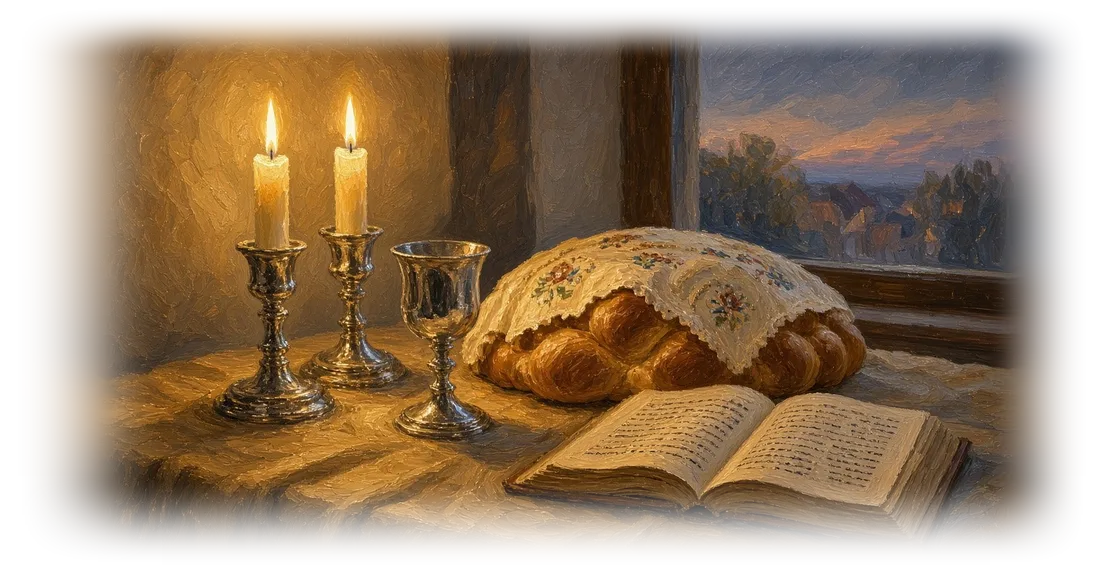

A Song for the Day of Shabbos
This lesson can be read on www.tebeka.com. Printing is for signed-in users only. © Rabbi Haim Tebeka.

In Lesson 11 we said the first five psalms of Shabbos morning. Here we finish them, in the order of our siddur: Tehillim 98, “Sing to Hashem a new song”; four songs of ascents, 121, 122, 123 and 124; 135 and 136, the Great Hallel; and the old hymn HaAderes v’HaEmunah. Then comes Baruch She’amar (Lesson 10), and after it the two psalms the Levites sang in the Beis HaMikdash: 92, “A psalm, a song for the day of Shabbos”, and 93, “Hashem reigns”. For each one I tell its story from the Mishnah, the Gemara, the Midrash and Rashi, and why it belongs to Shabbos; for Tehillim 92 the Alter Rebbe explains its two words for song. The whole text is printed with my own translation, and the key words are taken apart. The new grammar (§G53 to §G55) is “your” said to a woman, the condition “had it not been … then”, and the written and the read word. How to say them in practice is a question for your rav.
Where we are in the siddur
In Lesson 11 we said the first five Shabbos psalms, 19, 33, 34, 90 and 91, on pages 150 to 154 of our siddur, Tehillat Hashem. This lesson finishes the journey. I opened the printed siddur and followed it page by page. On page 154 come Tehillim 98, “Sing to Hashem a new song”, and 121, “I lift my eyes to the mountains”. On page 155 come 122, 123 and 124, so that we say four Shir HaMa’alos in a row, and then 135. On pages 156 and 157 comes 136, Hodu, with its twenty-six “for His kindness is forever”. And on page 157, before Baruch She’amar, stands the hymn הָאַדֶּרֶת וְהָאֱמוּנָה, HaAderes v’HaEmunah.
Then Baruch She’amar, the blessing that opens Pesukei D’zimrah (Lesson 10). Only after it, on page 158, comes מִזְמוֹר שִׁיר לְיוֹם הַשַּׁבָּת, Tehillim 92, and on page 159 Tehillim 93, Hashem molach. This is the order the Arizal teaches in Pri Etz Chaim (Shaar HaShabbos 19): after Hodu (136), “from here one goes back and says Baruch She’amar, Mizmor shir l’yom haShabbos.” So the psalm of the day of Shabbos is the first song we say after the blessing.
ומכאן חוזר ואומר ב"ש, מזמור שיר ליום השבת
Pri Etz Chaim, Shaar HaShabbos, ch. 19 · Hebrew text via Sefaria; quoted as printed, unvoweled · sefaria.org/Pri_Etz_Chaim,_Gate_of_the_Sabbath.19
Fifteen steps, and the songs of the Levites
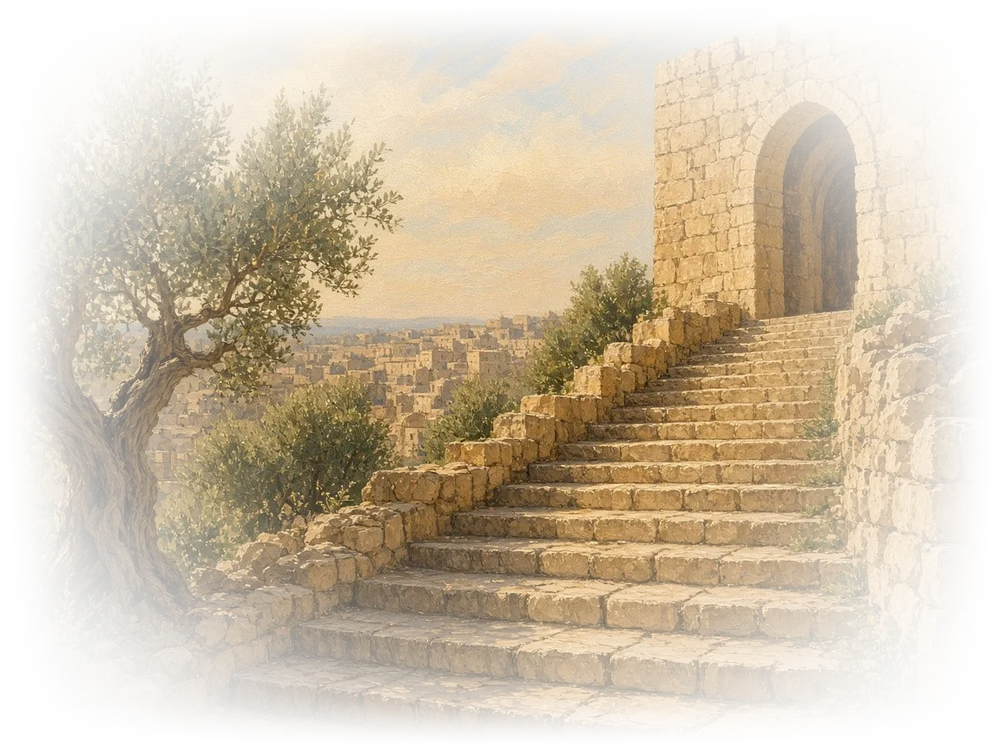
Four of our psalms open with the words Shir HaMa’alos, “a song of the ascents”. There are fifteen such psalms in Tehillim, 120 to 134. Rashi explains the name on the first of them (120:1): “fifteen steps going down from the Court of Israel to the Women’s Court”, and on them the Levites stood and sang these fifteen songs. The Mishnah (Middos 2:5) describes the same steps: fifteen steps go up from the Women’s Court to the Court of Israel, “corresponding to the fifteen ascents in Tehillim, on which the Levites say the song.” And the Gemara (Sukkah 51b) tells that on the night of Simchas Beis HaSho’evah the Levites stood on those steps with their instruments, “on which the Levites stand with instruments of song and say song.”
The Levites also had a song for each day of the week. The Mishnah at the end of Tamid (7:4) lists them: on Friday they said Tehillim 93, Hashem molach; and on Shabbos they said Tehillim 92, “a psalm, a song for the time to come, for the day that is entirely Shabbos and rest for eternal life.” So the last two psalms of this lesson are the songs of the Levites for Friday and for Shabbos.
חֲמֵשׁ עֶשְׂרֵה מַעֲלוֹת הַיּוֹרְדוֹת מֵעֶזְרַת יִשְׂרָאֵל עַד עֶזְרַת נָשִׁיםכְּנֶגֶד חֲמֵשׁ עֶשְׂרֵה מַעֲלוֹת שֶׁבַּתְּהִלִּים, שֶׁעֲלֵיהֶן הַלְוִיִּם אוֹמְרִים בַּשִּׁירשֶׁעֲלֵיהֶן לְוִיִּם עוֹמְדִין בִּכְלֵי שִׁיר וְאוֹמְרִים שִׁירָהמִזְמוֹר שִׁיר לֶעָתִיד לָבֹא, לְיוֹם שֶׁכֻּלּוֹ שַׁבָּת מְנוּחָה לְחַיֵּי הָעוֹלָמִים
Mishnah, Middos 2:5 · Hebrew text via Sefaria; quoted · sefaria.org/Mishnah_Middot.2.5
Talmud, Sukkah 51b · Gemara text via Sefaria; quoted · sefaria.org/Sukkah.51b
Mishnah, Tamid 7:4 · Hebrew text via Sefaria; quoted · sefaria.org/Mishnah_Tamid.7.4
Tehillim 98: a new song
The psalm calls on everything to sing: the people with lyre and trumpet and shofar, then the sea and all that fills it, the rivers that “clap hands” and the mountains that sing together, “before Hashem, for He is coming to judge the earth.” Rashi on the first verse: “all these are for the time to come.” A “new song” is a song for a world that is new, at the redemption. When rivers clap their hands, Rashi explains, the prophets speak in a way the ear can take in; it is “nothing but an expression of joy and gladness.”
Why on Shabbos? The Arizal (Pri Etz Chaim 19) connects this psalm to the cows that brought back the Aron, the Ark, from the land of the Plishtim, and walked “straight on the way” (Shmuel I 6:12): “our Sages said, this teaches that the cows were singing”, and they sang “Sing to Hashem a new song.” Even animals, carrying the holiness of the Aron, sang. On Shabbos, which is a taste of the time to come, we sing that new song with them.
כָּל אֵלֶּה לֶעָתִידאֶלָּא לְשׁוֹן שִׂמְחָה וְחֶדְוָהאמרו רז"ל מלמד שהיו הפרות משוררות
Rashi on Tehillim 98 · Hebrew text via Sefaria; quoted · sefaria.org/Rashi_on_Psalms.98
Pri Etz Chaim, Shaar HaShabbos, ch. 19 · Hebrew text via Sefaria; quoted as printed, unvoweled · sefaria.org/Pri_Etz_Chaim,_Gate_of_the_Sabbath.19
Tehillim 121: “From where will my help come?”
Of the fifteen songs of ascents, this one alone is called שִׁיר לַמַּעֲלוֹת, “a song for the ascents”, with a lamed. Rashi brings the Sifrei (as cited by him): it is not written here “a song of ascents” but “a song for ascents: a song for the One Who will make ascents for the righteous in the time to come.”
“I lift my eyes to the mountains: from where will my help come?” And the next verse answers: “My help is from Hashem, Maker of heaven and earth.” Then the word “guard” comes again and again: He will not let your foot slip, your Guardian will not slumber; the Guardian of Israel neither slumbers nor sleeps; Hashem is your Guardian, your shade at your right hand.
Why on Shabbos? The Arizal counts: “in this praise there are six times ‘guarding’.” I counted them in our text: שֹׁמְרֶךָ in verse 3, שֹׁמֵר in verse 4, שֹׁמְרֶךָ in verse 5, יִשְׁמָרְךָ and יִשְׁמֹר in verse 7, and יִשְׁמָר in verse 8. Six, like the six days of the week; and on Shabbos, he says, the blessings flow from above, and through them we are guarded from all evil. The rest of his words belong to the study of Kabbalah.
שִׁיר לְמִי שֶׁעָתִיד לַעֲשׂוֹת מַעֲלוֹת לַצַּדִּיקִים לֶעָתִיד לָבֹאויש בזה השבח ו' פעמים שמירה
Rashi on Tehillim 121 · Hebrew text via Sefaria; quoted · sefaria.org/Rashi_on_Psalms.121
Sifrei · as cited by Rashi; not opened
Pri Etz Chaim, Shaar HaShabbos, ch. 19 · Hebrew text via Sefaria; quoted as printed, unvoweled · sefaria.org/Pri_Etz_Chaim,_Gate_of_the_Sabbath.19

Tehillim 122: “Let us go to the House of Hashem”
“I rejoiced when they said to me: Let us go to the House of Hashem.” The Gemara (Makkos 10a) tells what David heard. People would pass by and say: “When will this old man die, so that Shlomo his son will come and build the Beis HaBechirah, and we will go up on the festival?” And David rejoiced. Hashem said to him: “Better to Me is one day that you are busy with Torah before Me than a thousand offerings that Shlomo your son will one day offer before Me on the altar.” And on the next verse, “our feet were standing in your gates, Yerushalayim”, the Gemara asks: “Who caused our feet to stand firm in war? The gates of Yerushalayim, where they were busy with Torah.”
Then David speaks to the city itself, and calls it “you”, in the feminine: in your gates, those who love you, peace in your walls, I will speak of peace in you (§G53). Rashi on verse 6: “Ask for the peace of Yerushalayim, and say to her: May those who love you be at peace.” And on verse 8: “I, David the king, say: peace be in you.”
מָתַי יָמוּת זָקֵן זֶה, וְיָבֹא שְׁלֹמֹה בְּנוֹ וְיִבְנֶה בֵּית הַבְּחִירָה וְנַעֲלֶה לָרֶגֶלטוֹב לִי יוֹם אֶחָד שֶׁאַתָּה עוֹסֵק בַּתּוֹרָה לְפָנַי, מֵאֶלֶף עוֹלוֹת שֶׁעָתִיד שְׁלֹמֹה בִּנְךָ לְהַקְרִיב לְפָנַי עַל גַּבֵּי הַמִּזְבֵּחַמִי גָּרַם לְרַגְלֵינוּ שֶׁיַּעַמְדוּ בַּמִּלְחָמָה – שַׁעֲרֵי יְרוּשָׁלַםִ, שֶׁהָיוּ עוֹסְקִים בַּתּוֹרָה
Talmud, Makkos 10a · Gemara text via Sefaria; quoted · sefaria.org/Makkot.10a
Rashi on Tehillim 122 · Hebrew text via Sefaria; quoted · sefaria.org/Rashi_on_Psalms.122
Tehillim 123 and 124: eyes that look up, and “Had it not been Hashem”
Tehillim 123 is four short verses. “To You I lift my eyes, You Who dwell in heaven.” We look to Hashem “as the eyes of servants to the hand of their masters”, until He is gracious to us; “for we have had more than enough of contempt.” On the word הַיֹּשְׁבִי, “You Who dwell”, Rashi notes an “extra yud” at the end, a poetic ending. In the last verse our siddur reads two words, לִגְאֵי יוֹנִים, where the written text of Tehillim has one; Rashi says: “written as one, and we read it as two” (§G55).
Tehillim 124 is a song of thanks for a rescue: “Had it not been Hashem Who was with us, let Israel now say.” Had it not been Him, the waters would have swept us away, “then” and “then” again, three times אֲזַי (§G54). “Our soul escaped like a bird from the snare of the trappers; the snare broke, and we escaped.”
Why on Shabbos? The Arizal writes: “David the king, peace be upon him, said it about the future redemption”; then Israel will say, “Had it not been Hashem…”. And he explains why it belongs here: “because Shabbos is a likeness of the World to Come, a world that is entirely Shabbos.”
יוֹ״ד יְתֵירָהכְּתִיב חַד וְקָרִינָן תְּרֵיןדוד המלך ע"ה אמר על הגאולה העתידהולפי שבשבת דוגמת עולם הבא, עולם שכולו שבת
Chabad.org: Tehillim, chapter 124 (Judaica Press) · Hebrew text; checked word by word against Siddur Tehillat Hashem, p. 155, Nov 3, 2026; translation my own · chabad.org/…/aid/16345
Rashi on Tehillim 123 · Hebrew text via Sefaria; quoted · sefaria.org/Rashi_on_Psalms.123
Pri Etz Chaim, Shaar HaShabbos, ch. 19 · Hebrew text via Sefaria; quoted as printed, unvoweled · sefaria.org/Pri_Etz_Chaim,_Gate_of_the_Sabbath.19
Tehillim 135 and 136: the Great Hallel
Tehillim 135 begins and ends with Halleluyah. It praises Hashem Who chose Yaakov “as His treasure”, Who does all He wishes in heaven and on earth, Who struck the firstborn of Egypt and gave the land of Sichon and Og to Israel as an inheritance; and it laughs at the idols, which have a mouth and do not speak.
Tehillim 136, Hodu, is called in the Gemara (Pesachim 118a) הַלֵּל הַגָּדוֹל, “the Great Hallel”. We say it at the Seder, after the regular Hallel: “the fourth cup, one completes the Hallel over it and says the Great Hallel.” Why is it called great? Rabbi Yochanan: “because the Holy One, blessed be He, sits in the heights of the world and gives out food to every creature” (verse 25, “He gives bread to all flesh”). And the Gemara adds: “a person’s food is as hard as the splitting of the Sea of Reeds”, and it reads “He gives bread to all flesh” (verse 25) together with “Who split the Sea of Reeds into parts” (verse 13). Where exactly the Great Hallel begins, the Gemara brings three opinions; in one of them it includes the end of Tehillim 135, from “for Hashem chose Yaakov for Himself”.
Twenty-six times. Each verse ends with כִּי לְעוֹלָם חַסְדּוֹ, “for His kindness is forever.” Rabbi Yehoshua ben Levi says in the Gemara that the twenty-six refrains stand “corresponding to the twenty-six generations that the Holy One, blessed be He, created in His world and did not give them Torah, and He fed them in His kindness.” Rashi says the same on verse 25. The Arizal adds: “it has twenty-six verses, corresponding to Havayah”, the Name of Hashem whose four letters add up to twenty-six (§G45). Rashi also explains verse 13, “Who split the Sea of Reeds into parts”: “twelve tears, for twelve tribes.”
רְבִיעִי גּוֹמֵר עָלָיו אֶת הַהַלֵּל, וְאוֹמֵר הַלֵּל הַגָּדוֹלמִפְּנֵי שֶׁהַקָּדוֹשׁ בָּרוּךְ הוּא יוֹשֵׁב בְּרוּמוֹ שֶׁל עוֹלָם וּמְחַלֵּק מְזוֹנוֹת לְכׇל בְּרִיָּהקָשִׁין מְזוֹנוֹתָיו שֶׁל אָדָם כִּקְרִיעַת יַם סוּףכְּנֶגֶד עֶשְׂרִים וְשִׁשָּׁה דּוֹרוֹת שֶׁבָּרָא הַקָּדוֹשׁ בָּרוּךְ הוּא בְּעוֹלָמוֹ וְלֹא נָתַן לָהֶם תּוֹרָה, וְזָן אוֹתָם בְּחַסְדּוֹיש בו כ"ו פסוקים נגד הויהשְׁנֵים עָשָׂר קְרָעִים לִשְׁנֵים עָשָׂר שְׁבָטִים
Chabad.org: Tehillim, chapter 136 (Judaica Press) · Hebrew text; checked word by word against Siddur Tehillat Hashem, p. 156-157, Nov 3, 2026; translation my own · chabad.org/…/aid/16357
Talmud, Pesachim 118a · Gemara text via Sefaria; quoted · sefaria.org/Pesachim.118a
Rashi on Tehillim 136 · Hebrew text via Sefaria; quoted · sefaria.org/Rashi_on_Psalms.136
Pri Etz Chaim, Shaar HaShabbos, ch. 19 · Hebrew text via Sefaria; quoted as printed, unvoweled · sefaria.org/Pri_Etz_Chaim,_Gate_of_the_Sabbath.19
HaAderes v’HaEmunah: a hymn of the heavenly palaces
At the end of page 157, our siddur prints a hymn of twenty-two lines. Each line names two qualities beginning with the same letter, in aleph-beis order, and ends לְחַי עוֹלָמִים, “belong to the One Who lives forever”: majesty and faithfulness, understanding and blessing, and so on to praise and glory.
It is very old. I found it in Heichalos Rabbasi (28), one of the ancient books of the “palaces” of heaven, in a slightly different wording: it begins הָאַדֶּרֶת וְהָאֱמוּנָה לְחַי הָעוֹלָמִים, and some of its words differ from our siddur. The text in our lesson is the one printed in our siddur.
The Rebbe’s French song. Every Chabad child knows HaAderes v’HaEmunah with a tune. Chabad.org tells the story (Mordechai Lightstone, “The Rebbe’s French Revolution”). On the night of Simchas Torah 5734, October 19, 1973, in 770, in a Hakhel year, less than two weeks after Israel was attacked on Yom Kippur, the Rebbe opened his siddur and began to sing an unfamiliar tune. A French student cried out that it was La Marseillaise, the French national anthem. The Rebbe had put on it the words of HaAderes v’HaEmunah, “an alphabetical acrostic poem popularly sung during Simchat Torah dancing.” That night he honored the young Rabbi Shmuel “Moulé” Azimov, his emissary to Paris since 1968, with carrying the “Sefer Torah to Greet Moshiach”, and some sixty young French guests danced with him.
There was a precedent. The Alter Rebbe heard the march of Napoleon’s armies and said: “This is a song of victory!” It became Napoleon’s March, sung at the end of Yom Kippur. At the Shabbos farbrengen after Simchas Torah, the Rebbe explained (Torat Menachem, vol. 74, p. 171, as cited): “My intent was not that someone sitting in Brooklyn should learn a new song,” “but rather those Jews from France should march with it victoriously to greet Moshiach.” And in 1991 he said: “This song has been completely transformed into something holy” (Sefer HaSichos 5752, pp. 183-184, as cited).
האדרת והאמונה לחי העולמים
Heichalos Rabbasi 28 · Hebrew text via Sefaria; quoted as printed, unvoweled · sefaria.org/Heikhalot_Rabbati.28
Chabad.org: Mordechai Lightstone, “The Rebbe’s French Revolution” (Oct. 3, 2023) · English quoted and paraphrased · chabad.org/…/aid/6100450
Torat Menachem, vol. 74, p. 171; Sefer HaSichos 5752, pp. 183-184 · as cited in the Chabad.org article; not opened
Tehillim 92: the song of the day of Shabbos
The Levites’ song. This is the psalm the Levites sang in the Beis HaMikdash every Shabbos (Mishnah Tamid 7:4). The Mishnah reads its title in a deeper way: “a psalm, a song for the time to come, for the day that is entirely Shabbos and rest for eternal life.” In the Gemara (Rosh Hashanah 31a), Rabbi Akiva explains the songs of the days by the days of creation, and on the seventh he gives the same reading: “for the day that is entirely Shabbos”; Rabbi Nechemiah says: “on the seventh, because He rested.” Rashi too: “for the day of Shabbos: that we say it on Shabbos, and it speaks of the World to Come, which is entirely Shabbos.”
Adam’s song. Bereishis Rabbah (22:13) tells that Adam met Kayin after his punishment and asked him what had become of his judgment. Kayin answered: “I did teshuvah, and it was eased.” Adam struck his face and said: “So great is the power of teshuvah, and I did not know!” At once he stood and said: “A psalm, a song for the day of Shabbos… It is good to thank Hashem.” Midrash Tehillim reads טוֹב לְהוֹדוֹת as “good to confess”: Adam said it “so that all the generations will learn that whoever confesses his sins and leaves them is saved.” And Rabbi Levi adds: “Adam said this psalm, and it was forgotten in his generation; and Moshe came and renewed it in his own name.”
Doubled. Midrash Tehillim notes: “everything about Shabbos is doubled”: the double portion of manna, its offering, its punishment, its reward, and also “its psalm is doubled: mizmor shir l’yom haShabbos”, two words for song. The Chassidic insight below explains that pair.
Morning and night. “To tell Your kindness in the morning, and Your faithfulness in the nights.” Rashi: in the morning, “at the time of redemption”; and in the nights, “while still in the trouble of exile, to believe in You” that You will keep Your promise.
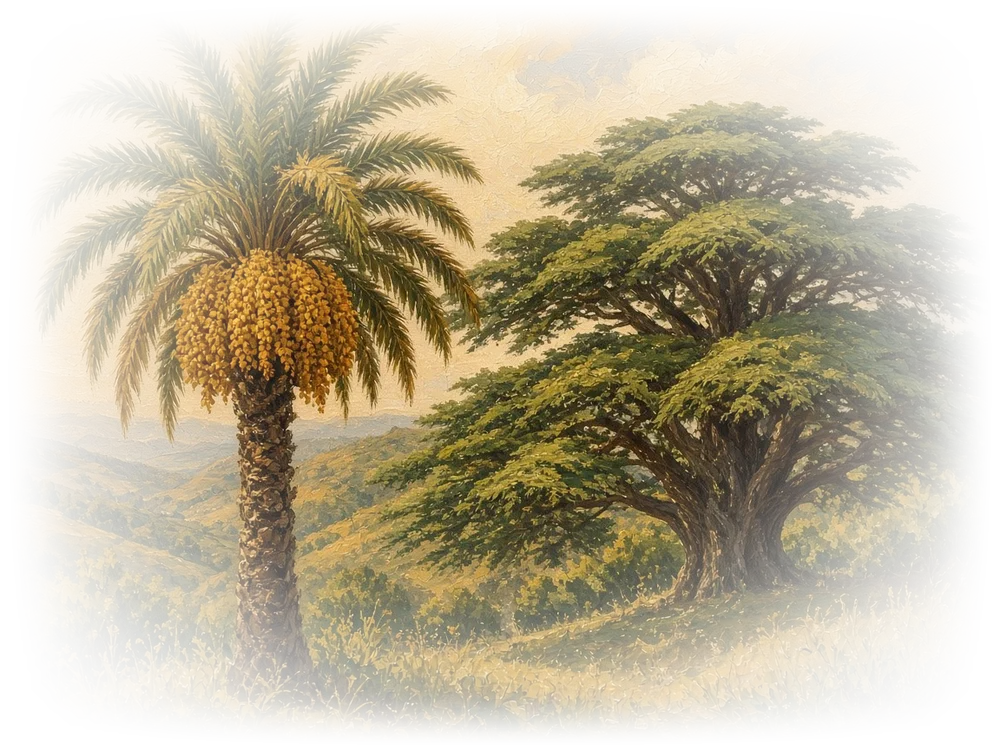
The palm and the cedar. “The righteous one will flourish like a palm tree; like a cedar in the Levanon he will grow tall.” Why both? Rashi: “like a palm, to bear fruit; and like a cedar in the Levanon, to renew its trunk.” A cedar that is cut down grows again from its root. The righteous one bears fruit, and even after a fall he grows again.
מִזְמוֹר שִׁיר לֶעָתִיד לָבֹא, לְיוֹם שֶׁכֻּלּוֹ שַׁבָּת מְנוּחָה לְחַיֵּי הָעוֹלָמִיםבַּשְּׁבִיעִי — עַל שֵׁם שֶׁשָּׁבַתשֶׁאוֹמְרִים אוֹתוֹ בְּשַׁבָּתוֹת, וְהוּא מְדַבֵּר בְּעִנְיַן הָעוֹלָם הַבָּא שֶׁכֻּלּוֹ שַׁבָּתכָּךְ הִיא כֹּחָהּ שֶׁל תְּשׁוּבָה וַאֲנִי לֹא הָיִיתִי יוֹדֵעַשכל מי שמודה על פשעים ועוזב ניצל מדינה של גהינםהַמִּזְמוֹר הַזֶּה אָדָם הָרִאשׁוֹן אֲמָרוֹ וְנִשְׁתַּכַּח מִדּוֹרוֹ וּבָא משֶׁה וְחִדְּשׁוֹ עַל שְׁמוֹכל עיסקא דשבתא כפולמזמורו כפול מזמור שיר ליום השבתוּבְעוֹד צָרַת הַגָּלוּת לְהַאֲמִין בְּךָכַּתָּמָר – לַעֲשׂוֹת פֵּרוֹת, וּכְאֶרֶז בַּלְּבָנוֹן – לְהַחֲלִיף גִּזְעוֹ
Mishnah, Tamid 7:4 · Hebrew text via Sefaria; quoted · sefaria.org/Mishnah_Tamid.7.4
Talmud, Rosh Hashanah 31a · Gemara text via Sefaria; quoted · sefaria.org/Rosh_Hashanah.31a
Rashi on Tehillim 92 · Hebrew text via Sefaria; quoted · sefaria.org/Rashi_on_Psalms.92
Bereishis Rabbah 22:13 · Hebrew text via Sefaria; quoted · sefaria.org/Bereishit_Rabbah.22.13
Midrash Tehillim 92 · Hebrew text via Sefaria; quoted as printed, unvoweled · sefaria.org/Midrash_Tehillim.92
Mizmor shir: the song of the instrument rises into the song of the soul
Why does the psalm of Shabbos open with two words for song, מִזְמוֹר שִׁיר? The Midrash said: everything about Shabbos is doubled. The Alter Rebbe, in Likkutei Torah, in the discourse that begins מִזְמוֹר שִׁיר חֲנֻכַּת הַבַּיִת (V’Zos HaBerachah, 98c-d), explains what each word is. I translate from the Hebrew:
Now, mizmor shir is a doubled expression. But there is a difference between mizmor and shir: zemer, a melody, is what one plays on an instrument, the harp and the lyre… And shir is in the mouth: the voice that comes out of the mouth, not clothed in an instrument.
Mizmor is the song of the angels… Shir is the song of the souls in Gan Eden… in true self-nullification, like the nullification of a candle before a torch.
Therefore when it says mizmor shir, it is the ascent of the mizmor, to be included in the shir and to join with it… And so too: mizmor shir l’yom haShabbos.
— The Alter Rebbe, Likkutei Torah, V’Zos HaBerachah 98c-d (my translation)
Midrash Tehillim 92 · Hebrew text via Sefaria; quoted as printed, unvoweled · sefaria.org/Midrash_Tehillim.92
What the Alter Rebbe adds, and what I take from it
Two kinds of song. The angels’ song is loud: the Alter Rebbe says that even their self-nullification is felt “with a great voice and noise, all because of the vessel”, for they are clothed in a kind of body. The soul’s song is quiet and true, like a small flame that disappears into a great torch. Mizmor shir means that the lower song climbs into the higher one; shir mizmor, he says, is the reverse, when the higher song comes down to join the lower. And on mizmor shir l’yom haShabbos he brings the Mikdash Melech, a commentary on the Zohar, who explains it with the Mishnah at the end of Tamid: “for the day that is entirely Shabbos.”
Friday night: the work goes up. In Torah Or (Yisro, 73b-c) the Alter Rebbe says the same about Shabbos itself: “the Shabbos of Friday night is a state of ascent, and this is the matter of mizmor shir l’yom haShabbos”, while “the Shabbos of the day is a state of drawing down.” He gives a parable. A man of great mind lowers and narrows his mind into a piece of work, a drawing or a piece of writing. When he finishes his work and rests, his mind returns to its source; and afterward he looks again, with his great mind, at all that he made. The night of Shabbos is the rest and the return upward; the day is the second look, that brings the light down. So, he says, at night we sing Azamer bish’vachin, and by day Asader lis’udasa. I note honestly: Torah Or links mizmor shir to Friday night, where we say it in Kabbalas Shabbos; in the morning we say it a second time, here, after Baruch She’amar.
And in the end. Now, he writes, there are ascents and descents; but in the time to come, at the resurrection, “there will be a day that is entirely Shabbos and rest for eternal life, and there will no longer be ascents and descents.” These are the words of the Mishnah in Tamid, the very title the Levites sang.
From here on, my own thoughts. The week’s song goes up. All week our praise is a mizmor: it is played on instruments, through our hands, our work, our busy days, and it is loud. On Shabbos the instrument is put down, and the song that was in it goes up into shir, the quiet song of the soul. The psalm says it itself: כִּי שִׂמַּחְתַּנִי יְיָ בְּפָעֳלֶךָ, בְּמַעֲשֵׂי יָדֶיךָ אֲרַנֵּן, “You have made me glad, Hashem, with Your deeds; at the works of Your hands I sing for joy.” Like the man in the parable, we stop, and look at the work, and sing.
On Shabbos morning. When you say מִזְמוֹר שִׁיר, bring the week with you: the work, the noise, the effort. Not to leave it behind, but to let it rise and be included in the song of the soul, as a small candle is included in a great torch.
Torah Or, Yisro, the discourse להבין ביאור ענין האבות הן הן המרכבה (Kehot), 73b-c · Hebrew text via Sefaria (Torah Ohr, Yitro 9); quoted as printed, and translated by me · sefaria.org/Torah_Ohr,_Yitro.9
Mishnah, Tamid 7:4 · Hebrew text via Sefaria; quoted · sefaria.org/Mishnah_Tamid.7.4
Mikdash Melech (on mizmor shir) · as cited in Likkutei Torah; not opened
Tehillim 93: Hashem reigns
“Hashem reigns; He is clothed in majesty.” This was the Levites’ song for Friday (Mishnah Tamid 7:4), and Rabbi Akiva in the Gemara (Rosh Hashanah 31a) explains why: “because He finished His work and reigned over them.” On the sixth day the world was complete, and the King was crowned over all that He had made. So it follows the psalm of Shabbos in our siddur, here and in Kabbalas Shabbos.
Rashi on the first verse: “they will say it in the time to come”: Hashem’s kingship will be seen by all. “The rivers have raised their voice”, the waves of the sea crash and roar; but “more than the sound of many waters… mighty on high is Hashem.”
The psalm ends: “Your testimonies are very faithful; holiness befits Your House, Hashem, for length of days.” Our siddur reads נַאֲוָה, with a patach; Rashi too reads נַאֲוָה, and explains it as “a word meaning a dwelling (נָוֶה)”: holiness dwells in Your House. The siddur also prints, in small letters, the other reading נָאֲוָה, “befits”. I translated “befits”, and both meanings are true.
עַל שֵׁם שֶׁגָּמַר מְלַאכְתּוֹ וּמָלַךְ עֲלֵיהֶןיֹאמְרוּ לֶעָתִידלְשׁוֹן נָוֶה
Mishnah, Tamid 7:4 · Hebrew text via Sefaria; quoted · sefaria.org/Mishnah_Tamid.7.4
Talmud, Rosh Hashanah 31a · Gemara text via Sefaria; quoted · sefaria.org/Rosh_Hashanah.31a
Rashi on Tehillim 93 · Hebrew text via Sefaria; quoted · sefaria.org/Rashi_on_Psalms.93
How the text is printed here
All nine psalms are printed in full, verse by verse, with my own translation; the verse number begins each translation. As in Lesson 11, I took the Hebrew from Chabad.org’s Tehillim and checked every word against our printed siddur, Tehillat Hashem, pages 154 to 159; HaAderes v’HaEmunah I copied from page 157. I printed it the way the siddur prints it: Hashem’s Name written יְיָ, no hyphens between words, and the spellings of the siddur where they differ (I list them under each psalm). The order is the order of the siddur, with Baruch She’amar (Lesson 10) between HaAderes and Tehillim 92. The words that need transliteration are transliterated in the Word by Word section.
Chabad.org: Tehillim, chapter 98 (Judaica Press) · Hebrew text; checked word by word against Siddur Tehillat Hashem, p. 154, Nov 3, 2026; translation my own · chabad.org/…/aid/16319
Chabad.org: Tehillim, chapter 121 (Judaica Press) · Hebrew text; checked word by word against Siddur Tehillat Hashem, p. 154, Nov 3, 2026; translation my own · chabad.org/…/aid/16342
Chabad.org: Tehillim, chapter 122 (Judaica Press) · Hebrew text; checked word by word against Siddur Tehillat Hashem, p. 155, Nov 3, 2026; translation my own · chabad.org/…/aid/16343
Chabad.org: Tehillim, chapter 123 (Judaica Press) · Hebrew text; checked word by word against Siddur Tehillat Hashem, p. 155, Nov 3, 2026; translation my own · chabad.org/…/aid/16344
Chabad.org: Tehillim, chapter 124 (Judaica Press) · Hebrew text; checked word by word against Siddur Tehillat Hashem, p. 155, Nov 3, 2026; translation my own · chabad.org/…/aid/16345
Chabad.org: Tehillim, chapter 135 (Judaica Press) · Hebrew text; checked word by word against Siddur Tehillat Hashem, p. 155-156, Nov 3, 2026; translation my own · chabad.org/…/aid/16356
Chabad.org: Tehillim, chapter 136 (Judaica Press) · Hebrew text; checked word by word against Siddur Tehillat Hashem, p. 156-157, Nov 3, 2026; translation my own · chabad.org/…/aid/16357
Chabad.org: Tehillim, chapter 92 (Judaica Press) · Hebrew text; checked word by word against Siddur Tehillat Hashem, p. 158, Nov 3, 2026; translation my own · chabad.org/…/aid/16313
Chabad.org: Tehillim, chapter 93 (Judaica Press) · Hebrew text; checked word by word against Siddur Tehillat Hashem, p. 159, Nov 3, 2026; translation my own · chabad.org/…/aid/16314
1. Tehillim 98: “Sing to Hashem a new song”
| Hebrew | Meaning |
|---|---|
| מִזְמוֹר שִׁירוּ לַייָ שִׁיר חָדָשׁ כִּי נִפְלָאוֹת עָשָׂה הוֹשִׁיעָה לּוֹ יְמִינוֹ וּזְרוֹעַ קָדְשׁוֹ: | 1. A psalm. Sing to Hashem a new song, for He has done wonders; His right hand and His holy arm have brought Him victory. |
| הוֹדִיעַ יְיָ יְשׁוּעָתוֹ לְעֵינֵי הַגּוֹיִם גִּלָּה צִדְקָתוֹ: | 2. Hashem has made known His salvation; before the eyes of the nations He has revealed His righteousness. |
| זָכַר חַסְדּוֹ וֶאֱמוּנָתוֹ לְבֵית יִשְׂרָאֵל רָאוּ כָל אַפְסֵי אָרֶץ אֵת יְשׁוּעַת אֱלֹהֵינוּ: | 3. He has remembered His kindness and His faithfulness to the house of Israel; all the ends of the earth have seen the salvation of our G‑d. |
| הָרִיעוּ לַייָ כָּל הָאָרֶץ פִּצְחוּ וְרַנְּנוּ וְזַמֵּרוּ: | 4. Shout to Hashem, all the earth; break out, sing for joy, and make music. |
| זַמְּרוּ לַייָ בְּכִנּוֹר בְּכִנּוֹר וְקוֹל זִמְרָה: | 5. Make music to Hashem with the lyre, with the lyre and the sound of song. |
| בַּחֲצֹצְרוֹת וְקוֹל שׁוֹפָר הָרִיעוּ לִפְנֵי הַמֶּלֶךְ יְיָ: | 6. With trumpets and the sound of the shofar, shout before the King, Hashem. |
| יִרְעַם הַיָּם וּמְלוֹאוֹ תֵּבֵל וְיֹשְׁבֵי בָהּ: | 7. Let the sea roar, and all that fills it; the world, and those who dwell in it. |
| נְהָרוֹת יִמְחֲאוּ כָף יַחַד הָרִים יְרַנֵּנוּ: | 8. Let the rivers clap hands; let the mountains sing for joy together |
| לִפְנֵי יְיָ כִּי בָא לִשְׁפֹּט הָאָרֶץ יִשְׁפֹּט תֵּבֵל בְּצֶדֶק וְעַמִּים בְּמֵישָׁרִים: | 9. before Hashem, for He is coming to judge the earth; He will judge the world with righteousness, and the peoples with fairness. |
Siddur, p. 154. Our siddur spells וּמְלוֹאוֹ and וְיֹשְׁבֵי in verse 7.
Siddur Tehillat Hashem (Kehot), pp. 154-159 · the printed page, checked for the order of the psalms and each word
2. Tehillim 121: “A song for the ascents”
| Hebrew | Meaning |
|---|---|
| שִׁיר לַמַּעֲלוֹת אֶשָּׂא עֵינַי אֶל הֶהָרִים מֵאַיִן יָבוֹא עֶזְרִי: | 1. A song for the ascents. I lift my eyes to the mountains: from where will my help come? |
| עֶזְרִי מֵעִם יְיָ עֹשֵׂה שָׁמַיִם וָאָרֶץ: | 2. My help is from Hashem, Maker of heaven and earth. |
| אַל יִתֵּן לַמּוֹט רַגְלֶךָ אַל יָנוּם שֹׁמְרֶךָ: | 3. He will not let your foot slip; your Guardian will not slumber. |
| הִנֵּה לֹא יָנוּם וְלֹא יִישָׁן שֹׁמֵר יִשְׂרָאֵל: | 4. Behold, the Guardian of Israel neither slumbers nor sleeps. |
| יְיָ שֹׁמְרֶךָ יְיָ צִלְּךָ עַל יַד יְמִינֶךָ: | 5. Hashem is your Guardian; Hashem is your shade at your right hand. |
| יוֹמָם הַשֶּׁמֶשׁ לֹא יַכֶּכָּה וְיָרֵחַ בַּלָּיְלָה: | 6. By day the sun will not strike you, nor the moon by night. |
| יְיָ יִשְׁמָרְךָ מִכָּל רָע יִשְׁמֹר אֶת נַפְשֶׁךָ: | 7. Hashem will guard you from all evil; He will guard your soul. |
| יְיָ יִשְׁמָר צֵאתְךָ וּבוֹאֶךָ מֵעַתָּה וְעַד עוֹלָם: | 8. Hashem will guard your going out and your coming in, from now and forever. |
Siddur, p. 154. Our siddur spells יָבוֹא, with a vav, in verse 1, and שֹׁמֵר, without a vav, in verse 4. Six times “guard” (Pri Etz Chaim).
Siddur Tehillat Hashem (Kehot), pp. 154-159 · the printed page, checked for the order of the psalms and each word
3. Tehillim 122: “I rejoiced”
| Hebrew | Meaning |
|---|---|
| שִׁיר הַמַּעֲלוֹת לְדָוִד שָׂמַחְתִּי בְּאֹמְרִים לִי בֵּית יְיָ נֵלֵךְ: | 1. A song of ascents, of David. I rejoiced when they said to me: Let us go to the House of Hashem. |
| עֹמְדוֹת הָיוּ רַגְלֵינוּ בִּשְׁעָרַיִךְ יְרוּשָׁלִָם: | 2. Our feet were standing in your gates, Yerushalayim: |
| יְרוּשָׁלִַם הַבְּנוּיָה כְּעִיר שֶׁחֻבְּרָה לָּהּ יַחְדָּו: | 3. Yerushalayim that is built like a city joined together within itself, |
| שֶׁשָּׁם עָלוּ שְׁבָטִים שִׁבְטֵי יָהּ עֵדוּת לְיִשְׂרָאֵל לְהוֹדוֹת לְשֵׁם יְיָ: | 4. where the tribes went up, the tribes of Hashem, a testimony for Israel, to give thanks to the Name of Hashem. |
| כִּי שָׁמָּה יָשְׁבוּ כִסְאוֹת לְמִשְׁפָּט כִּסְאוֹת לְבֵית דָּוִד: | 5. For there stood thrones for judgment, the thrones of the house of David. |
| שַׁאֲלוּ שְׁלוֹם יְרוּשָׁלִָם יִשְׁלָיוּ אֹהֲבָיִךְ: | 6. Ask for the peace of Yerushalayim; may those who love you be at peace. |
| יְהִי שָׁלוֹם בְּחֵילֵךְ שַׁלְוָה בְּאַרְמְנוֹתָיִךְ: | 7. May there be peace within your walls, tranquility in your palaces. |
| לְמַעַן אַחַי וְרֵעָי אֲדַבְּרָה נָּא שָׁלוֹם בָּךְ: | 8. For the sake of my brothers and my friends, let me now speak: Peace be in you. |
| לְמַעַן בֵּית יְיָ אֱלֹהֵינוּ אֲבַקְשָׁה טוֹב לָךְ: | 9. For the sake of the House of Hashem our G‑d, let me seek good for you. |
Siddur, p. 155. Our siddur spells לְהוֹדוֹת, with a vav, in verse 4.
Siddur Tehillat Hashem (Kehot), pp. 154-159 · the printed page, checked for the order of the psalms and each word
4. Tehillim 123: “To You I lift my eyes”
| Hebrew | Meaning |
|---|---|
| שִׁיר הַמַּעֲלוֹת אֵלֶיךָ נָשָׂאתִי אֶת עֵינַי הַיֹּשְׁבִי בַּשָּׁמָיִם: | 1. A song of ascents. To You I lift my eyes, You Who dwell in heaven. |
| הִנֵּה כְעֵינֵי עֲבָדִים אֶל יַד אֲדוֹנֵיהֶם כְּעֵינֵי שִׁפְחָה אֶל יַד גְּבִרְתָּהּ כֵּן עֵינֵינוּ אֶל יְיָ אֱלֹהֵינוּ עַד שֶׁיְּחָנֵּנוּ: | 2. Behold, as the eyes of servants to the hand of their masters, as the eyes of a maid to the hand of her mistress, so are our eyes to Hashem our G‑d, until He is gracious to us. |
| חָנֵּנוּ יְיָ חָנֵּנוּ כִּי רַב שָׂבַעְנוּ בוּז: | 3. Be gracious to us, Hashem, be gracious to us, for we have had more than enough of contempt. |
| רַבַּת שָׂבְעָה לָּהּ נַפְשֵׁנוּ הַלַּעַג הַשַּׁאֲנַנִּים הַבּוּז לִגְאֵי יוֹנִים: | 4. Our soul has had more than enough of the mockery of those at ease, of the contempt of the proud oppressors. |
Siddur, p. 155. In verse 4 the siddur reads two words, לִגְאֵי יוֹנִים; the verse is written as one word, לִגְאֵיוֹנִים (§G55).
Siddur Tehillat Hashem (Kehot), pp. 154-159 · the printed page, checked for the order of the psalms and each word
5. Tehillim 124: “Had it not been Hashem”
| Hebrew | Meaning |
|---|---|
| שִׁיר הַמַּעֲלוֹת לְדָוִד לוּלֵי יְיָ שֶׁהָיָה לָנוּ יֹאמַר נָא יִשְׂרָאֵל: | 1. A song of ascents, of David. Had it not been Hashem Who was with us, let Israel now say, |
| לוּלֵי יְיָ שֶׁהָיָה לָנוּ בְּקוּם עָלֵינוּ אָדָם: | 2. had it not been Hashem Who was with us when men rose up against us, |
| אֲזַי חַיִּים בְּלָעוּנוּ בַּחֲרוֹת אַפָּם בָּנוּ: | 3. then they would have swallowed us alive, when their anger burned against us; |
| אֲזַי הַמַּיִם שְׁטָפוּנוּ נַחְלָה עָבַר עַל נַפְשֵׁנוּ: | 4. then the waters would have swept us away; the torrent would have passed over our soul; |
| אֲזַי עָבַר עַל נַפְשֵׁנוּ הַמַּיִם הַזֵּידוֹנִים: | 5. then the raging waters would have passed over our soul. |
| בָּרוּךְ יְיָ שֶׁלֹּא נְתָנָנוּ טֶרֶף לְשִׁנֵּיהֶם: | 6. Blessed is Hashem, Who did not give us as prey to their teeth. |
| נַפְשֵׁנוּ כְּצִפּוֹר נִמְלְטָה מִפַּח יוֹקְשִׁים הַפַּח נִשְׁבָּר וַאֲנַחְנוּ נִמְלָטְנוּ: | 7. Our soul escaped like a bird from the snare of the trappers; the snare broke, and we escaped. |
| עֶזְרֵנוּ בְּשֵׁם יְיָ עֹשֵׂה שָׁמַיִם וָאָרֶץ: | 8. Our help is in the Name of Hashem, Maker of heaven and earth. |
Siddur, p. 155. Three times אֲזַי, “then” (§G54).
Siddur Tehillat Hashem (Kehot), pp. 154-159 · the printed page, checked for the order of the psalms and each word
6. Tehillim 135: “Halleluyah, praise the Name of Hashem”
| Hebrew | Meaning |
|---|---|
| הַלְלוּיָהּ הַלְלוּ אֶת שֵׁם יְיָ הַלְלוּ עַבְדֵי יְיָ: | 1. Halleluyah. Praise the Name of Hashem; praise, you servants of Hashem, |
| שֶׁעֹמְדִים בְּבֵית יְיָ בְּחַצְרוֹת בֵּית אֱלֹהֵינוּ: | 2. who stand in the House of Hashem, in the courtyards of the House of our G‑d. |
| הַלְלוּיָהּ כִּי טוֹב יְיָ זַמְּרוּ לִשְׁמוֹ כִּי נָעִים: | 3. Halleluyah, for Hashem is good; sing to His Name, for it is pleasant. |
| כִּי יַעֲקֹב בָּחַר לוֹ יָהּ יִשְׂרָאֵל לִסְגֻלָּתוֹ: | 4. For Hashem chose Yaakov for Himself, Israel as His treasure. |
| כִּי אֲנִי יָדַעְתִּי כִּי גָדוֹל יְיָ וַאֲדֹנֵינוּ מִכָּל אֱלֹהִים: | 5. For I know that Hashem is great, and our Master is above all the powers. |
| כֹּל אֲשֶׁר חָפֵץ יְיָ עָשָׂה בַּשָּׁמַיִם וּבָאָרֶץ בַּיַּמִּים וְכָל תְּהֹמוֹת: | 6. Whatever Hashem wished He has done, in heaven and on earth, in the seas and in all the depths. |
| מַעֲלֶה נְשִׂאִים מִקְצֵה הָאָרֶץ בְּרָקִים לַמָּטָר עָשָׂה מוֹצֵא רוּחַ מֵאוֹצְרוֹתָיו: | 7. He raises clouds from the end of the earth; He makes lightning for the rain; He brings out the wind from His storehouses. |
| שֶׁהִכָּה בְּכוֹרֵי מִצְרָיִם מֵאָדָם עַד בְּהֵמָה: | 8. He struck the firstborn of Egypt, of man and of beast. |
| שָׁלַח אוֹתֹת וּמֹפְתִים בְּתוֹכֵכִי מִצְרָיִם בְּפַרְעֹה וּבְכָל עֲבָדָיו: | 9. He sent signs and wonders into your midst, Egypt, against Pharaoh and all his servants. |
| שֶׁהִכָּה גּוֹיִם רַבִּים וְהָרַג מְלָכִים עֲצוּמִים: | 10. He struck many nations, and slew mighty kings: |
| לְסִיחוֹן מֶלֶךְ הָאֱמֹרִי וּלְעוֹג מֶלֶךְ הַבָּשָׁן וּלְכֹל מַמְלְכוֹת כְּנָעַן: | 11. Sichon, king of the Emori, and Og, king of the Bashan, and all the kingdoms of Canaan; |
| וְנָתַן אַרְצָם נַחֲלָה נַחֲלָה לְיִשְׂרָאֵל עַמּוֹ: | 12. and He gave their land as an inheritance, an inheritance to Israel His people. |
| יְיָ שִׁמְךָ לְעוֹלָם יְיָ זִכְרְךָ לְדֹר וָדֹר: | 13. Hashem, Your Name is forever; Hashem, Your remembrance is for all generations. |
| כִּי יָדִין יְיָ עַמּוֹ וְעַל עֲבָדָיו יִתְנֶחָם: | 14. For Hashem will judge His people, and have compassion on His servants. |
| עֲצַבֵּי הַגּוֹיִם כֶּסֶף וְזָהָב מַעֲשֵׂה יְדֵי אָדָם: | 15. The idols of the nations are silver and gold, the work of human hands. |
| פֶּה לָהֶם וְלֹא יְדַבֵּרוּ עֵינַיִם לָהֶם וְלֹא יִרְאוּ: | 16. They have a mouth, but cannot speak; they have eyes, but cannot see. |
| אָזְנַיִם לָהֶם וְלֹא יַאֲזִינוּ אַף אֵין יֶשׁ רוּחַ בְּפִיהֶם: | 17. They have ears, but cannot hear; there is no breath in their mouth. |
| כְּמוֹהֶם יִהְיוּ עֹשֵׂיהֶם כֹּל אֲשֶׁר בֹּטֵחַ בָּהֶם: | 18. Those who make them will become like them, all who trust in them. |
| בֵּית יִשְׂרָאֵל בָּרְכוּ אֶת יְיָ בֵּית אַהֲרֹן בָּרְכוּ אֶת יְיָ: | 19. House of Israel, bless Hashem; house of Aharon, bless Hashem. |
| בֵּית הַלֵּוִי בָּרְכוּ אֶת יְיָ יִרְאֵי יְיָ בָּרְכוּ אֶת יְיָ: | 20. House of Levi, bless Hashem; you who fear Hashem, bless Hashem. |
| בָּרוּךְ יְיָ מִצִּיּוֹן שֹׁכֵן יְרוּשָׁלִָם הַלְלוּיָהּ: | 21. Blessed is Hashem from Tziyon, Who dwells in Yerushalayim. Halleluyah. |
Siddur, pp. 155-156.
Siddur Tehillat Hashem (Kehot), pp. 154-159 · the printed page, checked for the order of the psalms and each word
7. Tehillim 136: “Give thanks to Hashem” (verses 1-13)
| Hebrew | Meaning |
|---|---|
| הוֹדוּ לַייָ כִּי טוֹב כִּי לְעוֹלָם חַסְדּוֹ: | 1. Give thanks to Hashem, for He is good, for His kindness is forever. |
| הוֹדוּ לֵאלֹהֵי הָאֱלֹהִים כִּי לְעוֹלָם חַסְדּוֹ: | 2. Give thanks to the G‑d above all powers, for His kindness is forever. |
| הוֹדוּ לַאֲדֹנֵי הָאֲדֹנִים כִּי לְעוֹלָם חַסְדּוֹ: | 3. Give thanks to the Master of masters, for His kindness is forever. |
| לְעֹשֵׂה נִפְלָאוֹת גְּדֹלוֹת לְבַדּוֹ כִּי לְעוֹלָם חַסְדּוֹ: | 4. To Him Who alone does great wonders, for His kindness is forever. |
| לְעֹשֵׂה הַשָּׁמַיִם בִּתְבוּנָה כִּי לְעוֹלָם חַסְדּוֹ: | 5. To Him Who made the heavens with understanding, for His kindness is forever. |
| לְרוֹקַע הָאָרֶץ עַל הַמָּיִם כִּי לְעוֹלָם חַסְדּוֹ: | 6. To Him Who spread out the earth above the waters, for His kindness is forever. |
| לְעֹשֵׂה אוֹרִים גְּדֹלִים כִּי לְעוֹלָם חַסְדּוֹ: | 7. To Him Who made the great lights, for His kindness is forever. |
| אֶת הַשֶּׁמֶשׁ לְמֶמְשֶׁלֶת בַּיּוֹם כִּי לְעוֹלָם חַסְדּוֹ: | 8. the sun, to rule by day, for His kindness is forever. |
| אֶת הַיָּרֵחַ וְכוֹכָבִים לְמֶמְשְׁלוֹת בַּלָּיְלָה כִּי לְעוֹלָם חַסְדּוֹ: | 9. the moon and the stars, to rule by night, for His kindness is forever. |
| לְמַכֵּה מִצְרַיִם בִּבְכוֹרֵיהֶם כִּי לְעוֹלָם חַסְדּוֹ: | 10. To Him Who struck Egypt through their firstborn, for His kindness is forever. |
| וַיּוֹצֵא יִשְׂרָאֵל מִתּוֹכָם כִּי לְעוֹלָם חַסְדּוֹ: | 11. and brought Israel out from among them, for His kindness is forever. |
| בְּיָד חֲזָקָה וּבִזְרוֹעַ נְטוּיָה כִּי לְעוֹלָם חַסְדּוֹ: | 12. with a strong hand and an outstretched arm, for His kindness is forever. |
| לְגֹזֵר יַם סוּף לִגְזָרִים כִּי לְעוֹלָם חַסְדּוֹ: | 13. To Him Who split the Sea of Reeds into parts, for His kindness is forever. |
Siddur Tehillat Hashem (Kehot), pp. 154-159 · the printed page, checked for the order of the psalms and each word
Tehillim 136 (verses 14-26)
| Hebrew | Meaning |
|---|---|
| וְהֶעֱבִיר יִשְׂרָאֵל בְּתוֹכוֹ כִּי לְעוֹלָם חַסְדּוֹ: | 14. and led Israel through its midst, for His kindness is forever. |
| וְנִעֵר פַּרְעֹה וְחֵילוֹ בְיַם סוּף כִּי לְעוֹלָם חַסְדּוֹ: | 15. and cast Pharaoh and his army into the Sea of Reeds, for His kindness is forever. |
| לְמוֹלִיךְ עַמּוֹ בַּמִּדְבָּר כִּי לְעוֹלָם חַסְדּוֹ: | 16. To Him Who led His people through the wilderness, for His kindness is forever. |
| לְמַכֵּה מְלָכִים גְּדוֹלִים כִּי לְעוֹלָם חַסְדּוֹ: | 17. To Him Who struck great kings, for His kindness is forever. |
| וַיַּהֲרֹג מְלָכִים אַדִּירִים כִּי לְעוֹלָם חַסְדּוֹ: | 18. and slew mighty kings, for His kindness is forever. |
| לְסִיחוֹן מֶלֶךְ הָאֱמֹרִי כִּי לְעוֹלָם חַסְדּוֹ: | 19. Sichon, king of the Emori, for His kindness is forever. |
| וּלְעוֹג מֶלֶךְ הַבָּשָׁן כִּי לְעוֹלָם חַסְדּוֹ: | 20. and Og, king of the Bashan, for His kindness is forever. |
| וְנָתַן אַרְצָם לְנַחֲלָה כִּי לְעוֹלָם חַסְדּוֹ: | 21. and gave their land as an inheritance, for His kindness is forever. |
| נַחֲלָה לְיִשְׂרָאֵל עַבְדּוֹ כִּי לְעוֹלָם חַסְדּוֹ: | 22. an inheritance to Israel His servant, for His kindness is forever. |
| שֶׁבְּשִׁפְלֵנוּ זָכַר לָנוּ כִּי לְעוֹלָם חַסְדּוֹ: | 23. Who remembered us in our lowliness, for His kindness is forever. |
| וַיִּפְרְקֵנוּ מִצָּרֵינוּ כִּי לְעוֹלָם חַסְדּוֹ: | 24. and freed us from our oppressors, for His kindness is forever. |
| נֹתֵן לֶחֶם לְכָל בָּשָׂר כִּי לְעוֹלָם חַסְדּוֹ: | 25. He gives bread to all flesh, for His kindness is forever. |
| הוֹדוּ לְאֵל הַשָּׁמָיִם כִּי לְעוֹלָם חַסְדּוֹ: | 26. Give thanks to the G‑d of heaven, for His kindness is forever. |
Siddur, pp. 156-157. Our siddur spells לְרוֹקַע in verse 6 and גְּדוֹלִים in verse 17, both with a vav (in verse 7, גְּדֹלִים without one). Twenty-six verses, each ending כִּי לְעוֹלָם חַסְדּוֹ.
Siddur Tehillat Hashem (Kehot), pp. 154-159 · the printed page, checked for the order of the psalms and each word
8. HaAderes v’HaEmunah
| Hebrew | Meaning |
|---|---|
| הָאַדֶּרֶת וְהָאֱמוּנָה לְחַי עוֹלָמִים | 1. Majesty and faithfulness belong to the One Who lives forever. |
| הַבִּינָה וְהַבְּרָכָה לְחַי עוֹלָמִים | 2. understanding and blessing belong to the One Who lives forever. |
| הַגַּאֲוָה וְהַגְּדֻלָּה לְחַי עוֹלָמִים | 3. grandeur and greatness belong to the One Who lives forever. |
| הַדֵּעָה וְהַדִּבּוּר לְחַי עוֹלָמִים | 4. knowledge and speech belong to the One Who lives forever. |
| הַהוֹד וְהֶהָדָר לְחַי עוֹלָמִים | 5. glory and splendor belong to the One Who lives forever. |
| הַוַּעַד וְהַוָּתִיקוּת לְחַי עוֹלָמִים | 6. assembly and steadfastness belong to the One Who lives forever. |
| הַזִּיו וְהַזֹּהַר לְחַי עוֹלָמִים | 7. radiance and brilliance belong to the One Who lives forever. |
| הַחַיִל וְהַחֹסֶן לְחַי עוֹלָמִים | 8. might and strength belong to the One Who lives forever. |
| הַטֶּכֶס וְהַטֹּהַר לְחַי עוֹלָמִים | 9. order and purity belong to the One Who lives forever. |
| הַיִּחוּד וְהַיִּרְאָה לְחַי עוֹלָמִים | 10. oneness and awe belong to the One Who lives forever. |
| הַכֶּתֶר וְהַכָּבוֹד לְחַי עוֹלָמִים | 11. crown and honor belong to the One Who lives forever. |
| הַלֶּקַח וְהַלִּבּוּב לְחַי עוֹלָמִים | 12. teaching and heartfelt devotion belong to the One Who lives forever. |
| הַמְּלוּכָה וְהַמֶּמְשָׁלָה לְחַי עוֹלָמִים | 13. kingship and dominion belong to the One Who lives forever. |
| הַנּוֹי וְהַנֵּצַח לְחַי עוֹלָמִים | 14. beauty and eternity belong to the One Who lives forever. |
| הַסִּגּוּי וְהַשֶּׂגֶב לְחַי עוֹלָמִים | 15. exaltation and loftiness belong to the One Who lives forever. |
| הָעוֹז וְהָעֲנָוָה לְחַי עוֹלָמִים | 16. strength and humility belong to the One Who lives forever. |
| הַפְּדוּת וְהַפְּאֵר לְחַי עוֹלָמִים | 17. redemption and splendor belong to the One Who lives forever. |
| הַצְּבִי וְהַצֶּדֶק לְחַי עוֹלָמִים | 18. beauty and righteousness belong to the One Who lives forever. |
| הַקְּרִיאָה וְהַקְּדֻשָּׁה לְחַי עוֹלָמִים | 19. calling and holiness belong to the One Who lives forever. |
| הָרוֹן וְהָרוֹמְמוּת לְחַי עוֹלָמִים | 20. joyous song and exaltation belong to the One Who lives forever. |
| הַשִּׁיר וְהַשֶּׁבַח לְחַי עוֹלָמִים | 21. song and praise belong to the One Who lives forever. |
| הַתְּהִלָּה וְהַתִּפְאֶרֶת לְחַי עוֹלָמִים | 22. praise and glory belong to the One Who lives forever. |
Siddur, p. 157. Twenty-two lines in aleph-beis order: the first word of each line, after its הַ, begins with the letter, and so does its partner. In line 15 the letter samech is paired with שֶׂגֶב, spelled with a sin, which sounds the same.
Baruch She’amar
Here we stand and say Baruch She’amar (siddur, p. 158; Lesson 10), the blessing that opens Pesukei D’zimrah. Then come the last two psalms.
9. Tehillim 92: “A psalm, a song for the day of Shabbos”
| Hebrew | Meaning |
|---|---|
| מִזְמוֹר שִׁיר לְיוֹם הַשַּׁבָּת: | 1. A psalm, a song for the day of Shabbos. |
| טוֹב לְהוֹדוֹת לַייָ וּלְזַמֵּר לְשִׁמְךָ עֶלְיוֹן: | 2. It is good to thank Hashem, and to sing to Your Name, Most High; |
| לְהַגִּיד בַּבֹּקֶר חַסְדֶּךָ וֶאֱמוּנָתְךָ בַּלֵּילוֹת: | 3. to tell Your kindness in the morning, and Your faithfulness in the nights, |
| עֲלֵי עָשׂוֹר וַעֲלֵי נָבֶל עֲלֵי הִגָּיוֹן בְּכִנּוֹר: | 4. on a ten-stringed instrument and on the harp, with a melody on the lyre. |
| כִּי שִׂמַּחְתַּנִי יְיָ בְּפָעֳלֶךָ בְּמַעֲשֵׂי יָדֶיךָ אֲרַנֵּן: | 5. For You have made me glad, Hashem, with Your deeds; at the works of Your hands I sing for joy. |
| מַה גָּדְלוּ מַעֲשֶׂיךָ יְיָ מְאֹד עָמְקוּ מַחְשְׁבוֹתֶיךָ: | 6. How great are Your works, Hashem; Your thoughts are very deep. |
| אִישׁ בַּעַר לֹא יֵדָע וּכְסִיל לֹא יָבִין אֶת זֹאת: | 7. A boorish man does not know, and a fool does not understand this: |
| בִּפְרֹחַ רְשָׁעִים כְּמוֹ עֵשֶׂב וַיָּצִיצוּ כָּל פֹּעֲלֵי אָוֶן לְהִשָּׁמְדָם עֲדֵי עַד: | 8. when the wicked sprout like grass, and all evildoers blossom, it is so that they may be destroyed forever. |
| וְאַתָּה מָרוֹם לְעֹלָם יְיָ: | 9. But You, Hashem, are on high forever. |
| כִּי הִנֵּה אֹיְבֶיךָ יְיָ כִּי הִנֵּה אֹיְבֶיךָ יֹאבֵדוּ יִתְפָּרְדוּ כָּל פֹּעֲלֵי אָוֶן: | 10. For behold, Your enemies, Hashem, for behold, Your enemies will perish; all evildoers will be scattered. |
| וַתָּרֶם כִּרְאֵים קַרְנִי בַּלֹּתִי בְּשֶׁמֶן רַעֲנָן: | 11. You have raised my strength like that of a wild ox; I am anointed with fresh oil. |
| וַתַּבֵּט עֵינִי בְּשׁוּרָי בַּקָּמִים עָלַי מְרֵעִים תִּשְׁמַעְנָה אָזְנָי: | 12. My eye has seen those who watch for my downfall; of the evildoers who rise against me, my ears have heard. |
| צַדִּיק כַּתָּמָר יִפְרָח כְּאֶרֶז בַּלְּבָנוֹן יִשְׂגֶּה: | 13. The righteous one will flourish like a palm tree; like a cedar in the Levanon he will grow tall. |
| שְׁתוּלִים בְּבֵית יְיָ בְּחַצְרוֹת אֱלֹהֵינוּ יַפְרִיחוּ: | 14. Planted in the House of Hashem, in the courtyards of our G‑d they will flourish. |
| עוֹד יְנוּבוּן בְּשֵׂיבָה דְּשֵׁנִים וְרַעֲנַנִּים יִהְיוּ: | 15. They will still bear fruit in old age; they will be full of sap and fresh, |
| לְהַגִּיד כִּי יָשָׁר יְיָ צוּרִי וְלֹא עַוְלָתָה בּוֹ: | 16. to tell that Hashem is upright, my Rock, in Whom there is no wrong. |
Siddur, p. 158, after Baruch She’amar. Our siddur spells לְהוֹדוֹת in verse 2 and מַחְשְׁבוֹתֶיךָ in verse 6, with a vav. In verse 16 it reads עַוְלָתָה, with a small note that it is written עלתה (§G55).
Siddur Tehillat Hashem (Kehot), pp. 154-159 · the printed page, checked for the order of the psalms and each word
10. Tehillim 93: “Hashem reigns”
| Hebrew | Meaning |
|---|---|
| יְיָ מָלָךְ גֵּאוּת לָבֵשׁ לָבֵשׁ יְיָ עֹז הִתְאַזָּר אַף תִּכּוֹן תֵּבֵל בַּל תִּמּוֹט: | 1. Hashem reigns; He is clothed in majesty; Hashem is clothed, He has girded Himself with strength; the world, too, stands firm, it cannot be moved. |
| נָכוֹן כִּסְאֲךָ מֵאָז מֵעוֹלָם אָתָּה: | 2. Your throne stands firm from of old; You are from eternity. |
| נָשְׂאוּ נְהָרוֹת יְיָ נָשְׂאוּ נְהָרוֹת קוֹלָם יִשְׂאוּ נְהָרוֹת דָּכְיָם: | 3. The rivers have raised, Hashem, the rivers have raised their voice; the rivers raise their crashing waves. |
| מִקֹּלוֹת מַיִם רַבִּים אַדִּירִים מִשְׁבְּרֵי יָם אַדִּיר בַּמָּרוֹם יְיָ: | 4. More than the sound of many waters, the mighty breakers of the sea, mighty on high is Hashem. |
| עֵדֹתֶיךָ נֶאֶמְנוּ מְאֹד לְבֵיתְךָ נַאֲוָה קֹדֶשׁ יְיָ לְאֹרֶךְ יָמִים: | 5. Your testimonies are very faithful; holiness befits Your House, Hashem, for length of days. |
Siddur, p. 159. In verse 5 our siddur reads נַאֲוָה, with a patach, and prints the other reading נָאֲוָה in small letters.
Siddur Tehillat Hashem (Kehot), pp. 154-159 · the printed page, checked for the order of the psalms and each word
Tehillim 98: all the world sings
The psalm moves from the past, “He has done wonders”, to commands, “shout!”, and to wishes, “let the rivers clap”. Watch the endings, which tell who is meant.
מִזְמוֹר שִׁירוּ לַייָ שִׁיר חָדָשׁ כִּי נִפְלָאוֹת עָשָׂה הוֹשִׁיעָה לּוֹ יְמִינוֹ וּזְרוֹעַ קָדְשׁוֹ:הָרִיעוּ לַייָ כָּל הָאָרֶץ פִּצְחוּ וְרַנְּנוּ וְזַמֵּרוּ:נְהָרוֹת יִמְחֲאוּ כָף יַחַד הָרִים יְרַנֵּנוּ:
| נִפְלָאוֹת | = | ◌וֹת | + | פְלָא | + | נִ |
| nifla’os wonders | plural (f.) | be wondrous | nif’al |
| הוֹשִׁיעָה | = | ◌ה | + | וֹשִׁיעָ | + | ה |
| hoshi’oh brought victory | she (past) | save | hif’il |
| הָרִיעוּ | = | ◌וּ | + | רִיע | + | הָ |
| hori’u shout! | you all (command) | shout | hif’il |
| יִמְחֲאוּ | = | ◌וּ | + | מְחֲא | + | יִ |
| yimcha’u let them clap | they | clap | they (future) |
Tehillim 121: my help, your Guardian
The first two verses speak of “me”; from verse 3 on, someone speaks to “you”, ־ךָ, again and again (§G30).
שִׁיר לַמַּעֲלוֹת אֶשָּׂא עֵינַי אֶל הֶהָרִים מֵאַיִן יָבוֹא עֶזְרִי:עֶזְרִי מֵעִם יְיָ עֹשֵׂה שָׁמַיִם וָאָרֶץ:יְיָ שֹׁמְרֶךָ יְיָ צִלְּךָ עַל יַד יְמִינֶךָ:
| אֶשָּׂא | = | שָּׂא | + | אֶ |
| eso I lift | lift | I (future) |
| עֶזְרִי | = | ◌י | + | עֶזְרִ |
| ezri my help | my | help |
| יָנוּם | = | נוּם | + | יָ |
| yonum will slumber | slumber | he (future) |
| שֹׁמְרֶךָ | = | ◌ךָ | + | שֹׁמְרֶ |
| shom’recho your Guardian | your | guard |
Tehillim 122: speaking to the city
Here the ending for “your” changes: Yerushalayim is spoken to as a woman, with ־ַיִךְ or ־ֵךְ or ־ָךְ (§G53).
עֹמְדוֹת הָיוּ רַגְלֵינוּ בִּשְׁעָרַיִךְ יְרוּשָׁלִָם:שַׁאֲלוּ שְׁלוֹם יְרוּשָׁלִָם יִשְׁלָיוּ אֹהֲבָיִךְ:יְהִי שָׁלוֹם בְּחֵילֵךְ שַׁלְוָה בְּאַרְמְנוֹתָיִךְ:
| שָׂמַחְתִּי | = | ◌תִּי | + | שָׂמַחְ |
| somachti I rejoiced | I (past) | rejoice |
| בִּשְׁעָרַיִךְ | = | ◌יִךְ | + | שְׁעָרַ | + | בִּ |
| bish’orayich in your gates | your (f.) | gate | in, with |
| אֹהֲבָיִךְ | = | ◌יִךְ | + | אֹהֲבָ |
| ohavoyich those who love you | your (f.) | love |
| אֲבַקְשָׁה | = | ◌ה | + | בַקְשָׁ | + | אֲ |
| avakshoh let me seek | let me | seek | I (future) |
Tehillim 123 and 124: “us”, and “had it not been”
These two psalms are full of the ending ־נוּ: “us”, “our”, “we” (§G12). Psalm 124 is built on לוּלֵי and אֲזַי (§G54).
חָנֵּנוּ יְיָ חָנֵּנוּ כִּי רַב שָׂבַעְנוּ בוּז:לוּלֵי יְיָ שֶׁהָיָה לָנוּ בְּקוּם עָלֵינוּ אָדָם:אֲזַי חַיִּים בְּלָעוּנוּ בַּחֲרוֹת אַפָּם בָּנוּ:
| חָנֵּנוּ | = | ◌נוּ | + | חָנֵּ |
| chonenu be gracious to us | us, our | be gracious |
| שָׂבַעְנוּ | = | ◌נוּ | + | שָׂבַעְ |
| sovanu we have had our fill | we (past) | be full |
| לוּלֵי | = | לוּלֵי |
| lulei had it not been | had it not been |
| נִמְלָטְנוּ | = | ◌נוּ | + | מְלָטְ | + | נִ |
| nimlotnu we escaped | we (past) | escape | nif’al |
| עֶזְרֵנוּ | = | ◌נוּ | + | עֶזְרֵ |
| ezreinu our help | us, our | help |
Tehillim 135 and 136: the One Who does
Psalm 136 is a list of participles with לְ, “to the One Who…”: לְעֹשֵׂה “Who makes”, לְרוֹקַע “Who spread”, לְמַכֵּה “Who struck”, לְגֹזֵר “Who split”, and לְמוֹלִיךְ “Who led” (§G15).
כִּי יַעֲקֹב בָּחַר לוֹ יָהּ יִשְׂרָאֵל לִסְגֻלָּתוֹ:לְעֹשֵׂה נִפְלָאוֹת גְּדֹלוֹת לְבַדּוֹ כִּי לְעוֹלָם חַסְדּוֹ:לְגֹזֵר יַם סוּף לִגְזָרִים כִּי לְעוֹלָם חַסְדּוֹ:
| לִסְגֻלָּתוֹ | = | ◌וֹ | + | ◌ת | + | סְגֻלָּ | + | לִ |
| lis’gulloso as His treasure | His | -oh → -as | treasure | to, for |
| עֲצַבֵּי | = | ◌י | + | עֲצַבֵּ |
| atzabei the idols of | of (plural chain) | idol |
| לְעֹשֵׂה | = | עֹשֵׂה | + | לְ |
| l’oseih to Him Who makes | make | to, for |
| לְגֹזֵר | = | גֹזֵר | + | לְ |
| l’gozeir to Him Who split | cut, split | to, for |
| חַסְדּוֹ | = | ◌וֹ | + | חַסְדּ |
| chasdo His kindness | His | kindness |
Tehillim 92 and 93: the palm and the King
Psalm 92 opens with an infinitive, “good to thank”, and grows like a tree; Psalm 93 opens with a past, “Hashem reigns”, a kingship already in place.
טוֹב לְהוֹדוֹת לַייָ וּלְזַמֵּר לְשִׁמְךָ עֶלְיוֹן:צַדִּיק כַּתָּמָר יִפְרָח כְּאֶרֶז בַּלְּבָנוֹן יִשְׂגֶּה:יְיָ מָלָךְ גֵּאוּת לָבֵשׁ לָבֵשׁ יְיָ עֹז הִתְאַזָּר אַף תִּכּוֹן תֵּבֵל בַּל תִּמּוֹט:
| לְהוֹדוֹת | = | ◌וֹת | + | וֹד | + | ה | + | לְ |
| l’hodos to thank | infinitive | thank | hif’il | to, for |
| כַּתָּמָר | = | תָּמָר | + | כַּ |
| kasomor like a palm tree | palm tree | like |
| יִפְרָח | = | פְרָח | + | יִ |
| yifroch will flourish | blossom | he (future) |
| שְׁתוּלִים | = | ◌ים | + | שְׁתוּלִ |
| sh’sulim planted | plural | planted |
| מָלָךְ | = | מָלָךְ |
| molach reigns | reign |
| לָבֵשׁ | = | לָבֵשׁ |
| loveish is clothed | wear |
| נַאֲוָה | = | נַאֲוָה |
| na’avoh befits, dwells | befit, dwell |
- Lesson 1 §G2 · Hidden root letters: yud, vav and hei can change shape or drop; a dagesh can mark a merged letter
- Lesson 1 §G3 · One-letter prefixes: ve- and, be- in/with, le- to, mi- from, she- that: written joined to the next word
- Lesson 1 §G4 · Pronouns: standalone and attached: ani I, Ato You; endings -i my/me, -cho/-echo your, -einu our, -o/-ov his
- Lesson 1 §G5 · Nouns: masculine, feminine, plural: feminine -oh, which becomes -as/-os before an ending; plurals -im and -os; vowels shorten as the word grows
- Lesson 1 §G7 · Verb patterns (binyanim) and the hif’il: a root becomes a verb through a pattern; the hif’il means “cause to” and is marked by he- (past) or ma-/mo- (present)
- Lesson 1 §G8 · Present and past: who is speaking: the present (participle) changes for gender and number; the past adds person endings such as -ti I, -to you, -nu we
- Lesson 2 §G9 · The article: “the”: ha- plus a dagesh in the next letter; ho- before alef, ayin, reish; hidden inside be-, le-, ke-
- Lesson 2 §G10 · The construct chain: “X of Y”: two nouns side by side mean “X of Y”; the article goes on the second; feminine -oh becomes -as
- Lesson 2 §G11 · The pi’el: a doubled middle letter: the pi’el doubles the middle root letter with a dagesh; past ki-, present me-
- Lesson 2 §G12 · Endings on verbs: “us” or “we”?: an ending on a verb names the object; -onu “us” vs. -nu “we” are told apart by the vowels
- Lesson 2 §G13 · The passive participle: boruch: the pattern kotuv (kamatz, then u before the last letter) means “-ed”: boruch blessed
- Lesson 2 §G14 · The dual: pairs: things that come in pairs take -ayim (-oyim at a pause): yodayim hands
- Lesson 3 §G15 · The active participle: “the One Who does”: the kal present has o after the first root letter and ei under the second: pokei’ach, zokeif; it describes an action that goes on
- Lesson 3 §G17 · Words that work as nouns: “the blind”, “the One Who”: an adjective or participle can stand alone as a noun; with ha- in front, a participle means “the One Who …”
- Lesson 3 §G18 · “Me” and “my”: -ni and -i: on a verb, -ni means “me” (osani, “made me”); on a noun, -i means “my” (tzorki); on a plural or dual noun, -ai (einai, einoi at a pause)
- Lesson 4 §G20 · The future tense: a letter in front: the future puts a prefix letter before the root: e- (א) I, ti- (ת) you or she, yi- (י) he or it, ni- (נ) we; after אִם it means “if … were to”
- Lesson 4 §G21 · The nif’al: when the action is done to the subject: the nif’al is the passive of the simple verb: past and present with ni-/ne- (nivro, ne’emon); future with a dagesh in the first root letter (yisoseim, yiposei’ach)
- Lesson 4 §G23 · The infinitive: “to do”: the infinitive names the action itself and usually takes le-: la’asos to do, la’amod to stand, l’havchin to distinguish, l’hiskayeim to survive
- Lesson 4 §G25 · A word said twice: Hebrew can repeat a word to say “many, of every kind” (n’kovim n’kovim) or to make it stronger (m’od m’od, “very, very”)
- Lesson 6 §G30 · “May He bless you”: the future as a wish, with object endings: the future (§G20) also says “may…”: y’vorech’cho may He bless you; an ending after a future verb names the object: -cho you, -eim them
- Lesson 6 §G31 · Commands and requests: the imperative, and נָא: the command form is the future without its front letter: t’dabeir → dabeir speak!; a form that names the action can also command (omor); נָא makes a request: v’ha’arev no, please make sweet
- Lesson 9 §G44 · Hollow roots: when the middle root letter is a vav (אוֹר, מֵאִיר, טוּבוֹ): in roots like א־ו־ר (light) and ט־ו־ב (good) the middle ו is a vowel, not a full letter: or light, mei’ir gives light (hif’il, §G16), mo’or a luminary (מ in front, §G28), tov good, tuvo His goodness
- Lesson 9 §G45 · Letters that count: gematria: every Hebrew letter has a number: א–ט 1–9, י–צ 10–90, ק–ת 100–400; a word’s value is the sum of its letters: אוֹר = 207 = רָז (Zohar, as cited); אֶת הָאוֹר = 613 = בַּתּוֹרָה (Baal HaTurim)
- Lesson 10 §G48 · Roots that end in hei (עֹשֶׂה, פּוֹדֶה, הָיָה): when a root ends in ה, the participle ends in -eh (עֹשֶׂה oseh, פּוֹדֶה podeh), the past “he” ends in -oh (הָיָה hoyoh), and before an ending the ה drops (מַעֲשֶׂה → מַעֲשֵׂי)
- Lesson 11 §G50 · “Let me”, “let us”: the ending ־ָה on the future: an extra ־ָה (-oh) on a future “I” or “we” turns it into a wish or resolve: אֲבָרְכָה, “let me bless”; וּנְרוֹמְמָה, “and let us exalt”; on a command it adds warmth: שׁוּבָה, “please return”
In Lesson 6 we learned the ending ־ךָ, “you, your”, said to a man (§G30): שֹׁמְרֶךָ, “your Guardian”, רַגְלֶךָ, “your foot” (Tehillim 121). Hebrew has a different ending when one speaks to a woman. The letter is the same final כ, written ־ךְ, but it has no kamatz under it; the vowel moves before it.
Three shapes. In Tehillim 122, David turns to Yerushalayim and speaks to her. A city is feminine in Hebrew, so every “your” is feminine:
- on a plural noun, ־ַיִךְ, as in בִּשְׁעָרַיִךְ, “in your gates” (verse 2); אֹהֲבָיִךְ, “those who love you” (verse 6); בְּאַרְמְנוֹתָיִךְ, “in your palaces” (verse 7);
- on a singular noun, ־ֵךְ, as in בְּחֵילֵךְ, “in your walls” (verse 7);
- on a small word, ־ָךְ, as in בָּךְ, “in you” (verse 8), and לָךְ, “for you” (verse 9).
Compare. Masculine: לְךָ, l’cho; feminine: לָךְ, loch. Masculine: בְּךָ, b’cho; feminine: בָּךְ, boch. The difference is in the vowel: a kamatz after the כ for a man, a kamatz or patach before it for a woman.
Why it matters. When you see ־ךְ with no vowel under it, ask who is spoken to: a woman, the city, the Shechinah, or the soul, נֶפֶשׁ, which is also feminine.
| בִּשְׁעָרַיִךְ | bish’orayich | in your gates (f.) | 122:2 |
| בְּחֵילֵךְ | b’cheileich | in your walls (f.) | 122:7 |
| בָּךְ | boch | in you (f.) | 122:8 |
| לָךְ | loch | for you (f.) | 122:9 |
Hebrew has a plain “if”, אִם: “if you will listen”. But when we speak of something that did not happen, and of what would have followed, Hebrew uses a special word: לוּלֵי, “had it not been”, “were it not for”.
Tehillim 124. The psalm opens twice with the same condition:
- לוּלֵי יְיָ שֶׁהָיָה לָנוּ, “had it not been Hashem Who was with us” (verses 1 and 2).
And then come three answers, each beginning with אֲזַי, “then”, an old poetic form of אָז:
- אֲזַי חַיִּים בְּלָעוּנוּ, “then they would have swallowed us alive” (verse 3);
- אֲזַי הַמַּיִם שְׁטָפוּנוּ, “then the waters would have swept us away” (verse 4);
- אֲזַי עָבַר עַל נַפְשֵׁנוּ, “then [the waters] would have passed over our soul” (verse 5).
How to read the verbs. The verbs after אֲזַי are in the past form (§G8): בְּלָעוּנוּ, “they swallowed us”. But after לוּלֵי they mean “would have”: it did not happen, because Hashem was with us. So the grammar itself says thank you: every אֲזַי is a danger that never came.
| לוּלֵי | lulei | had it not been | 124:1-2 |
| אֲזַי | azai | then | 124:3-5 |
| בְּלָעוּנוּ | b’lo’unu | they would have swallowed us | 124:3 |
The words of Tanach have been handed down letter by letter. In a few places the tradition tells us that a word is written one way and read another way. The written form is called כְּתִיב, k’siv, “written”; the read form is called קְרִי, k’ri, “read”. When we pray, we say the k’ri, and our siddur prints it with its vowels.
Two examples in this lesson.
- Tehillim 123:4. We read two words, לִגְאֵי יוֹנִים, “of the proud oppressors”. The written text has one word, לִגְאֵיוֹנִים. Rashi says: “written as one, and we read it as two.”
- Tehillim 92:16. We read עַוְלָתָה, “wrong”, with a vav. The written text has עלתה, without the vav. Our siddur prints a small note beside the word.
A different kind of note. In Tehillim 93:5 our siddur reads נַאֲוָה, with a patach, and prints in small letters another reading, נָאֲוָה, with a kamatz. This is not a k’siv and k’ri: the letters are the same, and only the vowel differs. Our siddur gives both; we read what it prints in the line.
What to do. Read the words with vowels as they stand in the siddur. The small letters are there to show you that the editors checked the tradition.
| לִגְאֵי יוֹנִים | lig’ei yonim | of the proud oppressors (read as two words) | 123:4 |
| עַוְלָתָה | avlosoh | wrong (read with a vav) | 92:16 |
| נַאֲוָה | na’avoh | befits, dwells (siddur reading) | 93:5 |
Small words in these psalms
| Word | Transliteration | Meaning | Root | Grammar |
|---|---|---|---|---|
| מֵאַיִן | mei’ayin | from where? | — | מֵאַיִן יָבוֹא עֶזְרִי (121:1): מִ, “from”, + אַיִן, “where”. |
| הִנֵּה | hinei | behold, here | — | הִנֵּה לֹא יָנוּם (121:4), and הִנֵּה כְעֵינֵי עֲבָדִים (123:2). |
| יוֹמָם | yomom | by day | — | יוֹמָם הַשֶּׁמֶשׁ לֹא יַכֶּכָּה (121:6): יוֹם, “day”, with the ending ־ָם, “by”. |
| לַיְלָה | layloh | night | — | בַּלָּיְלָה, “by night” (121:6, 136:9), and בַּלֵּילוֹת, “in the nights” (92:3). |
| יַחַד | yachad | together | י־ח־ד | יַחַד הָרִים יְרַנֵּנוּ (98:8); and יַחְדָּו (122:3). |
| אַף | af | also, even | — | אַף תִּכּוֹן תֵּבֵל (93:1), and אַף אֵין יֶשׁ רוּחַ (135:17). |
| עוֹלָם olom · world; forever 121:8, 135:13, every verse of 136, 93:2; and every blessing: מֶלֶךְ הָעוֹלָם | שָׁלוֹם sholom · peace 122:6-8; and the last blessing of the Amidah: שִׂים שָׁלוֹם |
| יְרוּשָׁלַיִם Y’rusholayim · Yerushalayim 122:2-3, 122:6, 135:21; and the Amidah of the weekday, and Birkas HaMazon | מֶלֶךְ melech · king 98:6, 135:11, 136:19-20; and מָלָךְ, 93:1; and every blessing |
| עֵזֶר eizer · help עֶזְרִי, 121:1-2; עֶזְרֵנוּ, 124:8; and the Amidah: מֶלֶךְ עוֹזֵר וּמוֹשִׁיעַ וּמָגֵן | שָׁמַיִם וָאָרֶץ shomayim vo’oretz · heaven and earth 121:2, 124:8 (and 135:6); a pair (§G14) |
- In our siddur, which of today’s psalms come before Baruch She’amar, and which come after it? What does the Arizal say in Pri Etz Chaim?
- What are the “ascents” of the Shir HaMa’alos, according to Rashi and the Mishnah in Middos? Who sang these songs?
- According to the Arizal, who sang Tehillim 98, and when?
- Why is Tehillim 121 called שִׁיר לַמַּעֲלוֹת and not שִׁיר הַמַּעֲלוֹת? How many times does the word “guard” appear in it?
- What did people say near David that made him rejoice (Makkos 10a)? What did Hashem answer him?
- Find three words in Tehillim 122 where Yerushalayim is spoken to as “you” (feminine). What is the ending? → see §G53
- Tehillim 124: what does לוּלֵי mean, and which word answers it? How many times? → see §G54
- In Tehillim 123:4, what is written, and what do we read? Find another word like this in Tehillim 92. → see §G55
- Why is Tehillim 136 called “the Great Hallel”? To what do its twenty-six refrains correspond, according to the Gemara and according to the Arizal?
- How is HaAderes v’HaEmunah built? Where did the Rebbe give it a new tune, and what did he say about it?
- Which psalm did the Levites sing on Shabbos, and which on Friday? How does the Mishnah read the title “a song for the day of Shabbos”?
- Who first said Tehillim 92, according to the Midrash, and after what?
- What is the difference between מִזְמוֹר and שִׁיר in Likkutei Torah? What does מִזְמוֹר שִׁיר mean for our Shabbos? → see Lesson 3 §G15
- Why is the righteous one compared both to a palm tree and to a cedar (Rashi)?
The lesson PDFs are for signed-in users.