

Blessed Is He Who Spoke
This lesson can be read on www.tebeka.com. Printing is for signed-in users only. © Rabbi Haim Tebeka.

Every morning, before the psalms of Pesukei d’Zimra, we stand, take the two front tzitzis in hand, and say Baruch She’amar. It is the door into the praises. In this lesson I tell where the blessing comes from: the Men of the Great Assembly, and, as the Alter Rebbe writes, a letter that fell from heaven; why it has exactly eighty-seven words, “fine gold”; and how we say it, standing, holding the tzitzis, with a pause before m’shubach. Then I count with you, honestly, how many times we say “Boruch”, and explain each one with the commentary in our siddur, Likkutei Torah and Peirush HaMilos: Hashem Who spoke, Who has mercy, Who pays, Who lives, Who redeems. As always, every word is taken apart. The new grammar (§G47 to §G49) is the pu’al, roots that end in ה, and the family of the root ב־ר־ך. How to say it in practice is a question for your rav.
The door into the praises
Every morning, before the Shema and the Amidah, we say Pesukei d’Zimra, the “verses of song”: psalms and verses of praise. Their root is in the Gemara. Rabbi Yossi said (Shabbos 118b): “May my portion be among those who complete Hallel every day”, and the Gemara explains that he meant the psalms of praise “in Pesukei d’Zimra”. Rabbi Simlai taught (Berachos 32a): “A person should always first set out the praise of the Holy One, blessed be He, and afterward pray.” He learns it from Moshe Rabbeinu, who began his great prayer with praise. And the Gemara (Berachos 4b) promises that whoever says Tehillah l’Dovid three times every day is assured of the World to Come.
The Alter Rebbe gathers all this at the opening of chapter 51 of his Shulchan Aruch. Our Sages ordained these praises “in order to set out the praise of the Omnipresent first, and afterward pray”, and they ordained a blessing before them, Baruch She’amar, and a blessing after them, Yishtabach. The Tur (51) says the same. So Baruch She’amar is the door into Pesukei d’Zimra.
In the Chabad siddur, Hodu comes before Baruch She’amar; the translators of the Alter Rebbe’s Shulchan Aruch point out that this is Nusach Ari as the Alter Rebbe arranged it. And about the other added psalms the Alter Rebbe writes: “In these countries, it is customary to recite them after Baruch SheAmar so that a blessing will have been recited before and after each of them.” From the moment we begin Baruch She’amar until the end of the Amidah, we do not interrupt with speech (51:4). What exactly counts as an interruption, and what one may answer, is a question for your rav.
יְהֵא חֶלְקִי מִגּוֹמְרֵי הַלֵּל בְּכׇל יוֹםבִּפְסוּקֵי דְזִמְרָאלְעוֹלָם יְסַדֵּר אָדָם שִׁבְחוֹ שֶׁל הַקָּדוֹשׁ בָּרוּךְ הוּא, וְאַחַר כָּךְ יִתְפַּלֵּלכְּדֵי לְסַדֵּר שִׁבְחוֹ שֶׁל מָקוֹם בָּרוּךְ הוּא תְּחִלָּה וְאַחַר כָּךְ יִתְפַּלֵּל
Talmud, Berachos 32a · Gemara text via Sefaria; quoted · sefaria.org/Berakhot.32a
Talmud, Berachos 4b · Gemara text via Sefaria; quoted · sefaria.org/Berakhot.4b
Shulchan Aruch HaRav, Orach Chaim 51 (Sichos in English, on Chabad.org) · Hebrew text quoted; English quoted and paraphrased · chabad.org/…/aid/3285916
Tur, Orach Chaim 51 · Hebrew text via Sefaria; quoted as printed, unvoweled · sefaria.org/Tur,_Orach_Chaim.51
Shulchan Aruch, Orach Chaim 51:1-4 · Hebrew text via Sefaria; paraphrased · sefaria.org/Shulchan_Arukh,_Orach_Chayim.51
A letter that fell from heaven
Where does Baruch She’amar come from? The Alter Rebbe writes (51:2): “Baruch SheAmar should be recited in melodious tones for it is a beautiful and cherished song. It was ordained by the Men of the Great Assembly on the basis of a letter that fell from Heaven, on which it was found inscribed.” The Men of the Great Assembly are the hundred and twenty Sages, prophets among them, who led the people at the beginning of the Second Temple.
The Alter Rebbe brings this as a halachah, without naming his source. The Taz (51:1) gives it: he writes that it is written in Tola’as Yaakov, in the name of the Or Zarua, that “this praise was ordained by the Men of the Great Assembly on the basis of a note that fell from heaven”. The Mishnah Berurah (51:1) brings it as well. I have not opened Tola’as Yaakov or the Or Zarua myself; I bring them as the Taz cites them. Chabad.org writes, in an article by Rabbi Yehuda Shurpin: “According to tradition, the Baruch She’amar prayer was instituted by the Men of the Great Assembly based on a note that fell from heaven”, and notes that many find phrases of Baruch She’amar already quoted in the Talmud.
So this is not a story I would tell lightly. It is written in the Shulchan Aruch of the Alter Rebbe. A song that came down from heaven is the song with which we begin to praise.
יֵשׁ לוֹמַר "בָּרוּךְ שֶׁאָמַר" בְּנִגּוּן וּבִנְעִימָה, כִּי הוּא שִׁיר נָאֶה וְנֶחְמָדוְתִקְּנוּהוּ אַנְשֵׁי כְּנֶסֶת הַגְּדוֹלָה עַל יְדֵי אִגֶּרֶת שֶׁנָּפְלָה מִן הַשָּׁמַיִם וּמְצָאוּהוּ כָּתוּב בּוֹכתוב בתולעת יעקב בשם א"ז שבח זה תקנוהו אנשי כנסת הגדולה ע"פ פיתקא דנפל מן שמיא
Turei Zahav (Taz), Orach Chaim 51:1 · Hebrew text via Sefaria; quoted as printed, unvoweled · sefaria.org/Taz_on_Shulchan_Arukh,_Orach_Chayim.51.1
Tola’as Yaakov, in the name of the Or Zarua · as cited by the Taz (51:1); not opened
Mishnah Berurah 51:1 · Hebrew text via Sefaria; quoted as printed, unvoweled · sefaria.org/Mishnah_Berurah.51.1
Rabbi Yehuda Shurpin, “Why Hold Tzitzit for Baruch She’amar?”, Chabad.org · English quoted and paraphrased, with the sources it gives · chabad.org/…/aid/3383977
Eighty-seven words of fine gold
The Alter Rebbe continues: “and it has 87 words, and its sign is ‘his head is fine gold’”. The verse is from Shir HaShirim (5:11): רֹאשׁוֹ כֶּתֶם פָּז. In the word פָּז, “fine gold”, the letter פ is worth 80 and the letter ז is worth 7: together, 87 (§G45). The Tur (51) already brings the number, from Sefer Heichalos (as he cites it), with the same verse. The Mishnah Berurah explains the sign: “his head” means the head of the prayer, a blessing of 87 words, “therefore one must not subtract from or add to the 87 words.” Rabbi Shurpin’s article adds a second verse with the same word, from Tehillim (21:4): “You set on his head a crown of fine gold”, עֲטֶרֶת פָּז.
I counted. In the Chabad siddur, from בָּרוּךְ שֶׁאָמַר to בַּתִּשְׁבָּחוֹת, there are exactly 87 words. (The Alter Rebbe’s translators note that the count of 87 fits the Ashkenazic version, and that the Sephardic version has several more words. Our Chabad text has the 87.) Every word of this blessing is a nugget of gold, and that is why in the Text section of this lesson I checked each one, word by word, against the Chabad siddur.
וְיֵשׁ בָּהּ פ"ז תֵּבוֹתרֹאשׁוֹ כֶּתֶם פָּזוכתב בספר היכלות שיש בו פ"ז תיבותר"ל ראש התפלה הוא ברכה של פ"ז תיבות ע"כ אין לגרוע ולא להוסיף על פ"ז תיבותעֲטֶרֶת פָּז
Shir HaShirim 5:11 · Hebrew text via Sefaria; quoted in part · sefaria.org/Song_of_Songs.5.11
Tur, Orach Chaim 51 · Hebrew text via Sefaria; quoted as printed, unvoweled · sefaria.org/Tur,_Orach_Chaim.51
Sefer Heichalos · as cited by the Tur (51); not opened
Mishnah Berurah 51:1 · Hebrew text via Sefaria; quoted as printed, unvoweled · sefaria.org/Mishnah_Berurah.51.1
Rabbi Yehuda Shurpin, “Why Hold Tzitzit for Baruch She’amar?”, Chabad.org · English quoted and paraphrased, with the sources it gives · chabad.org/…/aid/3383977
Tehillim 21:4 · Hebrew text via Sefaria; quoted in part · sefaria.org/Psalms.21.4
Chabad.org: Online Siddur with Commentary, Baruch Sheamar · Siddur Tehillat Hashem text; checked word by word Nov 3, 2026 · chabad.org/torah-texts/1524143
Standing, holding the tzitzis, and a pause before “m’shubach”
Standing. The Alter Rebbe writes (51:2): “and they accepted to say it standing, even when praying alone.”
The tzitzis. He also writes: “and he should hold the two tzitzis of the tallis that are in front of him while saying Baruch She’amar.” Sefer HaMinhagim, the book of Chabad customs, describes it: while saying Baruch She’amar “the two front tzitzis are held in the left hand. At the conclusion of the blessing one passes them over the eyes and kisses them.” The Mishnah Berurah (51:1) also writes: “and after finishing Baruch She’amar, he kisses them.”
Two words as the Arizal said them. The Alter Rebbe writes that according to the inner teaching one says בְּפֶה עַמּוֹ, b’feh amo, “and not בְּפִי עַמּוֹ”, and בַּתִּשְׁבָּחוֹת with a chirik under the ת. The Chabad siddur prints both this way.
A pause. Sefer HaMinhagim also teaches that toward the end one pauses between מֶלֶךְ and מְשֻׁבָּח, “because the former word belongs to the preceding phrase”: yochid, chei ho’olomim melech — pause — m’shubach um’fo’or. The Chabad siddur shows it with a period after מֶלֶךְ. We will see the meaning of this order in the inner meaning.
How to do all this in practice, for example with or without a tallis, is a question for your rav.
וְקִבְּלוּ לְאָמְרוֹ מְעֻמָּד אֲפִלּוּ בְּיָחִידוְיֶאֱחֹז בְּב' צִיצִית שֶׁבַּטַּלִּית שֶׁהֵן כְּנֶגֶד פָּנָיוולאחר גמר ב"ש ינשקםבְּפֶה עַמּוֹ" וְלֹא "בְּפִי עַמּוֹ
Sefer HaMinhagim (Chabad), Pesukei DeZimrah (Kehot, tr. Uri Kaploun, on Chabad.org) · English quoted · chabad.org/…/aid/4153519
Mishnah Berurah 51:1 · Hebrew text via Sefaria; quoted as printed, unvoweled · sefaria.org/Mishnah_Berurah.51.1
Chabad.org: Online Siddur with Commentary, Baruch Sheamar · Siddur Tehillat Hashem text; checked word by word Nov 3, 2026 · chabad.org/torah-texts/1524143
On Shabbos morning
This series is about Shabbos davening, and Baruch She’amar is said on Shabbos morning too, with the same words. Chabad.org’s page on the Shabbos morning service explains that it follows the pattern of the weekday prayers, with extra hymns and psalms added in honor of Shabbos. The Alter Rebbe tells us one change in this part of the davening: Mizmor l’Sodoh, the psalm of the thanksgiving offering, is not said on Shabbos and festivals, “because the Todah offering was not brought on those days.”
The Chabad.org siddur prints Baruch She’amar once, among the Verses of Praise; I did not find a separate Shabbos printing of it there. The text in this lesson is that page, checked word by word. On Shabbos we say the same 87 words, with more time, I hope, and more song.
Shulchan Aruch HaRav, Orach Chaim 51 (Sichos in English, on Chabad.org) · Hebrew text quoted; English quoted and paraphrased · chabad.org/…/aid/3285916
Chabad.org: Online Siddur with Commentary, Baruch Sheamar · Siddur Tehillat Hashem text; checked word by word Nov 3, 2026 · chabad.org/torah-texts/1524143
Thirteen times “Boruch”: an honest count
Count with me. In the Chabad siddur the word בָּרוּךְ comes thirteen times in this blessing: eleven times in the first part, from בָּרוּךְ שֶׁאָמַר to בָּרוּךְ שְׁמוֹ, and twice with Hashem’s Name, at the opening and at the close of the second part. The table below lists all thirteen, in the order of our siddur.
You may hear other numbers, so let me be exact. Rabbi Shurpin’s article on Chabad.org says that in the first part we say Baruch ten times, “excluding when it is said as an added praise when mentioning G‑d, such as Baruch hu”, and links the ten to the ten utterances of Creation, the Ten Commandments and the ten sefiros (from Responsa Zichron Yehuda, as he cites it). The words on the page give eleven; one reaches ten by leaving out בָּרוּךְ הוּא, as the article explains. Is בָּרוּךְ שְׁמוֹ also such an added praise? The article does not say, and I leave it as a question. The same article gives the full count of thirteen, as I do, the value of אֶחָד, “one”: the letter א is worth 1, the letter ח is worth 8 and the letter ד is worth 4, together 13 (§G45).
The commentary in our siddur, following the siddur of the Arizal, counts a ladder of twelve: the eleven of the first part and the first בָּרוּךְ אַתָּה. Ten, eleven, twelve, thirteen: all of these count the same words; they differ only in which ones they count.
Rabbi Yehuda Shurpin, “Why Hold Tzitzit for Baruch She’amar?”, Chabad.org · English quoted and paraphrased, with the sources it gives · chabad.org/…/aid/3383977
Responsa Zichron Yehuda 1:9; Ohel Tzaddikim 15 · as cited in Rabbi Shurpin’s article; not opened
Peirush HaMilos (the Mitteler Rebbe), pp. 59d-60a, 62c-63a, 69b · as cited in a Hebrew note of the commentary; quoted as printed, unvoweled
The thirteen, one by one
| Hebrew | Transliteration | Meaning |
|---|---|---|
| בָּרוּךְ שֶׁאָמַר וְהָיָה הָעוֹלָם | Boruch she’omar v’hoyoh ho’olom | 1. Blessed is He Who spoke, and the world came to be |
| בָּרוּךְ הוּא | Boruch hu | 2. Blessed is He (Boruch hu) |
| בָּרוּךְ אוֹמֵר וְעֹשֶׂה | Boruch omeir v’oseh | 3. Blessed is He Who says and does |
| בָּרוּךְ גּוֹזֵר וּמְקַיֵּם | Boruch gozeir um’kayeim | 4. Blessed is He Who decrees and fulfills |
| בָּרוּךְ עֹשֶׂה בְרֵאשִׁית | Boruch oseh v’reishis | 5. Blessed is He Who makes Creation |
| בָּרוּךְ מְרַחֵם עַל הָאָרֶץ | Boruch m’racheim al ho’oretz | 6. Blessed is He Who has mercy on the earth |
| בָּרוּךְ מְרַחֵם עַל הַבְּרִיּוֹת | Boruch m’racheim al hab’riyos | 7. Blessed is He Who has mercy on the creatures |
| בָּרוּךְ מְשַׁלֵּם שָׂכָר טוֹב לִירֵאָיו | Boruch m’shaleim sochor tov lirei’ov | 8. Blessed is He Who pays a good reward to those who fear Him |
| בָּרוּךְ חַי לָעַד וְקַיָּם לָנֶצַח | Boruch chai lo’ad v’kayom lonetzach | 9. Blessed is He Who lives forever and endures for eternity |
| בָּרוּךְ פּוֹדֶה וּמַצִּיל | Boruch podeh umatzil | 10. Blessed is He Who redeems and saves |
| בָּרוּךְ שְׁמוֹ | Boruch sh’mo | 11. Blessed is His Name (Boruch sh’mo) |
| בָּרוּךְ אַתָּה יְיָ אֱלֹהֵינוּ מֶלֶךְ הָעוֹלָם | Boruch Ato Ado-noi, Elo-keinu Melech ho’olom | 12. Blessed are You, Hashem, our G‑d, King of the world (with Hashem’s Name) |
| בָּרוּךְ אַתָּה יְיָ, מֶלֶךְ מְהֻלָּל בַּתִּשְׁבָּחוֹת | Boruch Ato Ado-noi, Melech m’hulol batishbochos | 13. Blessed are You, Hashem, the King praised with praises (with Hashem’s Name) |
Numbers 1 to 11 are the first part; 12 and 13 open and close the second part, with Hashem’s Name. Number 2, בָּרוּךְ הוּא, is the one Rabbi Shurpin’s article leaves out to reach ten.
Rabbi Yehuda Shurpin, “Why Hold Tzitzit for Baruch She’amar?”, Chabad.org · English quoted and paraphrased, with the sources it gives · chabad.org/…/aid/3383977
“Who spoke”, “Who says and does”, “Who makes Creation”
1. בָּרוּךְ שֶׁאָמַר וְהָיָה הָעוֹלָם. The Mishnah (Avos 5:1) says: “With ten utterances the world was created.” But the first word of the Torah, בְּרֵאשִׁית, has no “and He said”. The Gemara (Rosh Hashanah 32a) answers: “‘Bereishis’ is also an utterance.” The commentary in our siddur, from Likkutei Torah, builds on this. שֶׁאָמַר, “Who spoke”, in the past, means one utterance: “the utterance of Bereishis, in wisdom He created”. In that first utterance everything was included at once, the way a flash of insight holds all the ideas that will later be explained; the commentary calls it “creation on the level of thought”. A Hebrew note brings the Rebbe (Toras Menachem), citing Pri Etz Chaim: the first letters of שֶׁאָמַר וְהָיָה הָעוֹלָם spell שָׁוֶה, “equal”: at that first level, all the worlds are one.
2. בָּרוּךְ הוּא. Here we speak about Hashem in the third person, “He”. The commentary explains that in a blessing with “You” we address a level of G‑dliness that we can, in some way, perceive; with “He”, “the third person refers to a level of G‑dliness that is unfathomable; the fact that He exists is known to us, but the nature of His Being transcends our powers of comprehension.”
3. בָּרוּךְ אוֹמֵר וְעֹשֶׂה. Now the present tense: He says and does. Likkutei Torah continues: after the first utterance, the world was spelled out “through nine utterances, let there be light, let there be a firmament, and so on, and this is Who says and does.”
4. בָּרוּךְ גּוֹזֵר וּמְקַיֵּם. In the plain meaning: what He decrees, He fulfills.
5. בָּרוּךְ עֹשֶׂה בְרֵאשִׁית. And Likkutei Torah ends: “Who makes Bereishis”, for Bereishis too, “in wisdom”, is an utterance that came down to make something from nothing. In the Chabad siddur these phrases come in this order, omeir v’oseh and gozeir um’kayeim before oseh v’reishis.
בַּעֲשָׂרָה מַאֲמָרוֹת נִבְרָא הָעוֹלָם״בְּרֵאשִׁית״ נָמֵי מַאֲמָר הוּא
שאמר משמע ע״י מאמר א׳, הוא מאמר דבראשית בחוכמתא בראונפרטו ע״י ט׳ מאמרות יהי אור יהי רקיע כו׳ וזהו אומר ועושה
Talmud, Rosh Hashanah 32a · Gemara text via Sefaria; quoted · sefaria.org/Rosh_Hashanah.32a
Chabad.org, Online Siddur with Commentary (Siddur Illuminated by Chassidus, Sichos in English): Baruch Sheamar · commentary on בָּרוּךְ שֶׁאָמַר and בָּרוּךְ הוּא; English quoted and paraphrased · chabad.org/torah-texts/1524143
Likkutei Torah, Derushim l’Rosh Hashanah, p. 55b · as cited in a Hebrew note of the commentary; quoted as printed, unvoweled
The Rebbe, Toras Menachem, vol. 18 (5717, vol. 1), p. 25, citing Pri Etz Chaim, Shaar HaZemiros, ch. 4 · as cited in the commentary; paraphrased
Mercy, reward, life, redemption, and His Name
6. בָּרוּךְ מְרַחֵם עַל הָאָרֶץ. The commentary notes that only someone higher can be said to have mercy on someone lower; between equals, there is no “mercy”. Hashem is beyond any comparison with His creatures. How then does He relate to this lowly earth? Through His mercy (Likkutei Torah; Peirush HaMilos). And “the earth”, says the Siddur im Dach, is also Malchus, the attribute of kingship through which the world is made.
7. בָּרוּךְ מְרַחֵם עַל הַבְּרִיּוֹת. First the earth, then the creatures on it.
8. בָּרוּךְ מְשַׁלֵּם שָׂכָר טוֹב לִירֵאָיו. He pays a good reward to those who fear Him. A connection of my own: the same Mishnah that speaks of the ten utterances (Avos 5:1) ends with the purpose, “and to give good reward to the tzaddikim”, וְלִתֵּן שָׂכָר טוֹב לַצַּדִּיקִים: the same words as our blessing.
9. בָּרוּךְ חַי לָעַד וְקַיָּם לָנֶצַח. Hashem Himself is above time; “living forever” describes the light that comes from Him, above time but shining within it and giving it eternity (Peirush HaMilos).
10. בָּרוּךְ פּוֹדֶה וּמַצִּיל. The Siddur im Dach explains: He redeems the sparks of holiness hidden in the world, and He helps each person in the struggle inside him, as the Sages said (Sukkah 52b): “Were not the Holy One, blessed be He, to help a person, he could not conquer the yetzer hara.” Redeems once, and saves again and again.
11. בָּרוּךְ שְׁמוֹ. And the first part ends: blessed is His Name. The second part begins, with בָּרוּךְ אַתָּה, “You”.
וְלִתֵּן שָׂכָר טוֹב לַצַּדִּיקִיםוְאִלְמָלֵא הַקָּדוֹשׁ בָּרוּךְ הוּא שֶׁעוֹזֵר לוֹ — אֵינוֹ יָכוֹל לוֹ
Pirkei Avos 5:1 · Hebrew text via Sefaria; quoted · sefaria.org/Pirkei_Avot.5.1
Talmud, Sukkah 52b · Gemara text via Sefaria; quoted · sefaria.org/Sukkah.52b
The second part: “praised by the mouth of His people”
12. בָּרוּךְ אַתָּה. Now we turn to Hashem as “You”, and say how He is praised: by the mouth of His people, by the tongue of His pious ones and servants, and with the songs of David, the Tehillim we are about to say. The commentary explains הַמְהֻלָּל, “praised”, from the same root as a lamp that shines: our praise makes His light shine forth (Siddur im Dach).
Then we promise: נְהַלֶּלְךָ, “we will praise You”, בִּשְׁבָחוֹת וּבִזְמִרוֹת, with praises and with songs. The commentary distinguishes them: praises draw blessing down from Above, the way praising a person brings out his hidden strengths; songs lift us up, above ourselves (Peirush HaMilos). And וְנַזְכִּיר שִׁמְךָ: “we will mention Your Name”, and also, says the commentary, we will remind it, as it were, of us below (Peirush HaMilos).
13. בָּרוּךְ אַתָּה … מֶלֶךְ מְהֻלָּל בַּתִּשְׁבָּחוֹת. The King praised with praises: the blessing closes on the word that is the whole subject of Pesukei d’Zimra.
A ladder from the highest to the lowest
Why so many Baruchs? The commentary opens with a question. Pesukei d’Zimra is our effort from below, and it is meant to awaken a response from Above. But we begin our davening at a low level. Where does the strength come from? From Baruch She’amar, whose purpose is “to draw down vibrant supernal energies to inspire the Jewish people and endow their praise of G‑d with the power to generate an arousal from Above. Since the Jews begin their prayers on a low spiritual rung, an extremely high light must be drawn down to inspire them” (Peirush HaMilos).
So each Baruch is a step. “In the Siddur of the Ari zal”, the commentary writes, “Each phrase relates to a different spiritual rung.” A Hebrew note gives the ladder in full, from the first Baruch at the very top of the world of Atzilus down to the first בָּרוּךְ אַתָּה in the world of Beriah. And it adds a striking point: in every step, “Baruch” is the Kesser, the crown, the highest point of that level. Why the highest? “And this is the rule: the higher something is, the lower it can lower itself” (Peirush HaMilos). To reach someone standing at the bottom of the ladder, the light must come from the very top.
הנה מבואר בסידור האריז״ל כוונת הפרטי׳ מב״ש עד ברוך שמוכי ברוך בכל פרט הוא בחי׳ הכתר שבו דוקאוזהו הכלל דכל הגבוה גבוה יותר יוכל להשפיל א״ע למטה מטה ביותר
Peirush HaMilos (the Mitteler Rebbe), pp. 59d-60a, 62c-63a, 69b · as cited in a Hebrew note of the commentary; quoted as printed, unvoweled
Why we hold the tzitzis
Rabbi Shurpin’s article on Chabad.org gathers several reasons for holding the two front tzitzis, each with its source. I bring them as he cites them.
The Arizal (Shaar HaKavanos). Davening is a ladder through four worlds, and Pesukei d’Zimra, from Baruch She’amar on, belongs to the world of Yetzirah. The two front tzitzis also correspond to Yetzirah, so we join our words to a deed and hold them.
Ten knots. Each tzitzis has five knots; two together make ten, like the ten Baruchs of the first part as the article counts them (Responsa Zichron Yehuda).
Eighty-seven. The Torah calls the tzitzis גְּדִלִים, “twisted threads” (Devarim 22:12). The letter ג is worth 3, ד is worth 4, ל is worth 30, י is worth 10 and ם is worth 40: together 87, like the 87 words (Sefer Mat’amim; §G45).
Thirteen and twenty-six. Each tzitzis has eight strings and five knots, 13, like the thirteen Baruchs; the two together make 26, the value of Hashem’s four-letter Name (Otzar Kol Minhagei Yeshurun).
גְּדִלִים תַּעֲשֶׂה־לָּךְ
Shaar HaKavanos, Inyan Tefillas HaShachar 1; Responsa Zichron Yehuda 1:9; Sefer Mat’amim (HeChadash), Tefillah 7; Otzar Kol Minhagei Yeshurun · as cited in Rabbi Shurpin’s article; not opened
Devarim 22:12 · Hebrew text via Sefaria; quoted in part · sefaria.org/Deuteronomy.22.12
Blessed, and a blessing: the vine, the pool and the barrel
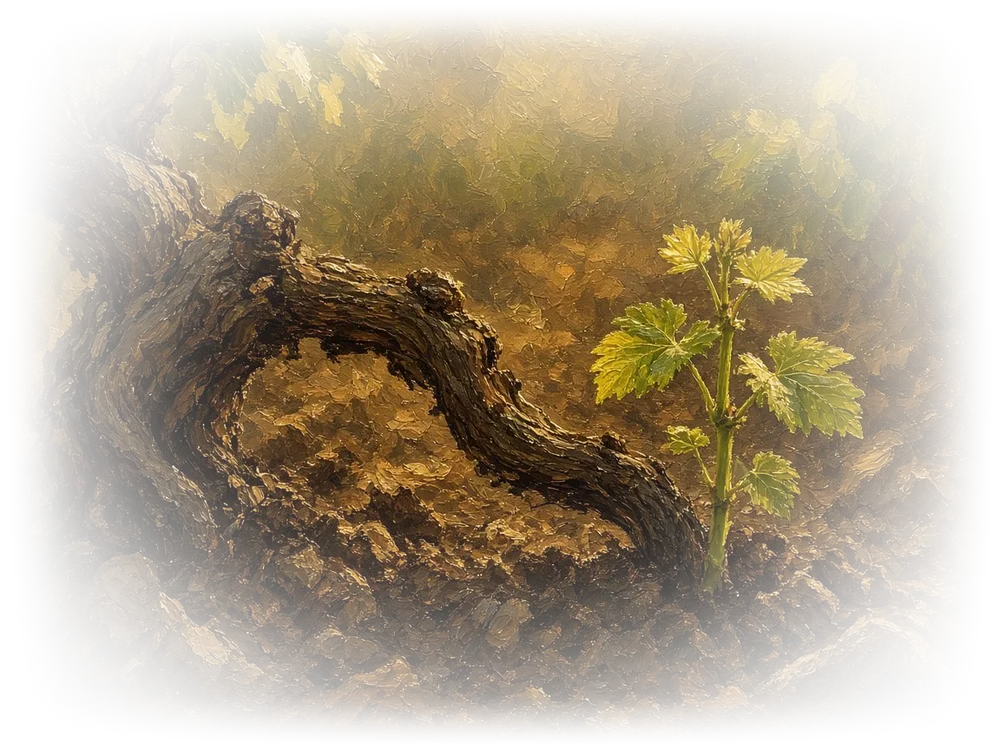
How can we bless Hashem? He is the source of every blessing. The commentary in our siddur answers with the word itself. בָּרוּךְ has two meanings, says the Mitteler Rebbe in Peirush HaMilos. In the first, it is passive: one who receives blessing from his source, as in “and King Shlomo shall be blessed”. In the second, it is active: one who draws down blessing to others. That second meaning comes from the farmer’s word in the Mishnah (Kilayim 7:1), הַמַּבְרִיךְ אֶת הַגֶּפֶן, “one who sinks the vine into the earth” (§G49). The commentary explains:
Nevertheless, the term ברוך, “blessed,” shares a root with the verb lehavrich (להבריך), which refers to the agricultural technique of embedding a low branch of a vine in the ground in the hope that it will strike roots and ultimately produce a satellite vine.
The new roots thus extend and expand the scope of the vine’s vitality. In that context, the entity being blessed becomes a source of influence.
— Chabad.org, Online Siddur with Commentary, on בָּרוּךְ הוּא (Peirush HaMilos)
Peirush HaMilos (the Mitteler Rebbe), pp. 59d-60a, 62c-63a, 69b · as cited in a Hebrew note of the commentary; quoted as printed, unvoweled
Mishnah, Kilayim 7:1 · Hebrew text via Sefaria; quoted · sefaria.org/Mishnah_Kilayim.7.1
Melachim I 2:45 · Hebrew text via Sefaria; quoted in part · sefaria.org/I_Kings.2.45
What the Hebrew note adds, and what I take from it
“Both are true.” One might think the two meanings are opposites: receiving and giving. The Hebrew note says: “both explanations are true, and they are not two opposites at all; on the contrary, one depends on the other.” The more one is blessed, the more one can bless.
The pool and the student. The note gives more examples. One who digs from a spring and makes a source for a pool of water (בְּרֵכָה, the same letters). And a student: “the more he himself is blessed, the more he can give to the one who receives from him.”
The overflowing barrel. And my favorite: a full barrel, “the more it is filled, the more drops drip from it below, at its bottom.” A barrel filled only to its measure gives nothing; what overflows is what reaches others. So when a teacher’s light is more than he can hold, it pours out of him, and he says something new.
From here on, my own thoughts. The branch goes down first. The vine branch must bend low and go into the earth before it can root and become a new vine. It is the rule of the ladder again: the higher, the lower it can reach.
Let Shabbos fill the barrel. On Shabbos morning we have time. Say Baruch She’amar slowly, with a tune, as the Alter Rebbe asks. Let the barrel fill until it overflows, into our families and into the whole week.
Shulchan Aruch HaRav, Orach Chaim 51 (Sichos in English, on Chabad.org) · Hebrew text quoted; English quoted and paraphrased · chabad.org/…/aid/3285916
“Unique, Life of the worlds, King” — and a pause
Near the end we say יָחִיד, חֵי הָעוֹלָמִים מֶלֶךְ, and then pause before מְשֻׁבָּח. The commentary, from Torah Or, explains the words. יָחִיד and אֶחָד both mean “one”. But אֶחָד is a oneness that unites many things, as in the Shema, where Hashem’s unity fills the heavens, the earth and the four directions (Lesson 7). יָחִיד is His oneness as He is by Himself, before any creation.
Yishtabach, at the end of Pesukei d’Zimra, uses the same words in another order: מֶלֶךְ יָחִיד חֵי הָעוֹלָמִים. Why? At the beginning, Baruch She’amar says that Hashem is יָחִיד, and that His giving life to the worlds comes through His kingship, מֶלֶךְ, an outer level. After all the praises, Yishtabach can say more: the יָחִיד itself is inside the kingship, and through it His singular oneness is revealed in all the worlds (Torah Or, Toras Menachem). That is why the pause matters: in Baruch She’amar, מֶלֶךְ closes the phrase “Unique, Life of the worlds, King”.
יָחִיד, חֵי הָעוֹלָמִים מֶלֶךְ. מְשֻׁבָּח וּמְפֹאָר עֲדֵי עַד שְׁמוֹ הַגָּדוֹל.
Sefer HaMinhagim (Chabad), Pesukei DeZimrah (Kehot, tr. Uri Kaploun, on Chabad.org) · English quoted · chabad.org/…/aid/4153519
Shulchan Aruch HaRav, Orach Chaim 51 (Sichos in English, on Chabad.org) · Hebrew text quoted; English quoted and paraphrased · chabad.org/…/aid/3285916
Sefer HaMinhagim (Chabad), Pesukei DeZimrah (Kehot, tr. Uri Kaploun, on Chabad.org) · English quoted · chabad.org/…/aid/4153519
Baruch She’amar, line by line
| Hebrew | Transliteration | Meaning |
|---|---|---|
| בָּרוּךְ שֶׁאָמַר וְהָיָה הָעוֹלָם, בָּרוּךְ הוּא, | Boruch she’omar v’hoyoh ho’olom, boruch hu, | Blessed is He Who spoke, and the world came to be; blessed is He. |
| בָּרוּךְ אוֹמֵר וְעֹשֶׂה, | Boruch omeir v’oseh, | Blessed is He Who says and does; |
| בָּרוּךְ גּוֹזֵר וּמְקַיֵּם, | Boruch gozeir um’kayeim, | Blessed is He Who decrees and fulfills; |
| בָּרוּךְ עֹשֶׂה בְרֵאשִׁית, | Boruch oseh v’reishis, | Blessed is He Who makes Creation; |
| בָּרוּךְ מְרַחֵם עַל הָאָרֶץ, | Boruch m’racheim al ho’oretz, | Blessed is He Who has mercy on the earth; |
| בָּרוּךְ מְרַחֵם עַל הַבְּרִיּוֹת, | Boruch m’racheim al hab’riyos, | Blessed is He Who has mercy on the creatures; |
| בָּרוּךְ מְשַׁלֵּם שָׂכָר טוֹב לִירֵאָיו, | Boruch m’shaleim sochor tov lirei’ov, | Blessed is He Who pays a good reward to those who fear Him; |
| בָּרוּךְ חַי לָעַד וְקַיָּם לָנֶצַח, | Boruch chai lo’ad v’kayom lonetzach, | Blessed is He Who lives forever and endures for eternity; |
| בָּרוּךְ פּוֹדֶה וּמַצִּיל, בָּרוּךְ שְׁמוֹ. | Boruch podeh umatzil, boruch sh’mo. | Blessed is He Who redeems and saves; blessed is His Name. |
| בָּרוּךְ אַתָּה יְיָ אֱלֹהֵינוּ מֶלֶךְ הָעוֹלָם, | Boruch Ato Ado-noi, Elo-keinu Melech ho’olom, | Blessed are You, Hashem, our G‑d, King of the world, |
| הָאֵל, אָב הָרַחֲמָן, הַמְהֻלָּל בְּפֶה עַמּוֹ, | ho’Keil, ov horachamon, ham’hulol b’feh amo, | the G‑d, the merciful Father, praised by the mouth of His people, |
| מְשֻׁבָּח וּמְפֹאָר בִּלְשׁוֹן חֲסִידָיו וַעֲבָדָיו, | m’shubach um’fo’or bilshon chasidov va’avodov, | lauded and glorified by the tongue of His pious ones and His servants, |
| וּבְשִׁירֵי דָוִד עַבְדֶּךָ. | uv’shirei Dovid avdecho. | and with the songs of David, Your servant. |
| נְהַלֶּלְךָ יְיָ אֱלֹהֵינוּ, בִּשְׁבָחוֹת וּבִזְמִרוֹת, | N’halelcho Ado-noi Elo-keinu, bishvochos uvizmiros, | We will praise You, Hashem our G‑d, with praises and with songs; |
| נְגַדֶּלְךָ וּנְשַׁבֵּחֲךָ וּנְפָאֶרְךָ, וְנַמְלִיכְךָ וְנַזְכִּיר שִׁמְךָ מַלְכֵּנוּ אֱלֹהֵינוּ. | n’gadelcho un’shabeichacho un’fo’ercho, v’namlichcho v’nazkir shimcho, malkeinu Elo-keinu. | we will make You great, laud You and glorify You; we will proclaim You King and mention Your Name, our King, our G‑d. |
| יָחִיד, חֵי הָעוֹלָמִים | Yochid, chei ho’olomim | Unique One, Life of the worlds, |
| מֶלֶךְ. מְשֻׁבָּח וּמְפֹאָר עֲדֵי עַד שְׁמוֹ הַגָּדוֹל. | Melech. M’shubach um’fo’or adei ad sh’mo hagodol. | King. Lauded and glorified forever and ever is His great Name. |
| בָּרוּךְ אַתָּה יְיָ, מֶלֶךְ מְהֻלָּל בַּתִּשְׁבָּחוֹת׃ | Boruch Ato Ado-noi, Melech m’hulol batishbochos. | Blessed are You, Hashem, the King praised with praises. |
I checked every word against the Chabad.org siddur (Siddur Tehillat Hashem), and counted them: 87, from בָּרוּךְ שֶׁאָמַר to בַּתִּשְׁבָּחוֹת. Points of our nusach to notice: the order of the first Baruchs; אָב הָרַחֲמָן, “the merciful Father”; בְּפֶה with a segol; the pause after מֶלֶךְ; and בַּתִּשְׁבָּחוֹת with a chirik. Siddurim of other nusachos differ in some of these; I follow the Chabad siddur. The translations and transliterations are my own.
Shulchan Aruch HaRav, Orach Chaim 51 (Sichos in English, on Chabad.org) · Hebrew text quoted; English quoted and paraphrased · chabad.org/…/aid/3285916
Sefer HaMinhagim (Chabad), Pesukei DeZimrah (Kehot, tr. Uri Kaploun, on Chabad.org) · English quoted · chabad.org/…/aid/4153519
“Blessed is He Who spoke”
Notice the change of tense: שֶׁאָמַר, “Who spoke”, in the past, then אוֹמֵר וְעֹשֶׂה, “Who says and does”, in the present (§G8, §G15).
בָּרוּךְ שֶׁאָמַר וְהָיָה הָעוֹלָם, בָּרוּךְ הוּא,בָּרוּךְ אוֹמֵר וְעֹשֶׂה,בָּרוּךְ גּוֹזֵר וּמְקַיֵּם,
| שֶׁאָמַר | = | אָמַר | + | שֶׁ |
| she’omar Who spoke | say | that, Who |
| וְהָיָה | = | הָיָה | + | וְ |
| v’hoyoh and it came to be | be | and |
| הָעוֹלָם | = | עוֹלָם | + | הָ |
| ho’olom the world | world | the |
| הוּא | = | הוּא |
| hu He | he |
| אוֹמֵר | = | אוֹמֵר |
| omeir says | say |
| וְעֹשֶׂה | = | עֹשֶׂה | + | וְ |
| v’oseh and does | do, make | and |
| גּוֹזֵר | = | גּוֹזֵר |
| gozeir decrees | decree |
| וּמְקַיֵּם | = | קַיֵּם | + | מְ | + | וּ |
| um’kayeim and fulfills | stand, endure | pi’el present | and |
Mercy, reward, life and redemption
Words already explained, like the word בָּרוּךְ (§G13, §G49), the word עַל and the word חַי, are not repeated. Find two words of the hollow root ק־ו־ם (§G44).
בָּרוּךְ מְרַחֵם עַל הָאָרֶץ,בָּרוּךְ מְרַחֵם עַל הַבְּרִיּוֹת,בָּרוּךְ מְשַׁלֵּם שָׂכָר טוֹב לִירֵאָיו,בָּרוּךְ חַי לָעַד וְקַיָּם לָנֶצַח,בָּרוּךְ פּוֹדֶה וּמַצִּיל, בָּרוּךְ שְׁמוֹ.
| מְרַחֵם | = | רַחֵם | + | מְ |
| m’racheim has mercy | mercy | pi’el present |
| הַבְּרִיּוֹת | = | ◌וֹת | + | בְּרִיּ | + | הַ |
| hab’riyos the creatures | plural (f.) | create | the |
| מְשַׁלֵּם | = | שַׁלֵּם | + | מְ |
| m’shaleim pays | complete, pay | pi’el present |
| לִירֵאָיו | = | ◌יו | + | ירֵאָ | + | לִ |
| lirei’ov to those who fear Him | His (plural) | fear | to, for |
| לָעַד | = | עַד | + | לָ |
| lo’ad forever | ever | to, for |
| וְקַיָּם | = | קַיָּם | + | וְ |
| v’kayom and endures | stand, endure | and |
| לָנֶצַח | = | נֶצַח | + | לָ |
| lonetzach for eternity | eternity | to, for |
| פּוֹדֶה | = | פּוֹדֶה |
| podeh redeems | redeem |
| וּמַצִּיל | = | צִּיל | + | מַ | + | וּ |
| umatzil and saves | save | hif’il present | and |
| שְׁמוֹ | = | ◌וֹ | + | שְׁמ |
| sh’mo His Name | His | name |
“Praised by the mouth of His people”
Three words in the pu’al (§G47): הַמְהֻלָּל, “praised”; מְשֻׁבָּח, “lauded”; and וּמְפֹאָר, “glorified”.
הָאֵל, אָב הָרַחֲמָן, הַמְהֻלָּל בְּפֶה עַמּוֹ,מְשֻׁבָּח וּמְפֹאָר בִּלְשׁוֹן חֲסִידָיו וַעֲבָדָיו,וּבְשִׁירֵי דָוִד עַבְדֶּךָ.
| הָרַחֲמָן | = | ◌ן | + | רַחֲמָ | + | הָ |
| horachamon the merciful | -on: one who is | mercy | the |
| הַמְהֻלָּל | = | הֻלָּל | + | מְ | + | הַ |
| ham’hulol praised | praise | pu’al present | the |
| בְּפֶה | = | פֶה | + | בְּ |
| b’feh by the mouth of | mouth | in, with |
| עַמּוֹ | = | ◌וֹ | + | עַמּ |
| amo His people | His | people |
| מְשֻׁבָּח | = | שֻׁבָּח | + | מְ |
| m’shubach lauded | laud | pu’al present |
| וּמְפֹאָר | = | פֹאָר | + | מְ | + | וּ |
| um’fo’or and glorified | glory | pu’al present | and |
| בִּלְשׁוֹן | = | לְשׁוֹן | + | בִּ |
| bilshon by the tongue of | tongue | in, with |
| חֲסִידָיו | = | ◌יו | + | חֲסִידָ |
| chasidov His pious ones | His (plural) | kindness, piety |
| וּבְשִׁירֵי | = | ◌י | + | שִׁירֵ | + | בְ | + | וּ |
| uv’shirei and with the songs of | plural, “of” | song | in, with | and |
| עַבְדֶּךָ | = | ◌ךָ | + | עַבְדֶּ |
| avdecho Your servant | You, Your | serve |
“We will praise You”
Six verbs with נ, “we”, and four of them end with ־ךָ, “You” (§G20, §G30).
נְהַלֶּלְךָ יְיָ אֱלֹהֵינוּ, בִּשְׁבָחוֹת וּבִזְמִרוֹת,נְגַדֶּלְךָ וּנְשַׁבֵּחֲךָ וּנְפָאֶרְךָ, וְנַמְלִיכְךָ וְנַזְכִּיר שִׁמְךָ מַלְכֵּנוּ אֱלֹהֵינוּ.יָחִיד, חֵי הָעוֹלָמִיםמֶלֶךְ. מְשֻׁבָּח וּמְפֹאָר עֲדֵי עַד שְׁמוֹ הַגָּדוֹל.בָּרוּךְ אַתָּה יְיָ, מֶלֶךְ מְהֻלָּל בַּתִּשְׁבָּחוֹת׃
| נְהַלֶּלְךָ | = | ◌ךָ | + | הַלֶּלְ | + | נְ |
| n’halelcho we will praise You | You, Your | praise | we (future) |
| בִּשְׁבָחוֹת | = | ◌וֹת | + | שְׁבָח | + | בִּ |
| bishvochos with praises | plural (f.) | praise | in, with |
| וּבִזְמִרוֹת | = | ◌וֹת | + | זְמִר | + | בִ | + | וּ |
| uvizmiros and with songs | plural (f.) | sing | in, with | and |
| נְגַדֶּלְךָ | = | ◌ךָ | + | גַדֶּלְ | + | נְ |
| n’gadelcho we will make You great | You, Your | great | we (future) |
| וּנְשַׁבֵּחֲךָ | = | ◌ךָ | + | שַׁבֵּחֲ | + | נְ | + | וּ |
| un’shabeichacho and laud You | You, Your | laud | we (future) | and |
| וּנְפָאֶרְךָ | = | ◌ךָ | + | פָאֶרְ | + | נְ | + | וּ |
| un’fo’ercho and glorify You | You, Your | glory | we (future) | and |
| וְנַמְלִיכְךָ | = | ◌ךָ | + | מְלִיכְ | + | נַ | + | וְ |
| v’namlichcho and proclaim You King | You, Your | king | we (hif’il future) | and |
| וְנַזְכִּיר | = | זְכִּיר | + | נַ | + | וְ |
| v’nazkir and mention | remember | we (hif’il future) | and |
| יָחִיד | = | יָחִיד |
| yochid unique | one |
| חֵי | = | חֵי |
| chei Life of | life |
| עֲדֵי | = | עֲדֵי |
| adei forever (and ever) | until, ever |
| בַּתִּשְׁבָּחוֹת | = | ◌וֹת | + | שְׁבָּח | + | תִּ | + | בַּ |
| batishbochos with the praises | plural (f.) | praise | noun ת | with the |
- Lesson 1 §G1 · The root and the three-part word: most words are built on a three-letter root; a word = prefix + stem + ending
- Lesson 1 §G2 · Hidden root letters: yud, vav and hei can change shape or drop; a dagesh can mark a merged letter
- Lesson 1 §G3 · One-letter prefixes: ve- and, be- in/with, le- to, mi- from, she- that: written joined to the next word
- Lesson 1 §G4 · Pronouns: standalone and attached: ani I, Ato You; endings -i my/me, -cho/-echo your, -einu our, -o/-ov his
- Lesson 1 §G5 · Nouns: masculine, feminine, plural: feminine -oh, which becomes -as/-os before an ending; plurals -im and -os; vowels shorten as the word grows
- Lesson 1 §G7 · Verb patterns (binyanim) and the hif’il: a root becomes a verb through a pattern; the hif’il means “cause to” and is marked by he- (past) or ma-/mo- (present)
- Lesson 1 §G8 · Present and past: who is speaking: the present (participle) changes for gender and number; the past adds person endings such as -ti I, -to you, -nu we
- Lesson 2 §G9 · The article: “the”: ha- plus a dagesh in the next letter; ho- before alef, ayin, reish; hidden inside be-, le-, ke-
- Lesson 2 §G10 · The construct chain: “X of Y”: two nouns side by side mean “X of Y”; the article goes on the second; feminine -oh becomes -as
- Lesson 2 §G11 · The pi’el: a doubled middle letter: the pi’el doubles the middle root letter with a dagesh; past ki-, present me-
- Lesson 2 §G13 · The passive participle: boruch: the pattern kotuv (kamatz, then u before the last letter) means “-ed”: boruch blessed
- Lesson 3 §G15 · The active participle: “the One Who does”: the kal present has o after the first root letter and ei under the second: pokei’ach, zokeif; it describes an action that goes on
- Lesson 3 §G16 · The hif’il present: ma- … -i-: the hif’il present has ma- (mei-) in front and a yud before the last root letter: matir, malbish, hameichin, hama’avir; it means “causes to …”
- Lesson 3 §G17 · Words that work as nouns: “the blind”, “the One Who”: an adjective or participle can stand alone as a noun; with ha- in front, a participle means “the One Who …”
- Lesson 3 §G19 · Two small signs: the furtive patach and the soft letter: a patach under a final ח or ע is read before the letter (koach); בּ כּ פּ lose their dagesh after a vowel (vinoh, gover)
- Lesson 4 §G20 · The future tense: a letter in front: the future puts a prefix letter before the root: e- (א) I, ti- (ת) you or she, yi- (י) he or it, ni- (נ) we; after אִם it means “if … were to”
- Lesson 5 §G28 · Nouns with a מ in front: many nouns are made by putting מ (ma-, mi-) before the root: ma’aseh a deed (ע־שׂ־ה, do), mitzvoh a command (צ־ו־ה), mitz’od a step (צ־ע־ד)
- Lesson 6 §G30 · “May He bless you”: the future as a wish, with object endings: the future (§G20) also says “may…”: y’vorech’cho may He bless you; an ending after a future verb names the object: -cho you, -eim them
- Lesson 9 §G44 · Hollow roots: when the middle root letter is a vav (אוֹר, מֵאִיר, טוּבוֹ): in roots like א־ו־ר (light) and ט־ו־ב (good) the middle ו is a vowel, not a full letter: or light, mei’ir gives light (hif’il, §G16), mo’or a luminary (מ in front, §G28), tov good, tuvo His goodness
- Lesson 9 §G45 · Letters that count: gematria: every Hebrew letter has a number: א–ט 1–9, י–צ 10–90, ק–ת 100–400; a word’s value is the sum of its letters: אוֹר = 207 = רָז (Zohar, as cited); אֶת הָאוֹר = 613 = בַּתּוֹרָה (Baal HaTurim)
In Lesson 2 we met the pi’el, the pattern with a doubled middle letter (§G11): מְקַדֵּשׁ, “sanctifies”, מְחַדֵּשׁ, “renews”. In Lesson 4 we saw that the simple verb has its own passive, the nif’al (§G21). The pi’el has a passive too, and Baruch She’amar is full of it: the pu’al.
How to recognize it. The pu’al keeps the dagesh of the pi’el in the middle root letter, but puts a u under the first: a kubutz (ֻ). In the present it has מְ in front, like the pi’el. Compare:
- pi’el מְהַלֵּל (m’haleil), “praises” → pu’al מְהֻלָּל (m’hulol), “is praised”.
- pi’el מְשַׁבֵּחַ (m’shabei’ach), “lauds” → pu’al מְשֻׁבָּח (m’shubach), “is lauded”.
So the pi’el present has a … ei (מְ-ַ-ֵּ), and the pu’al present has u … o (מְ-ֻ-ָּ). One vowel pattern says “does”, the other says “is done to”.
When the middle letter cannot take a dagesh. In מְפֹאָר (m’fo’or), “glorified”, the root is פ־א־ר, and the middle letter is an א. An א never takes a dagesh. So the pu’al makes up for it by lengthening the vowel before: the u becomes o, a cholam (ֹ). This is the same kind of hidden change we saw with the weak letters (§G2).
In our blessing. הַמְהֻלָּל בְּפֶה עַמּוֹ, “Who is praised by the mouth of His people”; מְשֻׁבָּח וּמְפֹאָר, “lauded and glorified”, twice; and the closing words, מֶלֶךְ מְהֻלָּל בַּתִּשְׁבָּחוֹת, “the King praised with praises”. Our blessing first says that Hashem is praised, and then, in the verbs with נ, we say that we will praise Him (§G20): נְהַלֶּלְךָ, “we will praise You”, is the pi’el of the very same root.
| מְהֻלָּל | m’hulol | praised | pu’al of ה־ל־ל |
| מְשֻׁבָּח | m’shubach | lauded | pu’al of שׁ־ב־ח |
| מְפֹאָר | m’fo’or | glorified | pu’al of פ־א־ר: א takes no dagesh, u → o |
| נְהַלֶּלְךָ | n’halelcho | we will praise You | pi’el, same root (§G11, §G20) |
In Lesson 1 we learned that some root letters are weak, and that a final hei can drop (§G2): חַי, “living”, comes from ח־י־ה. In Lesson 9 we met נִרְאֶה, from ר־א־ה (§G46). Baruch She’amar has a whole group of these roots, and it is worth learning how they behave, because they are among the most common verbs in the siddur.
The participle ends in -eh. A normal participle of the simple verb has o and then ei: גּוֹזֵר (gozeir), “decrees”, אוֹמֵר (omeir), “says” (§G15). When the third root letter is a ה, the ei becomes eh (a segol), and the ה stays at the end, silent:
- ע־שׂ־ה, “do, make”: עֹשֶׂה (oseh), “does, makes”: בָּרוּךְ אוֹמֵר וְעֹשֶׂה and בָּרוּךְ עֹשֶׂה בְרֵאשִׁית.
- פ־ד־ה, “redeem”: פּוֹדֶה (podeh), “redeems”: בָּרוּךְ פּוֹדֶה וּמַצִּיל.
The past “he” ends in -oh. In the past, “he did” has two kamatzes and the ה at the end: הָיָה (hoyoh), “it was, it came to be”, from ה־י־ה: שֶׁאָמַר וְהָיָה הָעוֹלָם, “Who spoke, and the world came to be”. Compare אָמַר (omar), “he said”, from a strong root: there the last letter is a ר, with no vowel after it.
Before an ending, the ה drops. When something is added after the root, the ה falls away (§G2). From מַעֲשֶׂה (ma’aseh), “a deed” (§G28), comes מַעֲשֶׂיךָ (ma’asecho), “Your deeds”, and the chain form מַעֲשֵׂה (ma’aseih), “the work of”, as in מַעֲשֵׂה בְרֵאשִׁית (Lesson 9). The same root ה־י־ה gives יְהִי (y’hi), “let there be”, the word of the nine utterances, with no ה at the end at all.
So when a word ends in ־ֶה or ־ָה and you cannot find a third root letter, try a ה.
| עֹשֶׂה | oseh | does, makes | participle of ע־שׂ־ה |
| פּוֹדֶה | podeh | redeems | participle of פ־ד־ה |
| וְהָיָה | v’hoyoh | and it came to be | past of ה־י־ה |
| יְהִי | y’hi | let there be | the ה has dropped |
In Lesson 1 we learned that a root carries one basic idea, and that each pattern dresses it differently (§G1, §G7). The root of the word that opens every bracha, ב־ר־ך, is a good example, and this lesson needs it, because Baruch She’amar says בָּרוּךְ thirteen times.
The family.
- בָּרוּךְ (boruch), “blessed”: the passive participle (§G13). It also stands for one who receives blessing, as in וְהַמֶּלֶךְ שְׁלֹמֹה בָּרוּךְ, “and King Shlomo shall be blessed” (Melachim I 2:45).
- בְּרָכָה (b’rochoh), “a blessing”: a feminine noun (§G5); plural בְּרָכוֹת (b’rochos).
- נְבָרֵךְ (n’voreich), “we will bless”: the pi’el future with נ (§G11, §G20). In the pi’el the middle letter should be doubled, but ר does not take a dagesh, so the vowel before it lengthens (as in §G47).
- הַמַּבְרִיךְ (hamavrich), the hif’il (§G7, §G16): in the Mishnah (Kilayim 7:1), הַמַּבְרִיךְ אֶת הַגֶּפֶן בָּאָרֶץ, “one who sinks the vine into the earth”: a farmer bends a branch of a vine down, covers it with earth, and it takes root and grows into a new vine.
Two meanings, one root. The commentary of our siddur (Peirush HaMilos) builds on this. בָּרוּךְ can mean that someone receives blessing from his source. And, from l’havrich, it can mean that he becomes a source that draws blessing down to others, like the vine branch that roots in a new place. The commentary says that both meanings are true, and that they depend on each other: the more one is blessed, the more one can bless. We will see this in the Chassidic insight of this lesson.
Finding the root is the key skill of this course (§G1). Once you know ב־ר־ך, a whole family of words opens.
| בָּרוּךְ | boruch | blessed | passive participle (§G13) |
| בְּרָכָה | b’rochoh | a blessing | feminine noun (§G5) |
| נְבָרֵךְ | n’voreich | we will bless | pi’el future (§G11, §G20) |
| הַמַּבְרִיךְ | hamavrich | one who sinks a vine branch into the earth | hif’il (§G16) |
Small words in Baruch She’amar
| Word | Transliteration | Meaning | Root | Grammar |
|---|---|---|---|---|
| עַל | al | on, upon | — | מְרַחֵם עַל הָאָרֶץ, “has mercy on the earth”. |
| אָב | ov | father | — | אָב הָרַחֲמָן, “the merciful Father”; also אָבִינוּ, “our Father”. |
| פֶּה | peh | mouth | — | In a chain usually פִּי; our nusach says בְּפֶה עַמּוֹ (§G10). |
| שֵׁם | sheim | name | שׁ־ם | שְׁמוֹ, “His Name”; שִׁמְךָ, “Your Name” (§G4). |
| עַד | ad | until, forever | — | לָעַד, “forever”; עֲדֵי עַד, “forever and ever”. |
| שָׂכָר | sochor | reward | שׂ־כ־ר | שָׂכָר טוֹב, “a good reward” (Avos 5:1). |
| בָּרוּךְ boruch · blessed every bracha, and thirteen times here | מְהֻלָּל m’hulol · praised Baruch She’amar, Ashrei (Tehillim 145:3), Hallel |
| מְשֻׁבָּח וּמְפֹאָר m’shubach um’fo’or · lauded and glorified Baruch She’amar, Yishtabach and Kaddish (Lesson 8) | מְרַחֵם m’racheim · has mercy Baruch She’amar, twice: on the earth and on the creatures |
| עֹשֶׂה oseh · makes, does Oseh sholom, at the end of Kaddish and the Amidah | שְׁמוֹ sh’mo · His Name Boruch sh’mo here, and Boruch shem k’vod malchuso (Lesson 7); with “Your”, shimcho |
- According to the Alter Rebbe (Shulchan Aruch HaRav 51:2), who instituted Baruch She’amar, and how did it come to them?
- Why is Baruch She’amar called the opening blessing of Pesukei d’Zimra? What do the Sages (Berachos 32a) teach about praising Hashem before we ask for our needs?
- How many words are in Baruch She’amar? Which verse is its sign, and how do the letters of פָּז give the number? → see Lesson 9 §G45
- How do we say Baruch She’amar: sitting or standing? What do we hold, in which hand, and what do we do with it at the end?
- Where does Sefer HaMinhagim tell us to pause near the end of Baruch She’amar, and why?
- Count the word בָּרוּךְ in the Chabad nusach. How many times in the first part, and how many in all? Why might someone say “ten”? → see Lesson 2 §G13, §G49
- Why does the blessing say שֶׁאָמַר in the past, and then אוֹמֵר וְעֹשֶׂה in the present? Use the Gemara in Rosh Hashanah 32a. → see Lesson 1 §G8, Lesson 3 §G15
- What is the difference, according to the commentary, between speaking to Hashem as “You” and speaking of Him as “He” (בָּרוּךְ הוּא)?
- Give the two meanings of the word בָּרוּךְ in Peirush HaMilos. What does the vine that is bent down into the earth teach us? → see §G49
- Find three pu’al words in the second part. How do they differ from נְהַלֶּלְךָ? Why is it מְפֹאָר with an o and not u? → see §G47, Lesson 2 §G11
- Find four words from roots that end in ה. What happens to the ה in each? → see §G48
- Which two points of pronunciation does the Alter Rebbe give for Baruch She’amar according to the inner teaching? → see Lesson 2 §G10
- What is the difference between יָחִיד and אֶחָד? Why does Yishtabach put the word מֶלֶךְ first?
- Give two reasons, from the article on Chabad.org, for holding the tzitzis during Baruch She’amar.
The lesson PDFs are for signed-in users.