


Birchos HaTorah: The Blessings over the Torah
This lesson can be read on www.tebeka.com. Printing is for signed-in users only. © Rabbi Haim Tebeka.

Before a Jew learns a single word of Torah in the morning, he blesses Hashem for it, three times. In this lesson I tell where these brachos come from in the Gemara and why the Sages took them so seriously; then we look at what Chassidus sees in them: a blessing that draws Hashem’s wisdom down into our learning, a Torah that is given anew every day. In Part 2 we learn the first Torah of the day, the Priestly Blessing and Eilu Devorim, and why we say them right away. As always, every word is taken apart, and the new grammar is explained at the end (§G30 to §G34).
Three brachos from one page of the Gemara
Before a Jew learns a single word of Torah in the morning, he says the blessings over the Torah. Their source is the Gemara in Berachos 11b, which asks a simple question: “What blessing does one say?” Three Amoraim give three answers.
- Rav Yehuda in the name of Shmuel: “Who has sanctified us with His commandments and commanded us to occupy ourselves with the words of Torah.”
- Rabbi Yochanan concludes with a request: “Please make the words of Your Torah pleasant, Hashem our G‑d, in our mouth and in the mouths of Your people…”, with our children, and a closing bracha.
- Rav Hamnuna: “Who chose us from all the nations and gave us His Torah. Blessed are You, Hashem, Giver of the Torah.” And Rav Hamnuna adds: “This is the finest of the blessings.”
Which one do we say? The Gemara answers in three words: הִלְכָּךְ לֵימְרִינְהוּ לְכוּלְּהוּ, “therefore, let us say all of them.” That is exactly what our siddur does: Al Divrei Torah, V’ha’arev Na and Asher Bochar Bonu, one after the other.
מַאי מְבָרֵךְ? אָמַר רַב יְהוּדָה אָמַר שְׁמוּאֵל: ״אֲשֶׁר קִדְּשָׁנוּ בְּמִצְוֹתָיו וְצִוָּנוּ לַעֲסוֹק בְּדִבְרֵי תוֹרָה״.וְרַב הַמְנוּנָא אָמַר: ״אֲשֶׁר בָּחַר בָּנוּ מִכׇּל הָעַמִּים וְנָתַן לָנוּ אֶת תּוֹרָתוֹ. בָּרוּךְ אַתָּה ה׳ נוֹתֵן הַתּוֹרָה״. אָמַר רַב הַמְנוּנָא: זוֹ הִיא מְעוּלָּה שֶׁבַּבְּרָכוֹת.הִלְכָּךְ לֵימְרִינְהוּ לְכוּלְּהוּ.
A bracha the Torah itself asks for
Most brachos were instituted by our Sages. Of this one, the Gemara (Berachos 21a) asks: “From where do we know the blessing over the Torah before [learning] it, from the Torah itself?” And it answers with a verse from Moshe’s song in Haazinu (Devarim 32:3): “When I call out the Name of Hashem, give greatness to our G‑d.” Before the words of Torah are spoken, Hashem is blessed.
The same page compares the Torah to food. Just as we bless before eating and after, could we learn one from the other? The Gemara draws a line between them: food is for this life, but Torah is חַיֵּי עוֹלָם, “eternal life.” Keep this picture in mind; we will meet it again in the Tanya.
מִנַּיִן לְבִרְכַּת הַתּוֹרָה לְפָנֶיהָ מִן הַתּוֹרָה — שֶׁנֶּאֱמַר: ״כִּי שֵׁם ה׳ אֶקְרָא הָבוּ גֹדֶל לֵאלֹהֵינוּ״.שֶׁכֵּן חַיֵּי עוֹלָם
Devarim 32:3 · Hebrew text via Sefaria · sefaria.org/Deuteronomy.32.3

Why was the land destroyed?
The prophet Yirmeyahu asked a question that no one could answer: “Who is the wise man who will understand this … for what was the land destroyed?” (Yirmeyahu 9:11). The next verse gives Hashem’s own answer: “because they forsook My Torah.”
But they did not stop learning! So the Gemara (Nedarim 81a; Bava Metzia 85b) explains, in the words of Rav Yehuda in the name of Rav: שֶׁלֹּא בֵּרְכוּ בַּתּוֹרָה תְּחִילָּה, “because they did not first say the blessing over the Torah.”
The Alter Rebbe opens the laws of these brachos with this very teaching (Shulchan Aruch HaRav 47:1): one must be “most vigilant” with them, for the land was laid waste only because they did not say the blessing before Torah study. Rashi, as quoted in our siddur’s commentary, explains why: “For they did not regard the Torah as sufficiently important to recite a blessing over it. Therefore they would treat its blessings with disdain. Accordingly, even though they were very occupied with Torah study, their Torah study did not protect them.”
And so, the Alter Rebbe concludes, every person should hold the Torah so precious, “G‑d’s precious vessel in which He takes delight every day”, that “he recites its blessings with a joy that surpasses his joy over all the pleasures in the world.”
וַיֹּאמֶר … עַל עׇזְבָם אֶת תּוֹרָתִישֶׁלֹּא בֵּרְכוּ בַּתּוֹרָה תְּחִילָּהשֶׁלֹּא חָרְבָה הָאָרֶץ אֶלָּא מִפְּנֵי שֶׁלֹּא בֵּרְכוּ בַּתּוֹרָה תְּחִלָּהחֲשׁוּבָה בְּעֵינָיו לְבָרֵךְ עָלֶיהָ בְּשִׂמְחָה יוֹתֵר מֵעַל כָּל הֲנָאוֹת שֶׁבָּעוֹלָם
Talmud, Nedarim 81a · Gemara text via Sefaria; quoted · sefaria.org/Nedarim.81a
Talmud, Bava Metzia 85b · Gemara text via Sefaria; quoted · sefaria.org/Bava_Metzia.85b
Shulchan Aruch HaRav, Orach Chaim 47:1 (tr. Rabbi Eliyahu Touger and Uri Kaploun, Sichos in English) · quoted from the English and the Hebrew · chabad.org/…/aid/3285912
Chabad.org, Online Siddur with Commentary (Siddur Illuminated by Chassidus, Sichos in English): Al Divrei Torah · commentary on בָּרוּךְ, quoting Rashi; quoted · chabad.org/torah-texts/2349785
Learning, but not for the Torah’s sake
What exactly was missing? The translators of the Alter Rebbe’s Shulchan Aruch bring, in their note to 47:1, the words of the Bach. The people studied, he writes, “for their own material benefit, so that they would know the laws needed for their business dealings, and also to proudly display their wisdom. They did not seek to fuse with the holiness and spirituality of the Torah and cleave to it, [thereby] drawing the Divine Presence down into this world.... They thus brought about a separation [in the universe] and caused the Divine Presence to retreat and ascend from this world.” The Torah they learned “was left merely physical, no longer pervaded by the holiness of the Divine Presence.”
The same note adds that, according to many maamarim of Chassidus (it cites Likkutei Torah on Devarim, p. 29a), the Sages’ words refer “not only to the blessings of the Torah per se, but also to each individual’s endeavors in the Divine service of prayer, for prayer generates a connection between the individual and the inherently Divine nature of the Torah.” I bring that reference as cited there.
From the Gemara to our siddur
Set the Gemara’s words beside our siddur and you will notice these differences:
- “to occupy ourselves with” or “concerning”? Shmuel’s wording in the Gemara is לַעֲסוֹק בְּדִבְרֵי תוֹרָה. Our siddur says עַל דִּבְרֵי תוֹרָה. The Alter Rebbe writes in his Shulchan Aruch (47:4) that the bracha is אֲשֶׁר קִדְּשָׁנוּ בְּמִצְוֹתָיו וְצִוָּנוּ עַל דִּבְרֵי תוֹרָה, and that the version in “these countries” is la’asok. The translators note: “in his Siddur the Alter Rebbe uses the version Al Divrei Torah, basing himself on the AriZal.” The Shulchan Aruch (Orach Chaim 47:5) also writes עַל דִּבְרֵי תוֹרָה.
- With a vav. The Alter Rebbe rules (47:5) that it is preferable to say V’ha’arev with a vav, “and”, joined to the first bracha; and that even according to the mystical tradition, in which V’ha’arev is a separate bracha and one answers Amen between them, “nevertheless VeHaarev should be read with a vav.” The translators add: “And so it appears in the Alter Rebbe’s Siddur.”
- Our children, and theirs. The Alter Rebbe mentions some who add “and the descendants of our descendants”, and writes: “This addition, however, is not necessary, for “our descendants” also includes grandchildren” (47:1).
And why does the bracha speak of “the words of Torah”? A Hebrew note in the siddur’s commentary brings the Previous Rebbe (Sefer HaMaamarim 5704, p. 108, as cited): Torah study is chiefly in speech, and therefore the morning bracha says עַל דִּבְרֵי תוֹרָה.
מַאי מְבָרֵךְ? אָמַר רַב יְהוּדָה אָמַר שְׁמוּאֵל: ״אֲשֶׁר קִדְּשָׁנוּ בְּמִצְוֹתָיו וְצִוָּנוּ לַעֲסוֹק בְּדִבְרֵי תוֹרָה״.אֲשֶׁר קִדְּשָׁנוּ בְּמִצְוֹתָיו וְצִוָּנוּ עַל דִּבְרֵי תוֹרָה
Shulchan Aruch HaRav, Orach Chaim 47:1, 4, 5 (tr. Rabbi Eliyahu Touger and Uri Kaploun, Sichos in English) · quoted from the English, with the translators’ notes 18 and 27; 47:4 also in the Hebrew · chabad.org/…/aid/3285912
Shulchan Aruch, Orach Chaim 47:5 and 47:9 · Hebrew text via Sefaria; quoted · sefaria.org/Shulchan_Arukh,_Orach_Chayim.47
Chabad.org, Online Siddur with Commentary (Siddur Illuminated by Chassidus, Sichos in English): Al Divrei Torah · Hebrew note quoting Sefer HaMaamarim 5704, p. 108; paraphrased, as cited · chabad.org/torah-texts/2349785
Chabad.org, Online Siddur: Al Divrei Torah / Vehaarev Na · Siddur Tehillat Hashem text; checked word by word Nov 2–3, 2026 · chabad.org/torah-texts/2349785
Once a day, before anything is learned
A few of the Alter Rebbe’s laws (Shulchan Aruch HaRav 47) show how wide these brachos reach:
- All of Torah. The bracha is needed for Scripture, for Mishnah, for Talmud and for Midrash, each alone, “for it is all Torah and was given to Moshe at Sinai” (47:2).
- Speaking, not only thinking. One who only thinks words of Torah does not need the bracha, because וְהִרְהוּר לָאו כְּדִבּוּר הוּא, “thought is not equivalent to speech” (47:2). This is the same point as עַל דִּבְרֵי תוֹרָה: the bracha is over Torah that is spoken.
- Before prayer. The Alter Rebbe discusses whether the bracha before the Shema, Ahavah Rabbah, can cover one’s learning, and concludes that “one should make a point of reciting the blessings over Torah study before the prayer service” (47:6). That is why they stand here, among the Morning Blessings.
- Once for the whole day. Some authorities hold that, like the Morning Blessings, these brachos were instituted to be said only once a day, so one does not repeat them after a nap or a break; the Alter Rebbe writes: “This has become the accepted custom” (47:7).
- Women also say these brachos (47:10).
I bring these to show the place of the brachos in the day, not as a guide for practice. For your own practice, ask your rav.
וְהִרְהוּר לָאו כְּדִבּוּר הוּא
“Blessing” means drawing down
Look again at the words of the Gemara: they did not say the blessing in the Torah, בַּתּוֹרָה. The siddur’s commentary points out that the Gemara does not say עַל הַתּוֹרָה, “on the Torah”, and explains: “the blessings do not merely thank G‑d for the Torah, they draw down essential G‑dliness into the Torah.” “Chassidic thought,” it writes, “takes this concept a step further, explaining that blessing refers to drawing down G‑dliness.”
The Alter Rebbe says this in the Tanya (Kuntres Acharon, Essay 5). He brings the Sages’ words “for they did not recite the blessing before Torah study”, and the English edition explains: “The inner meaning of this is that the people of those times failed to draw down the infinite light into their study of the Torah (for ברך, the root of the word in the Holy Tongue that means “blessing,” signifies “drawing down”).” The Alter Rebbe’s own words: the separation of good from evil comes about through the drawing down of the infinite light into the supreme wisdom clothed in the laws of the Torah.
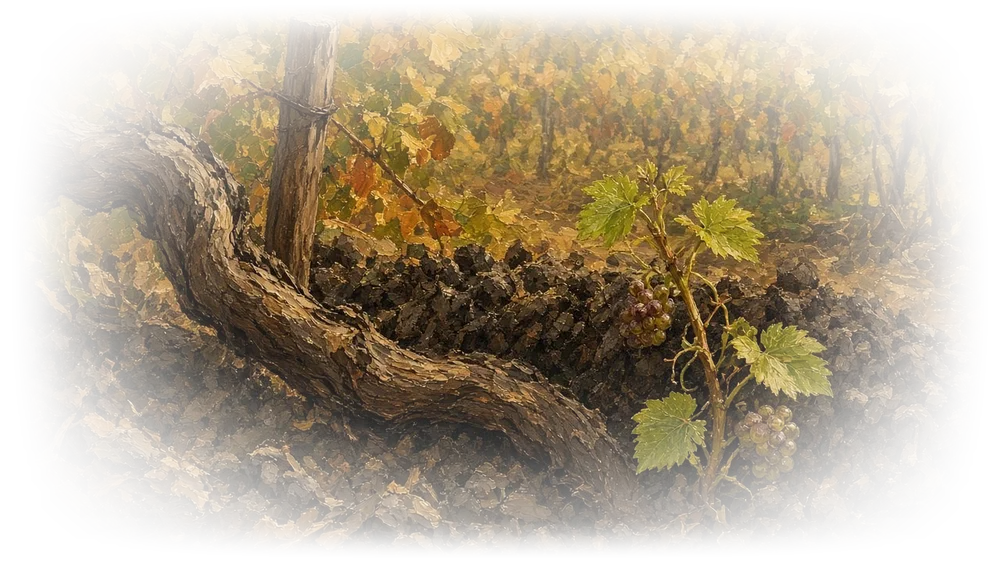
Where does the meaning “drawing down” come from? A Hebrew note in the siddur brings the Rebbe’s maamar (Sefer HaMaamarim Melukat, vol. 2, as cited): בְּרָכָה, blessing, is related to the farmer who הַמַּבְרִיךְ אֶת הַגֶּפֶן, who bends a branch of the vine down into the earth, so that it takes root and draws new life from below. A blessing bends the light down to where we are.
שֶׁהוּא עַל־יְדֵי הַמְשָׁכַת אוֹר־אֵין־סוֹף בְּחָכְמָה עִילָּאָה הַמְלוּבֶּשֶׁת בָּהֶן,כִּי בְּרָכָה הִיא מִלְּשׁוֹן הַמְשָׁכָה וּכְמוֹ הַמַּבְרִיךְ אֶת הַגֶּפֶן
Tanya, Kuntres Acharon, Essay 5 (Lessons in Tanya, Kehot, on Chabad.org) · Hebrew text and English translation; quoted · chabad.org/…/aid/1054287
The Torah is already one with Hashem. What does the bracha add?
In chapter 4 of Tanya the Alter Rebbe writes that the Torah, in its source, is G‑d’s will and wisdom, and quotes the Zohar: וְאוֹרַיְיתָא וְקוּדְשָׁא־בְּרִיךְ־הוּא כּוּלָּא חַד, “Torah is one and the same with G‑d.” The Lessons in Tanya explain: “The Torah, being G‑d’s intellect, is thus one with G‑d Himself, and when a Jew understands and unites himself with it, he is united with G‑d Himself.” And the Torah came down to us like water: “Therefore has the Torah been compared to water, for just as water descends from a higher level to a lower level,” so the Torah descended כָּךְ הַתּוֹרָה יָרְדָה מִמְּקוֹם כְּבוֹדָהּ, from its place of glory, down to the laws of this world.
If so, why does the Torah need a bracha? The siddur’s commentary answers: “the Torah is always one with G‑d … Nevertheless, that oneness is not necessarily revealed. When G‑d’s Essence is drawn into the Torah, its G‑dly nature is reflected in every aspect of its teachings.” And how is that done? “Through bittul, i.e., through a person committing himself to G‑d in a manner that transcends his individual self.” That is why, the commentary adds, Chassidus connects blessing the Torah with prayer, for in prayer a person goes beyond his own concerns.
וְאוֹרַיְיתָא וְקוּדְשָׁא־בְּרִיךְ־הוּא כּוּלָּא חַדכָּךְ הַתּוֹרָה יָרְדָה מִמְּקוֹם כְּבוֹדָהּ,
Chabad.org, Online Siddur with Commentary (Siddur Illuminated by Chassidus, Sichos in English): Al Divrei Torah · commentary on בָּרוּךְ; quoted from the English · chabad.org/torah-texts/2349785
A spring, or a pool?
When a person learns this way, the commentary continues, the Torah becomes an “elixir of life”, and it quotes the Bach: “His soul becomes bonded with the holiness and the spirituality of the essence of the Torah, its very source.”
A Hebrew note in the siddur brings a sicha of the Rebbe (Toras Menachem, vol. 2, 5711, pp. 119–120, as cited) with a picture. Torah learned after the bracha, lishmah, when one feels the connection to the Giver of the Torah, is בְּדוּגְמַת מֵי מַעְיָן, מַיִם חַיִּים שֶׁמְּחוּבָּרִים לִמְקוֹרָם, “like the water of a spring, living water joined to its source.” Torah learned while forgetting the Giver is like the water of a mikveh pool: water, but not living water joined to its source. And there the Rebbe adds that in learning Chassidus, whose very subject is G‑dliness, the connection to the Giver of the Torah comes by itself, like spring water that is always joined to its source.
בְּדוּגְמַת מֵי מַעְיָן, מַיִם חַיִּים שֶׁמְּחוּבָּרִים לִמְקוֹרָם

“Who chose us … and gave us His Torah”
Rav Hamnuna called this bracha “the finest of the blessings”. The siddur’s commentary explains its first words: “Our connection to the Torah is not an accidental quirk of circumstance, as it were. Nor is it a result of our innate intellectual abilities or endeavors to reach spiritual refinement. Rather, it comes solely as a result of G‑d’s choice.” In the Hebrew of the Rebbe’s sicha (Toras Menachem, vol. 22, p. 144, as cited): שֶׁהַתּוֹרָה נִמְצֵאת אֶצְלֵנוּ לֹא בְּדֶרֶךְ מִקְרֶה, “the Torah is with us not by chance”, but because He chose, בְּחִירָה, a free choice.
And “His Torah”: “When a person studies the Torah, he must realize that it is “His Torah,” i.e., G‑d’s wisdom that is entirely above mortal comprehension.” How can a person grasp it? Through bittul, which “makes it possible for him to grasp the Torah that G‑d Himself studies, as it were.”
שֶׁהַתּוֹרָה נִמְצֵאת אֶצְלֵנוּ לֹא בְּדֶרֶךְ מִקְרֶה
“Who gives”: the Torah is given today
The bracha does not end “Who gave the Torah”, but נוֹתֵן הַתּוֹרָה, “Who gives the Torah”, in the present tense. The commentary explains: “at every moment, the Torah is being drawn down anew from its source and root.” A Hebrew note brings the Rebbe Maharash (Toras Shmuel 5629, p. 117, as cited): just as there is a going out of Egypt every day, so there is a giving of the Torah every day. And: “The concept of the continuous renewal of the Torah is a corollary of the concept that the Torah emanates from G‑d’s Essence. For His Essence is above all conception of time, truly timeless.”
So a person should learn as Israel stood at Sinai. The Gemara (Moed Katan 15a) learns this from the verse about “the day you stood before Hashem your G‑d at Chorev”: מָה לְהַלָּן בְּאֵימָה וּבְיִרְאָה וּבִרְתֵת וּבְזִיעַ, “just as there it was with awe, with fear, with trembling and with sweat”, so too here. A Hebrew note in the siddur (a sicha of the Rebbe, as cited) joins the two: because the Torah is given today, in the present tense, it should be learned today with the awe of the giving of the Torah.
מָה לְהַלָּן בְּאֵימָה וּבְיִרְאָה וּבִרְתֵת וּבְזִיעַ,
Chabad.org, Online Siddur with Commentary (Siddur Illuminated by Chassidus, Sichos in English): Al Divrei Torah · commentary, “at every moment”, quoted from the English; Hebrew note (Toras Menachem) on learning with awe as at Sinai, paraphrased, as cited · chabad.org/torah-texts/2349785
Talmud, Moed Katan 15a · Gemara text via Sefaria; quoted · sefaria.org/Moed_Katan.15a
Not like the bracha over a mitzvah
Before most mitzvos we say a short bracha, and that is all. Why do the Torah brachos have three brachos, a request, and a whole spread of praise? The siddur’s commentary answers: “The blessings recited before other mitzvos are blessings of thanksgiving … The blessings recited before Torah study have a more encompassing purpose: they praise and highlight the fundamental nature of the Torah itself.”
The translators of the Alter Rebbe’s Shulchan Aruch say the same (47:4, note 19): “These two blessings venerate the Torah itself and highlight our appreciation of its study”, and they point to a likeness between these brachos and the brachos over enjoyment (citing Likkutei Sichos, vol. 14, pp. 148–149, as cited).
Enjoyment, like food. We saw that the Gemara compares the Torah to food and then calls it “eternal life.” And the Alter Rebbe writes in chapter 5 of Tanya that because the Torah is taken into a person’s mind and becomes one with it, “it is therefore called the ‘bread’ and ‘food’ of the soul.”
לָכֵן נִקְרֵאת בְּשֵׁם "לֶחֶם" וּ"מְזוֹן הַנֶּפֶשׁ".
Shulchan Aruch HaRav, Orach Chaim 47:4, translators’ note 19 (tr. Rabbi Eliyahu Touger and Uri Kaploun, Sichos in English) · quoted from the English; Likkutei Sichos 14 as cited there · chabad.org/…/aid/3285912
Talmud, Berachos 21a · Gemara text via Sefaria; quoted · sefaria.org/Berakhot.21a
Tanya, Likkutei Amarim, ch. 5 (Lessons in Tanya, Kehot, on Chabad.org) · Hebrew text and English translation; quoted · chabad.org/…/aid/7884
“For its own sake”, לִשְׁמָהּ
The second bracha ends its request with one word: לִשְׁמָהּ, that we and our children should learn Torah “for its own sake.” What does that mean? The Alter Rebbe defines it in chapter 5 of Tanya (quoted in Hebrew below): “‘For its own sake’ is [study] with the intent of binding one’s soul to G‑d by comprehending the Torah.”
And the Alter Rebbe ties it to the bracha in his Shulchan Aruch (47:1): saying the brachos with joy shows that a person learns lishmah, and so he will merit what he asks for in the bracha itself, “and may we and our descendants…”, as the prophet says: “[the words I placed in your mouth] will not depart from your mouth nor from the mouth of your descendants” (Yeshayahu 59:21).
וְ"לִשְׁמָהּ", הַיְינוּ כְּדֵי לְקַשֵּׁר נַפְשׁוֹ לַה' עַל יְדֵי הַשָּׂגַת הַתּוֹרָה,לֹא יָמוּשׁוּ מִפִּיךָ וּמִפִּי זַרְעֲךָ וּמִפִּי זֶרַע זַרְעֲךָ
Shulchan Aruch HaRav, Orach Chaim 47:1 (tr. Rabbi Eliyahu Touger and Uri Kaploun, Sichos in English) · quoted from the English · chabad.org/…/aid/3285912
Yeshayahu 59:21 · Hebrew text via Sefaria · sefaria.org/Isaiah.59.21
A small Mattan Torah every morning
In a public letter before Shavuos 5743 (1983), the Rebbe took the two words נוֹתֵן הַתּוֹרָה and drew from them a way to live each day. Shavuos comes once a year; but the bracha we say every morning speaks in the present tense. He writes:
“The Three Days of Preparation and the Festival of the Giving of our Torah indeed come once a year, but there is a small-scale version of this preparation and of Mattan Torah every day. As is known the explanation of the precise wording of the conclusion of Birchas HaTorah—recited in the Morning Blessings each day and likewise when receiving an Aliyah to the Torah—is Nosein HaTorah, Giver of the Torah, in the present tense, meaning, that each day the Torah is given anew, which automatically means that a preparation for this is also necessary, and indeed our Sages have said and instructed, “Every day they should be (as) new in your eyes.””
— The Rebbe, Shavuos letter of 5743 (1983), “Preparing to Receive the Torah Today” (English translation, Kehot, on Chabad.org; footnote numbers omitted)
Connections of my own
These are my own connections, not the words of the Rebbe’s letter.
Sweet, like honey. In וְהַעֲרֶב נָא we ask that the words of Torah be pleasant, sweet, in our mouth. Dovid HaMelech says it in Tehillim (119:103): מַה נִּמְלְצוּ לְחִכִּי אִמְרָתֶךָ מִדְּבַשׁ לְפִי, “How pleasant are Your words to my palate, more than honey to my mouth.” If the Torah is given new each morning, then each morning we may ask to taste it as if for the first time.
Three mouths. The bracha says “in our mouth, and in the mouth of all Your people”, and then speaks of “our descendants”. The verse the Alter Rebbe brings says “from your mouth, from the mouth of your descendants, and from the mouth of your descendants’ descendants.” The Torah of the brachos lives in the mouth, in speech, and passes from mouth to mouth down the generations.
Preparation is part of the gift. The letter says that a daily giving needs a daily preparation. I see the three brachos themselves as that preparation: first I say that Hashem commanded me, then I ask for sweetness, then I remember that He chose me. Only then do I open a book.
Yeshayahu 59:21 · Hebrew text via Sefaria · sefaria.org/Isaiah.59.21
Birchos HaTorah, line by line
| Hebrew | Transliteration | Meaning |
|---|---|---|
| בָּרוּךְ אַתָּה יְיָ, אֱלֹהֵֽינוּ מֶֽלֶךְ הָעוֹלָם, | Boruch Ato Ado-noi, Elo-keinu Melech ho’olom, | Blessed are You, Hashem, our G‑d, King of the universe, |
| אֲשֶׁר קִדְּשָֽׁנוּ בְּמִצְוֹתָיו, וְצִוָּֽנוּ | asher kid’shonu b’mitzvosov, v’tzivonu | Who has sanctified us with His commandments, and commanded us |
| עַל דִּבְרֵי תוֹרָה: | al divrei Soroh. | concerning the words of Torah. |
| וְהַעֲרֶב נָא יְיָ אֱלֹהֵֽינוּ אֶת דִּבְרֵי תוֹרָתְךָ בְּפִֽינוּ, | V’ha’arev no Ado-noi Elo-keinu es divrei Soros’cho b’finu, | Please, Hashem our G‑d, make the words of Your Torah pleasant in our mouth, |
| וּבְפִי כָל עַמְּךָ בֵּית יִשְׂרָאֵל, | uv’fi chol am’cho beis Yisroel, | and in the mouth of all Your people, the House of Israel, |
| וְנִהְיֶה אֲנַֽחְנוּ וְצֶאֱצָאֵֽינוּ, וְצֶאֱצָאֵי כָל עַמְּךָ בֵּית יִשְׂרָאֵל, | v’nih’yeh anachnu v’tze’etzo’einu, v’tze’etzo’ei chol am’cho beis Yisroel, | and may we and our descendants, and the descendants of all Your people, the House of Israel, |
| כֻּלָּֽנוּ יוֹדְעֵי שְׁמֶֽךָ וְלוֹמְדֵי תוֹרָתְךָ לִשְׁמָהּ. | kulonu yod’ei sh’mecho v’lom’dei Soros’cho lishmoh. | all of us, know Your Name and learn Your Torah for its own sake. |
| בָּרוּךְ אַתָּה יְיָ, הַמְלַמֵּד תּוֹרָה לְעַמּוֹ יִשְׂרָאֵל: | Boruch Ato Ado-noi, ham’lameid Toroh l’amo Yisroel. | Blessed are You, Hashem, Who teaches Torah to His people Israel. |
| בָּרוּךְ אַתָּה יְיָ, אֱלֹהֵֽינוּ מֶֽלֶךְ הָעוֹלָם, | Boruch Ato Ado-noi, Elo-keinu Melech ho’olom, | Blessed are You, Hashem, our G‑d, King of the universe, |
| אֲשֶׁר בָּֽחַר בָּֽנוּ מִכָּל הָעַמִּים וְנָֽתַן לָֽנוּ אֶת תּוֹרָתוֹ. | asher bochar bonu mikol ho’amim v’nosan lonu es Toroso. | Who chose us from all the nations and gave us His Torah. |
| בָּרוּךְ אַתָּה יְיָ, נוֹתֵן הַתּוֹרָה: | Boruch Ato Ado-noi, nosein haToroh. | Blessed are You, Hashem, Who gives the Torah. |
Notice the spelling in the transliteration: after a word ending in a vowel, the ת of תוֹרָה has no dagesh, and we read Soroh in עַל דִּבְרֵי תוֹרָה and Soros’cho in דִּבְרֵי תוֹרָתְךָ; after a word ending in a consonant, as in הַמְלַמֵּד תּוֹרָה, it has a dagesh: Toroh (§G19). And the meteg, as in בְּפִֽינוּ and כֻּלָּֽנוּ, shows where the stress falls (§G29).
Al Divrei Sorah
The opening line is the one you know from Lesson 2. The words קִדְּשָֽׁנוּ בְּמִצְוֹתָיו, וְצִוָּֽנוּ are those of every bracha over a mitzvah (§G12). Two words are new.
אֲשֶׁר קִדְּשָֽׁנוּ בְּמִצְוֹתָיו, וְצִוָּֽנוּעַל דִּבְרֵי תוֹרָה:
| דִּבְרֵי | = | ◌י | + | דִּבְרֵ |
| divrei the words of | plural, “of” | d’var-, word |
| תוֹרָה | = | ◌ה | + | תוֹרָ |
| Soroh Torah | feminine | tor-, teaching |
V’ha’arev Na
A request, full of “our” and “Your”: our mouth, our descendants, all of us; Your Torah, Your people, Your Name.
וְהַעֲרֶב נָא יְיָ אֱלֹהֵֽינוּ אֶת דִּבְרֵי תוֹרָתְךָ בְּפִֽינוּ,וּבְפִי כָל עַמְּךָ בֵּית יִשְׂרָאֵל,וְנִהְיֶה אֲנַֽחְנוּ וְצֶאֱצָאֵֽינוּ, וְצֶאֱצָאֵי כָל עַמְּךָ בֵּית יִשְׂרָאֵל,כֻּלָּֽנוּ יוֹדְעֵי שְׁמֶֽךָ וְלוֹמְדֵי תוֹרָתְךָ לִשְׁמָהּ.
| וְהַעֲרֶב | = | הַעֲרֶב | + | וְ |
| v’ha’arev and make pleasant | hif’il command: make sweet | and |
| נָא | = | נָא |
| no please | please, now |
| תוֹרָתְךָ | = | ◌ךָ | + | תוֹרָתְ |
| Soros’cho Your Torah | your | Torah |
| בְּפִֽינוּ | = | ◌נוּ | + | פִֽי | + | בְּ |
| b’finu in our mouth | our | pi-, mouth | in |
| וּבְפִי | = | פִי | + | בְ | + | וּ |
| uv’fi and in the mouth of | mouth of | in | and |
| עַמְּךָ | = | ◌ךָ | + | עַמְּ |
| am’cho Your people | your | am, people |
| בֵּית | = | בֵּית |
| beis the house of | house of |
| וְנִהְיֶה | = | הְיֶה | + | נִ | + | וְ |
| v’nih’yeh and may we be | be | we (future) | and |
| אֲנַֽחְנוּ | = | אֲנַֽחְנוּ |
| anachnu we | we |
| וְצֶאֱצָאֵֽינוּ | = | ◌נוּ | + | צֶאֱצָאֵֽי | + | וְ |
| v’tze’etzo’einu and our descendants | our | offspring (plural) | and |
| כֻּלָּֽנוּ | = | ◌נוּ | + | כֻּלָּֽ |
| kulonu all of us | us | kul-, all |
| יוֹדְעֵי | = | ◌י | + | יוֹדְעֵ |
| yod’ei knowers of | plural, “of” | knowing |
| שְׁמֶֽךָ | = | ◌ךָ | + | שְׁמֶֽ |
| sh’mecho Your Name | your | shem, name |
| וְלוֹמְדֵי | = | ◌י | + | לוֹמְדֵ | + | וְ |
| v’lom’dei and learners of | plural, “of” | learning | and |
| לִשְׁמָהּ | = | ◌הּ | + | שְׁמָ | + | לִ |
| lishmoh for its own sake | its (her) | name, sake | for |
| הַמְלַמֵּד | = | מְלַמֵּד | + | הַ |
| ham’lameid Who teaches | pi’el present: teaches | the One Who |
| לְעַמּוֹ | = | ◌וֹ | + | עַמּ | + | לְ |
| l’amo to His people | his | people | to |
Asher Bochar Bonu
Two verbs in the past, “chose” and “gave”, and a closing in the present, “gives”.
אֲשֶׁר בָּֽחַר בָּֽנוּ מִכָּל הָעַמִּים וְנָֽתַן לָֽנוּ אֶת תּוֹרָתוֹ.בָּרוּךְ אַתָּה יְיָ, נוֹתֵן הַתּוֹרָה:
| בָּֽחַר | = | בָּֽחַר |
| bochar He chose | chose |
| בָּֽנוּ | = | ◌נוּ | + | בָּֽ |
| bonu us | us | in, on |
| מִכָּל | = | כָּל | + | מִ |
| mikol from all | all | from |
| הָעַמִּים | = | ◌ים | + | עַמִּ | + | הָ |
| ho’amim the nations | plural | people | the |
| וְנָֽתַן | = | נָֽתַן | + | וְ |
| v’nosan and gave | gave | and |
| לָֽנוּ | = | ◌נוּ | + | לָֽ |
| lonu to us | us | to |
| תּוֹרָתוֹ | = | ◌וֹ | + | תּוֹרָת |
| Toroso His Torah | his | Torah |
| נוֹתֵן | = | נוֹתֵן |
| nosein gives | giving |
| הַתּוֹרָה | = | ◌ה | + | תּוֹרָ | + | הַ |
| haToroh the Torah | feminine | Torah | the |
Part 2 of this lesson: the first Torah of the day
This lesson has two parts. Part 1 was the three brachos over the Torah. Part 2, which begins here, is the Torah we learn right after them: the verses of Birkas Kohanim, the Priestly Blessing, and the passage Eilu Devorim. Each part has its own history, text and word-by-word study; the grammar and review at the end cover both.
Why learn right away?
A bracha over a mitzvah should be followed by the mitzvah. Some authorities hold that with Torah study a break does not matter, since a Jew is obligated to learn at all times. But the Alter Rebbe writes (Shulchan Aruch HaRav 47:7) that it is proper to take into account those who disagree and to make no break at all, “as is the practice with regard to the other mitzvos. Thus it has become customary to recite the Priestly Blessing directly after the blessings over Torah study.”
He adds a detail: “Since [this passage] is being recited as study (and not as a remembrance of the Priestly Blessing) it may be recited even before the morning dawns, even though the Priestly Blessing is not conferred at night.” We say it as Torah, not as the kohanim’s blessing itself. The Shulchan Aruch (Orach Chaim 47:9) records the same custom: וכן נהגו לומר פרשת ברכת כהנים סמוך לברכת התורה, “and so it is the custom to say the passage of Birkas Kohanim right after the blessing of the Torah.”
Our siddur then adds Eilu Devorim. Here is what I notice, as my own observation: after the brachos we say verses from the Written Torah, then words of the Mishnah, then a teaching found in the Gemara; and the Alter Rebbe writes (47:2) that the bracha covers Scripture, Mishnah and Talmud alike.
לוֹמַר בִּרְכַּת כֹּהֲנִים סָמוּךְ לְבִרְכַּת הַתּוֹרָהוכן נהגו לומר פרשת ברכת כהנים סמוך לברכת התורה
Shulchan Aruch, Orach Chaim 47:5 and 47:9 · Hebrew text via Sefaria; quoted · sefaria.org/Shulchan_Arukh,_Orach_Chayim.47
Birkas Kohanim: the blessing and the One Who blesses
The verses come from Bamidbar 6:22–27. Hashem tells Moshe to tell Aharon and his sons, the kohanim: “This is how you shall bless the children of Israel.” In the Beis HaMikdash, the Mishnah quoted in Berachos 11b tells us, the kohanim in the morning service “blessed the people with three blessings: Emes V’yatziv, the Avodah, and Birkas Kohanim.”
The last verse makes clear who really gives the blessing: “They shall place My Name upon the children of Israel, וַאֲנִי אֲבָרֲכֵם, and I will bless them.” The kohanim say the words; Hashem blesses.
The siddur’s commentary explains what is special here: “The Priestly Blessing is unique in that it combines both the advantage of prayer — that it draws down new influence from a level beyond all limitation and structure — and that of blessing — that the influence is drawn down directly to this material realm without interference.” In the Yiddish note behind this (Likkutei Sichos, vol. 39, p. 378) the Rebbe adds that this is why Birkas Kohanim is said every day before the prayers: as a preparation, so that what prayer draws down reaches this world without delay.
וּבֵרְכוּ אֶת הָעָם שָׁלֹשׁ בְּרָכוֹת, ״אֱמֶת וְיַצִּיב״, וַעֲבוֹדָה, וּבִרְכַּת כֹּהֲנִים.
Talmud, Berachos 11b · Gemara text via Sefaria; quoted · sefaria.org/Berakhot.11b
Chabad.org, Online Siddur with Commentary (Siddur Illuminated by Chassidus, Sichos in English): Yevorechechah Hashem · commentary on יְבָרֶכְךָ יְיָ, quoted from the English; Yiddish note quoting Likkutei Sichos, vol. 39, p. 378, paraphrased · chabad.org/torah-texts/2349789
Three, five, seven
Count the words of the three blessings, as they stand in the siddur:
- יְבָרֶכְךָ יְיָ וְיִשְׁמְרֶֽךָ: three words;
- יָאֵר יְיָ | פָּנָיו אֵלֶֽיךָ, וִיחֻנֶּֽךָּ: five words;
- יִשָּׂא יְיָ | פָּנָיו אֵלֶֽיךָ, וְיָשֵׂם לְךָ שָׁלוֹם: seven words.
This is my own observation, not a teaching I am quoting: the blessing grows as it goes, and it ends with שָׁלוֹם, peace. Notice too the small vertical line after the Name in the second and third verses. It is a pasek, a sign of a short pause: we stop for a moment after the Name before going on to פָּנָיו.
Eilu Devorim: a Mishnah and a Gemara woven together
The passage begins with the very first Mishnah of the tractate Peah: “These are the things that have no fixed measure: pei’oh, the corner of the field left for the poor; bikurim, the first fruits brought to the Beis HaMikdash; re’ayon, appearing there on the festivals; acts of kindness; and the study of Torah.” The Mishnah continues: “These are the things whose fruits a person eats in this world, while the principal remains for him in the World to Come”, and it lists honoring father and mother, acts of kindness, bringing peace between a person and his fellow, “and the study of Torah is equal to them all.”
Our siddur’s second list is longer. The Gemara in Shabbos 127a brings, in the name of Rabbi Yochanan, “six things whose fruits a person eats in this world”: welcoming guests, visiting the sick, concentration in prayer, coming early to the house of study, raising one’s children to Torah study, and judging one’s fellow favorably. The siddur takes four of these into its list (welcoming guests, visiting the sick, concentrating in prayer, and coming early to the house of study, to which it adds “morning and evening”). It also includes three that I did not find in either of these two texts: helping a bride to marry, escorting the dead, and peace “between a man and his wife”.
Small differences in wording, too: the Mishnah has פֵּרוֹתֵיהֶן, the siddur פֵּרוֹתֵיהֶם; the Mishnah says the principal remains “for him”, לוֹ, which the siddur does not have; and where the Mishnah, as printed in my edition, has “peace between a person and his fellow”, the siddur says שֶׁבֵּין, as the Gemara does when it quotes the Mishnah.
And the list ends where the morning began: וְתַלְמוּד תּוֹרָה כְּנֶֽגֶד כֻּלָּם. That the passage opens and closes with Torah study is my own observation; that Torah study is equal to them all is the Mishnah’s.
אֵלּוּ דְבָרִים שֶׁאָדָם אוֹכֵל פֵּרוֹתֵיהֶן בָּעוֹלָם הַזֶּה וְהַקֶּרֶן קַיֶּמֶת לוֹ לָעוֹלָם הַבָּא.שִׁשָּׁה דְבָרִים אָדָם אוֹכֵל פֵּירוֹתֵיהֶן בָּעוֹלָם הַזֶּה וְהַקֶּרֶן קַיֶּימֶת לוֹ לָעוֹלָם הַבָּא
Talmud, Shabbos 127a · Gemara text via Sefaria; compared · sefaria.org/Shabbat.127a
Chabad.org, Online Siddur: Eilu Devarim · Siddur Tehillat Hashem text; checked word by word Nov 2–3, 2026 · chabad.org/torah-texts/2349791
Birkas Kohanim, line by line
| Hebrew | Transliteration | Meaning |
|---|---|---|
| וַיְדַבֵּר יְיָ אֶל מֹשֶׁה לֵּאמֹר: דַּבֵּר אֶל אַהֲרֹן וְאֶל בָּנָיו לֵאמֹר, | Vay’dabeir Ado-noi el Moshe leimor: Dabeir el Aharon v’el bonov leimor, | Hashem spoke to Moshe, saying: Speak to Aharon and to his sons, saying: |
| כֹּה תְבָרֲכוּ אֶת בְּנֵי יִשְׂרָאֵל, אָמוֹר לָהֶם: | Koh s’vor’chu es b’nei Yisroel, omor lohem: | This is how you shall bless the children of Israel; say to them: |
| יְבָרֶכְךָ יְיָ וְיִשְׁמְרֶֽךָ: | Y’vorech’cho Ado-noi v’yishm’recho. | May Hashem bless you and guard you. |
| יָאֵר יְיָ | פָּנָיו אֵלֶֽיךָ, וִיחֻנֶּֽךָּ: | Yo’eir Ado-noi ponov eilecho vichuneko. | May Hashem make His countenance shine upon you and be gracious to you. |
| יִשָּׂא יְיָ | פָּנָיו אֵלֶֽיךָ, וְיָשֵׂם לְךָ שָׁלוֹם: | Yiso Ado-noi ponov eilecho, v’yoseim l’cho sholom. | May Hashem turn His countenance toward you and grant you peace. |
| וְשָׂמוּ אֶת שְׁמִי עַל בְּנֵי יִשְׂרָאֵל, וַאֲנִי אֲבָרֲכֵם: | V’somu es sh’mi al b’nei Yisroel, va’ani avor’cheim. | They shall place My Name upon the children of Israel, and I will bless them. |
Two small differences from the Chumash as I checked it: our siddur prints תְבָרֲכוּ and אֲבָרֲכֵם with a chataf patach under the reish, where the Chumash text has a plain sheva. And in the siddur the first לֵּאמֹר has a dagesh in the lamed, after the word מֹשֶׁה, just as in the verse.
Bamidbar 6:22–27 · Hebrew text via Sefaria · sefaria.org/Numbers.6.22-27
Eilu Devorim, line by line
| Hebrew | Transliteration | Meaning |
|---|---|---|
| אֵֽלּוּ דְבָרִים שֶׁאֵין לָהֶם שִׁעוּר: | Eilu d’vorim she’ein lohem shiur: | These are the things that have no fixed measure: |
| הַפֵּאָה, וְהַבִּכּוּרִים, | ha’pei’oh, v’habikurim, | the corner of the field, the first fruits, |
| וְהָרְאָיוֹן, וּגְמִילוּת חֲסָדִים, וְתַלְמוּד תּוֹרָה: | v’hora’ayon, ug’milus chasodim, v’salmud Toroh. | appearing [at the Beis HaMikdash on the festivals], acts of kindness, and the study of Torah. |
| אֵֽלּוּ דְבָרִים שֶׁאָדָם אוֹכֵל פֵּרוֹתֵיהֶם בָּעוֹלָם הַזֶּה | Eilu d’vorim she’odom ocheil peiroseihem bo’olom hazeh | These are the things whose fruits a person eats in this world |
| וְהַקֶּֽרֶן קַיֶּֽמֶת לָעוֹלָם הַבָּא, וְאֵֽלּוּ הֵן: | v’hakeren kayemes lo’olom habo, v’eilu hein: | while the principal remains for him in the World to Come, and these are they: |
| כִּבּוּד אָב וָאֵם, וּגְמִילוּת חֲסָדִים, | kibud ov vo’eim, ug’milus chasodim, | honoring father and mother, acts of kindness, |
| וְהַשְׁכָּמַת בֵּית הַמִּדְרָשׁ שַׁחֲרִית וְעַרְבִית, | v’hashkomas beis hamidrosh shacharis v’arvis, | coming early to the house of study, morning and evening, |
| וְהַכְנָסַת אוֹרְחִים, וּבִקּוּר חוֹלִים, וְהַכְנָסַת כַּלָּה, וְהַלְוָיַת הַמֵּת, | v’hachnosas or’chim, uvikur cholim, v’hachnosas kaloh, v’halvoyas hameis, | welcoming guests, visiting the sick, helping a bride to marry, escorting the dead, |
| וְעִיּוּן תְּפִלָּה, וַהֲבָאַת שָׁלוֹם שֶׁבֵּין אָדָם לַחֲבֵרוֹ, | v’iyun t’filoh, vahavo’as sholom shebein odom lachaveiro, | concentrating in prayer, bringing peace between a person and his fellow, |
| וּבֵין אִישׁ לְאִשְׁתּוֹ, | uvein ish l’ishto, | and between a man and his wife; |
| וְתַלְמוּד תּוֹרָה כְּנֶֽגֶד כֻּלָּם: | v’salmud Toroh k’neged kulom. | and the study of Torah is equal to them all. |
The meteg in אֵֽלּוּ and וְהַקֶּֽרֶן shows the stress: EI-lu, ha-KE-ren (§G29).
“Speak to Aharon”
The introduction: Hashem speaks, Moshe is told to speak, the kohanim are told how to bless.
וַיְדַבֵּר יְיָ אֶל מֹשֶׁה לֵּאמֹר: דַּבֵּר אֶל אַהֲרֹן וְאֶל בָּנָיו לֵאמֹר,כֹּה תְבָרֲכוּ אֶת בְּנֵי יִשְׂרָאֵל, אָמוֹר לָהֶם:
| וַיְדַבֵּר | = | דַבֵּר | + | יְ | + | וַ |
| vay’dabeir and He spoke | pi’el: speak | he (future form) | turning vav |
| לֵּאמֹר | = | אמֹר | + | לֵּ |
| leimor saying | say | to |
| דַּבֵּר | = | דַּבֵּר |
| dabeir speak! | pi’el command |
| בָּנָיו | = | ◌יו | + | בָּנָ |
| bonov his sons | his (plural noun) | sons |
| תְבָרֲכוּ | = | ◌וּ | + | בָרֲכ | + | תְ |
| s’vor’chu you shall bless | plural | bless | you (future) |
| בְּנֵי | = | ◌י | + | בְּנֵ |
| b’nei the children of | plural, “of” | sons |
| אָמוֹר | = | אָמוֹר |
| omor say | saying: as a command |
| לָהֶם | = | ◌הֶם | + | לָ |
| lohem to them | them | to |
The three blessings, and “I will bless them”
Almost every verb here is a future used as a wish, “may He…”, and almost every one ends in “you” (§G30).
יְבָרֶכְךָ יְיָ וְיִשְׁמְרֶֽךָ:יָאֵר יְיָ | פָּנָיו אֵלֶֽיךָ, וִיחֻנֶּֽךָּ:יִשָּׂא יְיָ | פָּנָיו אֵלֶֽיךָ, וְיָשֵׂם לְךָ שָׁלוֹם:וְשָׂמוּ אֶת שְׁמִי עַל בְּנֵי יִשְׂרָאֵל, וַאֲנִי אֲבָרֲכֵם:
| יְבָרֶכְךָ | = | ◌ךָ | + | בָרֶכְ | + | יְ |
| y’vorech’cho may He bless you | you | bless | he (future) |
| וְיִשְׁמְרֶֽךָ | = | ◌ךָ | + | שְׁמְרֶֽ | + | יִ | + | וְ |
| v’yishm’recho and guard you | you | guard | he (future) | and |
| יָאֵר | = | אֵר | + | יָ |
| yo’eir may He shine | shine | he (future) |
| פָּנָיו | = | ◌יו | + | פָּנָ |
| ponov His countenance | his | face |
| אֵלֶֽיךָ | = | ◌ךָ | + | אֵלֶֽי |
| eilecho toward you | you | to, toward |
| וִיחֻנֶּֽךָּ | = | ◌ךָּ | + | חֻנֶּֽ | + | י | + | וִ |
| vichuneko and be gracious to you | you | be gracious | he (future) | and |
| יִשָּׂא | = | שָּׂא | + | יִ |
| yiso may He lift, turn | lift | he (future) |
| וְיָשֵׂם | = | שֵׂם | + | יָ | + | וְ |
| v’yoseim and grant | place | he (future) | and |
| לְךָ | = | ◌ךָ | + | לְ |
| l’cho to you | you | to |
| שָׁלוֹם | = | שָׁלוֹם |
| sholom peace | peace, wholeness |
| וְשָׂמוּ | = | ◌וּ | + | שָׂמ | + | וְ |
| v’somu and they shall place | they | placed | turning vav |
| שְׁמִי | = | ◌י | + | שְׁמִ |
| sh’mi My Name | my | name |
| וַאֲנִי | = | אֲנִי | + | וַ |
| va’ani and I | I | and |
| אֲבָרֲכֵם | = | ◌ם | + | בָרֲכֵ | + | אֲ |
| avor’cheim I will bless them | them | bless | I (future) |
Eilu Devorim
A list of mitzvos, nearly every one a noun that names an action (§G33).
אֵֽלּוּ דְבָרִים שֶׁאֵין לָהֶם שִׁעוּר:הַפֵּאָה, וְהַבִּכּוּרִים,וְהָרְאָיוֹן, וּגְמִילוּת חֲסָדִים, וְתַלְמוּד תּוֹרָה:כִּבּוּד אָב וָאֵם, וּגְמִילוּת חֲסָדִים,וְהַשְׁכָּמַת בֵּית הַמִּדְרָשׁ שַׁחֲרִית וְעַרְבִית,וְהַכְנָסַת אוֹרְחִים, וּבִקּוּר חוֹלִים, וְהַכְנָסַת כַּלָּה, וְהַלְוָיַת הַמֵּת,וְעִיּוּן תְּפִלָּה, וַהֲבָאַת שָׁלוֹם שֶׁבֵּין אָדָם לַחֲבֵרוֹ,
| שִׁעוּר | = | שִׁעוּר |
| shiur measure | measure |
| הַפֵּאָה | = | ◌ה | + | פֵּאָ | + | הַ |
| hapei’oh the corner | feminine | corner, edge | the |
| וְהַבִּכּוּרִים | = | ◌ים | + | בִּכּוּרִ | + | הַ | + | וְ |
| v’habikurim and the first fruits | plural | first (fruits) | the | and |
| וְהָרְאָיוֹן | = | רְאָיוֹן | + | הָ | + | וְ |
| v’hora’ayon and the appearing | seeing, appearing | the | and |
| וּגְמִילוּת | = | ◌וּת | + | גְמִיל | + | וּ |
| ug’milus and the doing of | -us: noun ending | doing, repaying | and |
| חֲסָדִים | = | ◌ים | + | חֲסָדִ |
| chasodim kindnesses | plural | kindness |
| וְתַלְמוּד | = | תַלְמוּד | + | וְ |
| v’salmud and the study of | study | and |
| אוֹכֵל | = | אוֹכֵל |
| ocheil eats | eating |
| פֵּרוֹתֵיהֶם | = | ◌הֶם | + | פֵּרוֹתֵי |
| peiroseihem their fruits | their | fruits |
| וְהַקֶּֽרֶן | = | קֶּֽרֶן | + | הַ | + | וְ |
| v’hakeren and the principal | principal, capital | the | and |
| קַיֶּֽמֶת | = | ◌ת | + | קַיֶּֽמֶ |
| kayemes remains | feminine | standing, lasting |
| כִּבּוּד | = | כִּבּוּד |
| kibud honoring | honoring |
| וְהַשְׁכָּמַת | = | ◌ת | + | הַשְׁכָּמַ | + | וְ |
| v’hashkomas and coming early to | “of” | rising early | and |
| וְהַכְנָסַת | = | ◌ת | + | הַכְנָסַ | + | וְ |
| v’hachnosas and bringing in | “of” | bringing in | and |
| אוֹרְחִים | = | ◌ים | + | אוֹרְחִ |
| or’chim guests | plural | travelers |
| וּבִקּוּר | = | בִקּוּר | + | וּ |
| uvikur and visiting | visiting | and |
| חוֹלִים | = | ◌ים | + | חוֹלִ |
| cholim the sick | plural | sick |
| וְהַלְוָיַת | = | ◌ת | + | הַלְוָיַ | + | וְ |
| v’halvoyas and escorting | “of” | accompanying | and |
| וְעִיּוּן | = | עִיּוּן | + | וְ |
| v’iyun and concentrating | close looking | and |
| וַהֲבָאַת | = | ◌ת | + | הֲבָאַ | + | וַ |
| vahavo’as and bringing | “of” | bringing | and |
| לַחֲבֵרוֹ | = | ◌וֹ | + | חֲבֵר | + | לַ |
| lachaveiro to his fellow | his | friend | to |
| כֻּלָּם | = | ◌ם | + | כֻּלָּ |
| kulom all of them | them | all |
- Lesson 1 §G2 · Hidden root letters: yud, vav and hei can change shape or drop; a dagesh can mark a merged letter
- Lesson 1 §G3 · One-letter prefixes: ve- and, be- in/with, le- to, mi- from, she- that: written joined to the next word
- Lesson 1 §G4 · Pronouns: standalone and attached: ani I, Ato You; endings -i my/me, -cho/-echo your, -einu our, -o/-ov his
- Lesson 1 §G5 · Nouns: masculine, feminine, plural: feminine -oh, which becomes -as/-os before an ending; plurals -im and -os; vowels shorten as the word grows
- Lesson 1 §G6 · Adjectives, and sentences without “is”: the adjective follows its noun and agrees with it; put first, it makes a sentence with no word for “is”
- Lesson 1 §G7 · Verb patterns (binyanim) and the hif’il: a root becomes a verb through a pattern; the hif’il means “cause to” and is marked by he- (past) or ma-/mo- (present)
- Lesson 1 §G8 · Present and past: who is speaking: the present (participle) changes for gender and number; the past adds person endings such as -ti I, -to you, -nu we
- Lesson 2 §G9 · The article: “the”: ha- plus a dagesh in the next letter; ho- before alef, ayin, reish; hidden inside be-, le-, ke-
- Lesson 2 §G10 · The construct chain: “X of Y”: two nouns side by side mean “X of Y”; the article goes on the second; feminine -oh becomes -as
- Lesson 2 §G11 · The pi’el: a doubled middle letter: the pi’el doubles the middle root letter with a dagesh; past ki-, present me-
- Lesson 2 §G12 · Endings on verbs: “us” or “we”?: an ending on a verb names the object; -onu “us” vs. -nu “we” are told apart by the vowels
- Lesson 3 §G15 · The active participle: “the One Who does”: the kal present has o after the first root letter and ei under the second: pokei’ach, zokeif; it describes an action that goes on
- Lesson 3 §G17 · Words that work as nouns: “the blind”, “the One Who”: an adjective or participle can stand alone as a noun; with ha- in front, a participle means “the One Who …”
- Lesson 3 §G18 · “Me” and “my”: -ni and -i: on a verb, -ni means “me” (osani, “made me”); on a noun, -i means “my” (tzorki); on a plural or dual noun, -ai (einai, einoi at a pause)
- Lesson 3 §G19 · Two small signs: the furtive patach and the soft letter: a patach under a final ח or ע is read before the letter (koach); בּ כּ פּ lose their dagesh after a vowel (vinoh, gover)
- Lesson 4 §G20 · The future tense: a letter in front: the future puts a prefix letter before the root: e- (א) I, ti- (ת) you or she, yi- (י) he or it, ni- (נ) we; after אִם it means “if … were to”
- Lesson 4 §G23 · The infinitive: “to do”: the infinitive names the action itself and usually takes le-: la’asos to do, la’amod to stand, l’havchin to distinguish, l’hiskayeim to survive
- Lesson 5 §G29 · “From me”: מִן with endings: the preposition מִן “from” becomes mi-/mei- before a word (§G3) and mime- before an ending: mimeni from me, meihem from them
In Lesson 4 we learned the future: a letter in front of the root (§G20). Birkas Kohanim is made almost entirely of such verbs, and almost all of them begin with the י of “he”. But a blessing does not predict; it wishes. Hebrew has no separate word for “may”: the same future form says “He will bless” and “may He bless”, and the setting decides. In a bracha, a request or a blessing, read the future as a wish.
An ending after the future. In Lesson 2 we saw that a personal ending on a past verb names the object, “He commanded us” (§G12). The future takes object endings the same way:
- יְבָרֵךְ (y’voreich), “He will bless”, with ־ךָ, “you”, becomes יְבָרֶכְךָ (y’vorech’cho), “may He bless you”;
- יִשְׁמֹר (yishmor), “He will guard”, becomes וְיִשְׁמְרֶֽךָ (v’yishm’recho), “and may He guard you”;
- וִיחֻנֶּֽךָּ (vichuneko), “and may He be gracious to you”: the root is ח־נ־ן, and the doubled nun shows in the dagesh; the final kaf too has a dot, which is rare in a final letter.
On the other side stands the closing verse: וַאֲנִי אֲבָרֲכֵם (va’ani avor’cheim), “and I will bless them”. The א in front is the “I” of the future (§G20), and the ending ־ֵם is “them” (§G34).
Hidden letters again (§G2). In יִשָּׂא (yiso), “may He lift”, the root is נ־שׂ־א: the nun is hidden in the dagesh of the שׂ. In יָאֵר (yo’eir), “may He make shine”, the root is א־ו־ר, “light”, and the middle vav does not show. In וְיָשֵׂם (v’yoseim), “and may He set”, the root is שׂ־י־ם, the root of the following verse’s וְשָׂמוּ, “they shall set”.
The same wish-future speaks for us in V’ha’arev Na: וְנִהְיֶה (v’nih’yeh), “and may we be”, with the נ of “we” (§G20).
One more thing to see: every “you” in the blessing is singular, ־ךָ, not the plural ־כֶם. The kohanim bless the whole people, and the words speak to each one.
| יְבָרֶכְךָ | y’vorech’cho | may He bless you | י + root ב־ר־ך + ־ךָ |
| וְיִשְׁמְרֶֽךָ | v’yishm’recho | and may He guard you | root שׁ־מ־ר |
| יִשָּׂא | yiso | may He lift | nun hidden in the dagesh (§G2) |
| וְנִהְיֶה | v’nih’yeh | and may we be | נ = we · V’ha’arev Na |
| אֲבָרֲכֵם | avor’cheim | I will bless them | א = I, ־ֵם = them |
A command in Hebrew is built from the future (§G20): take away the front letter of “you”, and what remains is the imperative. From תְּדַבֵּר (t’dabeir), “you will speak”, comes דַּבֵּר (dabeir), “speak!”: the first word Hashem says to Moshe in Birkas Kohanim, דַּבֵּר אֶל אַהֲרֹן, “speak to Aharon”. The doubled middle letter shows that it is a pi’el (§G11), the same pattern as וַיְדַבֵּר just before it (§G32).
In the same verse the Torah says אָמוֹר לָהֶם (omor lohem), “say to them”. אָמוֹר is not the usual imperative; it is a form that names the action itself, “saying”, with no person and no לְ (compare the infinitive of §G23, which takes לְ). Here it stands in place of a command.
Requests to Hashem. We do not command Hashem; we ask. The grammar is the same imperative, softened by נָא (no), “please, now”: וְהַעֲרֶב נָא (v’ha’arev no), “and please make pleasant”. The verb is a hif’il (§G7) of ע־ר־ב, “to be sweet, pleasant”: the hif’il turns “be sweet” into “make sweet”. The imperative of the hif’il begins with הַ (ha-); in our siddur the vowel under the ר is a segol, because the word is joined to נָא.
So in one small prayer we ask Hashem not only to give us Torah but to make it sweet in our mouth, בְּפִֽינוּ.
| דַּבֵּר | dabeir | speak! | pi’el imperative |
| אָמוֹר | omor | say (to them) | names the action; used as a command |
| וְהַעֲרֶב נָא | v’ha’arev no | and please make pleasant | hif’il imperative + נָא |

Birkas Kohanim opens with the Torah’s storytelling word: וַיְדַבֵּר (vay’dabeir), “and He spoke”. Look closely: יְדַבֵּר, with the י in front, is a future, “He will speak” (§G20). Yet the meaning is past. The reason is the vav that turns (vav hahipuch): a vav with a patach, va-, set before a future form, tells a past event. Usually the next letter takes a dagesh, as in וַיִּפַּח, “and He breathed” (Bereishis 2:7, Lesson 5); in וַיְדַבֵּר the yud has a sheva and so takes no dagesh. The same is in the verse about the Destruction in this lesson: וַיֹּאמֶר, “and He said” (Yirmeyahu 9:12).
It also works the other way. A past form with a plain וְ can speak of the future, continuing a command: וְשָׂמוּ (v’somu) is built from שָׂמוּ, “they set” (past, with -u, “they”, §G8), but here it means “and they shall set My Name upon the children of Israel”, continuing “speak” and “say” of the verses before.
Not every va- is a turning vav. In וַאֲנִי (va’ani), “and I”, the vav takes a patach only because of the chataf-patach under the א; אֲנִי is not a verb at all. And after it comes a plain future: אֲבָרֲכֵם, “I will bless them” (§G30).
A quick test when reading Torah: a va- with a future form usually tells what happened.
| וַיְדַבֵּר | vay’dabeir | and He spoke | va- + future = past |
| וַיִּפַּח | vayipach | and He breathed | Bereishis 2:7 · Lesson 5 |
| וְשָׂמוּ | v’somu | and they shall set | v’- + past = future |
| וַאֲנִי | va’ani | and I | not a turning vav |
Eilu Devorim is a list of good deeds, and Hebrew names each deed with a noun built on a verb pattern (§G7, §G11). Once you know the shapes, you can read the whole list:
From the pi’el (§G11): the doubled middle letter stays, with -i- under the first letter and וּ before the last: כִּבּוּד (kibud), “honoring”, from כ־ב־ד; בִּקּוּר (bikur), “visiting”, from ב־ק־ר; עִיּוּן (iyun), “looking deeply”, from ע־י־ן, “eye”.
From the hif’il (§G7): הַ in front and the ending ־ָה: הַכְנָסָה (hachnosoh), “bringing in”, from כ־נ־ס; הַשְׁכָּמָה (hashkomoh), “rising early”, from שׁ־כ־ם; הֲבָאָה (havo’oh), “bringing”, from ב־ו־א; הַלְוָיָה (halvoyoh), “escorting”, from ל־ו־ה. In a construct chain the ־ָה becomes ־ַת (§G10): הַכְנָסַת אוֹרְחִים (hachnosas or’chim), “the bringing in of guests”.
From the kal: the shape of נְטִילָה, “taking, washing”, which we met in נְטִילַת יָדַֽיִם (Lesson 2). In our list, גְּמִילוּת (g’milus), “doing, bestowing”, from ג־מ־ל, has the noun ending ־וּת: גְּמִילוּת חֲסָדִים, “doing kindnesses”.
With ת in front: תַּלְמוּד (talmud), “learning”, from ל־מ־ד, the root of הַמְלַמֵּד, “Who teaches”, in V’ha’arev Na. Like the nouns with מ in front (§G28), a letter before the root makes a noun.
So the list does not say “to honor”, “to visit”; it names the deeds themselves, as things one can own and count.
| כִּבּוּד | kibud | honoring | pi’el noun · כ־ב־ד |
| בִּקּוּר | bikur | visiting | pi’el noun · ב־ק־ר |
| הַכְנָסַת | hachnosas | the bringing in of | hif’il noun in a chain |
| גְּמִילוּת | g’milus | doing, bestowing | ending ־וּת |
| תַּלְמוּד | talmud | learning | ת + ל־מ־ד |
In Lesson 1 we learned the endings for “me, you, him, us” (§G4). This lesson is full of the ending for “them, their”, ם, in several shapes:
- after a preposition, ־הֶם: לָהֶם (lohem), “to them”, in אָמוֹר לָהֶם, “say to them”; and מֵהֶם, “from them”, which we met in Asher Yatzar (§G29);
- after a plural noun, ־ֵיהֶם, with the -ei- of the plural (as in §G18 -ai, “my” on a plural): פֵּרוֹתֵיהֶם (peiroseihem), “their fruits”;
- on a verb, a short ־ֵם: אֲבָרֲכֵם (avor’cheim), “I will bless them” (§G30).
“All” with an ending. The word כֹּל, “all”, has a hidden doubled lamed (root כ־ל־ל, §G2). With an ending the doubling shows as a dagesh: כֻּלָּֽנוּ (kulonu), “all of us”, in V’ha’arev Na, and כֻּלָּם (kulom), “all of them”, in the last line of Eilu Devorim: וְתַלְמוּד תּוֹרָה כְּנֶֽגֶד כֻּלָּם, “and the study of Torah is equal to them all”.
Put these beside the endings for “His” and “Your” in the same brachos, תּוֹרָתוֹ (Toroso), “His Torah”, and תּוֹרָתְךָ (Toros’cho), “Your Torah” (§G4), and you can read every ending in this lesson.
| לָהֶם | lohem | to them | preposition + ־הֶם |
| פֵּרוֹתֵיהֶם | peiroseihem | their fruits | plural noun + ־ֵיהֶם |
| כֻּלָּֽנוּ | kulonu | all of us | V’ha’arev Na |
| כֻּלָּם | kulom | all of them | Eilu Devorim |
Small words of Birchos HaTorah
| Word | Transliteration | Meaning | Root | Grammar |
|---|---|---|---|---|
| עַל | al | on, about, upon | — | “About the words of Torah”; “upon the children of Israel”. |
| נָא | no | please | — | Softens a request (§G31). |
| אֶל | el | to, toward | — | With endings like a plural noun: אֵלֶֽיךָ (§G18). |
| כֹּה | koh | thus, this is how | — | “This is how you shall bless.” |
| אֵֽלּוּ / וְאֵֽלּוּ הֵן | eilu / v’eilu hein | these / and these are | — | Plural “these”; הֵן, “they” (§G34). |
| כְּנֶֽגֶד | k’neged | equal to, facing | נ־ג־ד | כְּ, “like”, + נֶֽגֶד, “opposite” (§G3). |
| תּוֹרָה Toroh · Torah, teaching in all three brachos, and at the end of Eilu Devorim | עַמְּךָ / עַמּוֹ am’cho / amo · Your people / His people Sim Shalom, and many brachos |
| שָׁלוֹם sholom · peace the end of the Amidah and of Kaddish | פָּנָיו / פָּנֶֽיךָ ponov / ponecho · His / Your countenance “Yehi rotzon milfonecho”, and the Amidah |
| חֶֽסֶד / חֲסָדִים chesed / chasodim · kindness / kindnesses the first bracha of the Amidah | יִשְׂרָאֵל Yisro’eil · Israel Shema Yisro’eil |
- Berachos 11b brings several wordings for the blessing over the Torah. Which ones, from which Sages, and what does the Gemara conclude?
- Which verse does the Gemara in Berachos 21a use as a source for blessing before learning? And how does Yirmeyahu’s verse explain the destruction of the land?
- Why does the first bracha say לַעֲסוֹק, “to be occupied”, in some versions and עַל דִּבְרֵי תוֹרָה in ours? What does each wording stress?
- What does “bracha” have to do with a vine branch bent into the ground? What do we draw down when we bless before learning?
- Why does the third bracha say נוֹתֵן, “Who gives”, in the present? Use the commentary and the verse in Yeshayahu 59:21.
- According to Tanya, chapters 4 and 5, how does a Jew become one with Hashem through learning?
- Why do we say Birkas Kohanim and Eilu Devorim right after the brachos (Shulchan Aruch HaRav 47:7)? And why may we say Birkas Kohanim before dawn?
- According to the commentary, what two advantages does Birkas Kohanim combine?
- Compare Eilu Devorim with the Mishnah in Peah and the Gemara in Shabbos 127a. Which items come from each, and which did we not find in either?
- Split יְבָרֶכְךָ into its parts; then do the same for וִיחֻנֶּֽךָּ and for אֲבָרֲכֵם. Who is doing what to whom, and why is a future a wish here? → see §G30, Lesson 4 §G20, §G34
- Find two commands in the passage before the Priestly Blessing. What does נָא add in וְהַעֲרֶב נָא? → see §G31
- How does the vav change the time in וַיְדַבֵּר and in וְשָׂמוּ? And why is the vav of וַאֲנִי not a vav that turns? → see §G32
- Find four nouns in Eilu Devorim that name an action. From which verb pattern is each one built? → see §G33, Lesson 2 §G11, Lesson 1 §G7
- What do לָהֶם and פֵּרוֹתֵיהֶם have in common with כֻּלָּֽנוּ and with כֻּלָּם, and how are they different? → see §G34, Lesson 2 §G12
The lesson PDFs are for signed-in users.