

Elokai Neshamah: The Soul You Gave Me Is Pure
This lesson can be read on www.tebeka.com. Printing is for signed-in users only. © Rabbi Haim Tebeka.

Asher Yatzar thanked Hashem for the body. Right after it, Elokai Neshamah thanks Him for the soul: pure as He gave it, guarded within us, returned to us this morning. In this lesson I tell where the bracha comes from and why it has no Boruch at the start; then we follow the soul’s journey as Chassidus explains it, from its source down into the body, and why it comes down at all; and then we read the bracha line by line and word by word, with four new grammar concepts.
Where the bracha comes from: the moment we wake
The source of Elokai Neshamah is the same page of the Gemara (Berachos 60b) that gave us Asher Yatzar and the morning brachos. The Gemara first teaches what a person says when he goes to sleep, the bracha HaMapil, and then, in the very next words: “When he wakes up, he says: Elokai, neshamah shenosato bi t’horoh…”. Only after that come the brachos for hearing the rooster, opening the eyes, getting dressed and the rest (Lesson 3).
So Elokai Neshamah is the answer to the night. At night a person hands his soul to Hashem; in the morning, before anything else, he thanks Him for giving it back. By the law of the Gemara, the Alter Rebbe writes, one must say it “immediately upon arising” (Shulchan Aruch HaRav 6:7).
Who wrote the words? The notes of the siddur bring the Rebbe Maharash (Toras Shmuel 5640): this is the wording that the Men of the Great Assembly instituted; it was handed down to them, one from the mouth of another, and all their words are words of received tradition.
כִּי מִתְּעַר אוֹמֵר: ״אֱלֹהַי, נְשָׁמָה שֶׁנָּתַתָּ בִּי טְהוֹרָה. אַתָּה יְצַרְתָּהּ בִּי, אַתָּה נְפַחְתָּהּ בִּי, וְאַתָּה מְשַׁמְּרָהּ בְּקִרְבִּי, וְאַתָּה עָתִיד לִיטְּלָהּ מִמֶּנִּי וּלְהַחֲזִירָהּ בִּי לְעָתִיד לָבֹא. כׇּל זְמַן שֶׁהַנְּשָׁמָה בְּקִרְבִּי מוֹדֶה אֲנִי לְפָנֶיךָ ה׳ אֱלֹהַי וֵאלֹהֵי אֲבוֹתַי, רִבּוֹן כׇּל הָעוֹלָמִים, אֲדוֹן כׇּל הַנְּשָׁמוֹת. בָּרוּךְ אַתָּה ה׳, הַמַּחֲזִיר נְשָׁמוֹת לִפְגָרִים מֵתִים״.מִיָּד שֶׁנֵּעוֹר מִשְּׁנָתוֹ צָרִיךְ לְבָרֵךְ "אֱלֹהַי נְשָׁמָה" מִדִּינָא דִּגְמָרָא
Shulchan Aruch HaRav, Orach Chaim 6:7 (tr. Rabbi Eliyahu Touger and Uri Kaploun, Sichos in English) · quoted from the English and the Hebrew · chabad.org/…/aid/3268368
Chabad.org, Online Siddur with Commentary (Siddur Illuminated by Chassidus, Sichos in English): Elokai Neshama · Hebrew note quoting Toras Shmuel 5640, vol. 2, pp. 501–502; paraphrased · chabad.org/torah-texts/2349711
From the Gemara to our siddur
Set the Gemara’s words beside our siddur and you will find these differences:
- after טְהוֹרָה, “pure”, our siddur adds הִיא, “it is”;
- our siddur adds אַתָּה בְרָאתָהּ, “You created it”, before “You formed it”; and where the Gemara says “You formed it in me”, our siddur says only “You formed it”;
- the Gemara writes לִיטְּלָהּ with a yud, our siddur לִטְּלָהּ; the Gemara has לְעָתִיד, our siddur לֶעָתִיד;
- the Gemara says רִבּוֹן כָּל הָעוֹלָמִים, “Master of all the worlds”; our siddur says רִבּוֹן כָּל הַמַּעֲשִׂים, “Master of all works”.
The words “You created it” matter a great deal: with them the bracha names four steps, pure, created, formed, breathed, and the Chassidic explanations in the next section are built on exactly these four. Our siddur, Tehillat Hashem, prints the text as you will find it in “The Text” below.
Chabad.org, Online Siddur: Elokai Neshama · Siddur Tehillat Hashem text; checked word by word Nov 2, 2026 · chabad.org/torah-texts/2349711
A bracha with no Boruch at the start
Almost every bracha opens with Boruch Ato Ado-noi. Elokai Neshamah opens with “My G‑d”, and says Boruch only at the end. Why?
The Shulchan Aruch (Orach Chaim 6:3) answers in one line: “The bracha Elokai Neshamah does not open with Boruch, because it is a bracha of thanksgiving.” The Alter Rebbe explains the rule (Shulchan Aruch HaRav 6:6): every bracha opens with Boruch, except a bracha that follows directly after another, and a bracha of thanksgiving, like the thanks said over abundant rain, “We thank You for each and every drop”, which “is entirely an expression of gratitude”. And he writes of our bracha: “The reason that Elokai Neshamah does not begin with Baruch... is that it is a blessing of thanksgiving” (6:7).
Listen to its heart: מוֹדֶה אֲנִי לְפָנֶֽיךָ, “I thank You”, the very words of Modeh Ani (Lesson 1). Modeh Ani is said the moment we open our eyes, before washing; Elokai Neshamah says the same thanks again, now with the Names of Hashem and a closing bracha.
Even so, the Alter Rebbe writes that it is good to say it directly after Asher Yatzar, so that the two are “recited as blessings that follow in sequence”, and the Boruch that opens Asher Yatzar serves Elokai Neshamah too (6:7). That is why, in our siddur, it comes right after Asher Yatzar.
בִּרְכַּת אֱלֹהַי נְשָׁמָה אֵינָהּ פּוֹתַחַת בְּבָרוּךְ מִפְּנֵי שֶׁהִיא בִּרְכַּת הַהוֹדָאָהוּמַה שֶּׁאֵינָהּ פּוֹתַחַת בְּבָרוּךְ, הַיְנוּ לְפִי שֶׁהִיא בִּרְכַּת הַהוֹדָאָה
Shulchan Aruch HaRav, Orach Chaim 6:6–7 (tr. Rabbi Eliyahu Touger and Uri Kaploun, Sichos in English) · 6:6 paraphrased with a short quotation; 6:7 quoted from the English and the Hebrew · chabad.org/…/aid/3268368
Waking twice
Because the bracha belongs to waking, the Alter Rebbe addresses someone who gets up early and knows he will go back to sleep for a real sleep. He says Elokai Neshamah then without its closing; before the second sleep he says HaMapil without its opening; and when he rises the second time he says Elokai Neshamah with its closing. Al Netilas Yadayim, though, is said only the first time he rises (Shulchan Aruch HaRav 6:8).
I bring this to show how closely the bracha is bound to the soul’s return, not as a guide for practice. For your own practice, ask your rav.
“Given” and “pure”: the soul does not change
The siddur’s commentary opens with two words.
שֶׁנָּתַֽתָּ, “that You gave”. When one person gives a thing to another, it passes from one domain to the other, but the thing itself does not change. So too the soul: when it is “given” to a person in this world, it does not change in its essence; it keeps its G‑dly nature. The commentary brings this from the maamarim of the Previous Rebbe (Sefer HaMaamarim 5708, p. 17): only its place has changed.
טְהוֹרָה, “pure”. The word טָהוֹר also means “bright, shining”, as in the verse “like the very heavens for clarity”, וּכְעֶצֶם הַשָּׁמַיִם לָטֹֽהַר (Shemos 24:10). And the Aramaic Targum calls noon, the brightest hour of the day, טִיהֲרָא. So “the soul is pure” means that its G‑dly nature shines (Likkutei Torah, Re’eh 27a).
טָהוֹר מִלְּשׁוֹן כְּעֶצֶם הַשָּׁמַיִם לָטֹהַר וּמִלְּשׁוֹן תַּרְגּוּם צָהֳרַיִם טִיהֲרָא שֶׁהוּא מִלְּשׁוֹן בְּהִירוּת
Shemos 24:10 · Hebrew text via Sefaria · sefaria.org/Exodus.24.10
Four steps down, and a fifth that stays above
The bracha tells the journey of the soul from its source down into the body. The commentary explains that it names four levels, matching the four worlds:
- “It is pure”: the soul in Atzilus, the world of G‑dliness itself;
- “You created it”: Beriah, “creation”, where something first comes into being from nothing;
- “You formed it”: Yetzirah, “formation”, the world of the angels;
- “You breathed it into me”: Asiyah, “action”, and our physical world, where the soul enters the body.
These four also match the four letters of the Name Havayah, and four levels of the soul: nefesh, ruach, neshamah and chayah. In Likkutei Torah (Derushim l’Yom Kippur 69a) the Alter Rebbe brings a verse that names three of the steps one after the other: כֹּל הַנִּקְרָא בִשְׁמִי וְלִכְבוֹדִי בְּרָאתִיו יְצַרְתִּיו אַף עֲשִׂיתִֽיו, “everyone who is called by My Name, and for My glory, I created him, I formed him, I even made him” (Yeshayahu 43:7).
The fifth. There is a level higher still, the yechidah, the very core of the soul. It is hinted in “and You guard it within me”. Not the whole soul enters the body, explains Likkutei Torah (Shir HaShirim 30c), only a ray of it; its main part stays above as a makif, “encompassing” the person. And it is that higher part which keeps and guards the part inside.
The Rebbe adds (Toras Menachem vol. 9, pp. 133–134): just as the Name Havayah has four letters and also the tip of the yud above them, so the soul has five levels; the bracha counts four, and the fifth is included in “it is pure”, the level of the yud. Elsewhere (vol. 10, p. 108) he writes that “pure” stands even above the place “beneath the Throne of Glory” from which, as our Sages say, the souls were hewn.
שֶׁעַ"י הַמַּקִּיף תִּתְקַיֵּים הַנְּשָׁמָה שֶׁבִּפְנִימִית
Yeshayahu 43:7 · Hebrew text via Sefaria · sefaria.org/Isaiah.43.7

Why come down? From “pure” to “holy”
If the soul was pure above, why send it down through all these steps into a body? The commentary answers: the bracha connects the soul in the body with its source above, and gives it the strength for its mission, to refine the body and its surroundings and make them a dwelling for Hashem. Through that work the soul reaches higher than it was before it came down.
Likkutei Torah (Re’eh 28c) calls it by name: “this descent is for the sake of a great ascent”. Above, the soul was tahor, “pure”; through Torah and mitzvos in the body it rises to kodesh, “holy”, which is higher than pure, as the verse says: וְאַנְשֵׁי קֹדֶשׁ תִּהְיוּן לִי, “you shall be holy people to Me” (Shemos 22:30). In Derushim l’Yom Kippur (69a) the Alter Rebbe connects this to the words we say over every mitzvah, אֲשֶׁר קִדְּשָֽׁנוּ, “Who has made us holy” (Lesson 2).
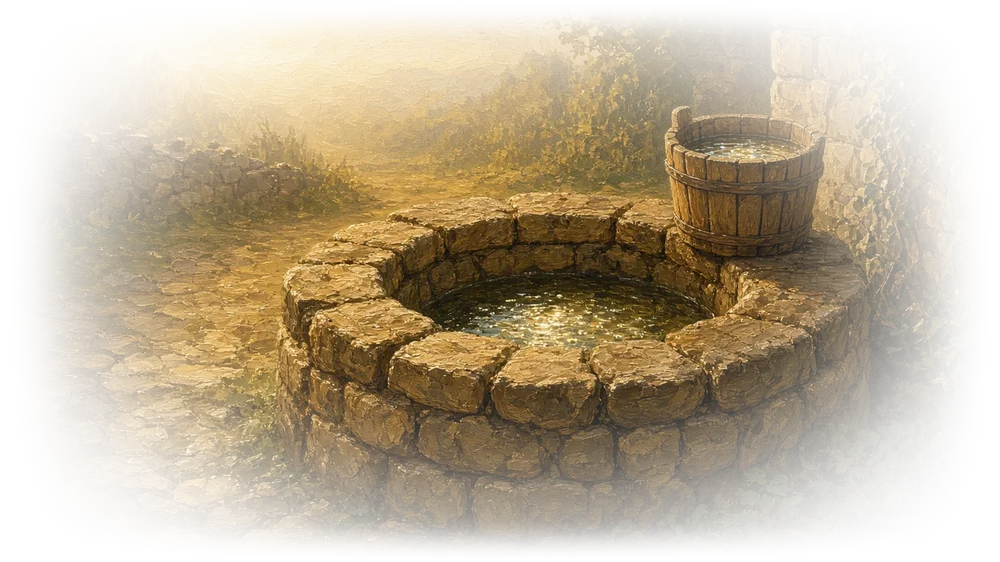
The well. Likkutei Torah (Chukas 62c) gives a picture for the soul’s life in the body: a well, whose water rises from under the ground. Because the water passes through the earth, it is filtered and comes out clearer. So the soul is refined precisely through the mitzvos it does with physical things.
יְרִידָה זוֹ צוֹרֶךְ עֲלִיָּיה גְּדוֹלָה הִיאבְּאֵר שֶׁנּוֹבַעַת מִתַּחַת לָאָרֶץ דַּיְיקָא שֶׁעַל יְדֵי שֶׁהַמַּיִם הוֹלְכִים דֶּרֶךְ עֲפַר הָאָרֶץ הֵם מִתְבָּרְרִים וְנַעֲשִׂים צְלוּלִים יוֹתֵר
Shemos 22:30 · Hebrew text via Sefaria · sefaria.org/Exodus.22.30
Every Jew says the same words
Every Jew says this bracha in the same words, from the loftiest soul to the simplest. The Rebbe Maharash asks (Toras Shmuel 5640): how can a soul of Atzilus say “You created it, You formed it”? Because to give life to a physical body it too had to come down through the worlds of creation, formation and action. And how can a soul whose root is lower say “it is pure”? Because even it is still bound to the source of every soul in Atzilus.
The commentary adds a word from Pokeach Ivrim. At night one entrusted the soul to Hashem, saying “Into Your hand I entrust my spirit”, so nothing impure stays stuck to it, and one can say in the morning “the soul is pure”. And Hashem returns the souls cleaned of their soiled garments; therefore, it says, one must be in joy.
“You breathed it into me”: from the innermost
Why does the bracha say נְפַחְתָּהּ, “You blew it into me”, and not “You spoke it” or “You placed it”? The Alter Rebbe answers in the second chapter of Tanya. The Jewish soul, he writes, is truly “a part of G‑d above”, as it is written of Adam, וַיִּפַּח בְּאַפָּיו נִשְׁמַת חַיִּים, “And He blew into his nostrils a soul of life” (Bereishis 2:7), “and as we say in prayer concerning the soul of every individual Jew, ‘You blew [it] into me.’” Then he brings the Zohar:
“He who blows, blows from within him,” that is to say, from his inwardness and his innermost being, “for it is of his inward and innermost vitality that a man emits through blowing with force.”
Speaking costs a person little; blowing hard tires him, because it comes from deep inside. So the word “blew” tells us where the soul comes from: from Hashem’s innermost.
וּכְמוֹ שֶׁכָּתוּב בַּזֹּהַר, מַאן דְּנָפַח מִתּוֹכֵיהּ נָפַח, פֵּירוּשׁ, מִתּוֹכִיּוּתוֹ וּמִפְּנִימִיּוּתוֹ, שֶׁתּוֹכִיּוּת וּפְנִימִיּוּת הַחַיּוּת שֶׁבָּאָדָם מוֹצִיא בִּנְפִיחָתוֹ בְּכֹחַ
Bereishis 2:7 · Hebrew text via Sefaria · sefaria.org/Genesis.2.7
Chabad.org, Online Siddur with Commentary (Siddur Illuminated by Chassidus, Sichos in English): Elokai Neshama · commentary on אַתָּה נְפַחְתָּהּ בִּי, with its notes to Tanya ch. 2 and to the maamarim Yom Tov shel Rosh HaShanah 5666, p. 489 · chabad.org/torah-texts/2349711
Who says “in me”?
Likkutei Torah (Haazinu 74b–c) asks a simple question: when a Jew says “the soul that You gave in me… You guard it within me”, who is speaking? Not the body: the body by itself has no words and no thought. It is the vital, thinking soul, the one that speaks, that says “in me” about the G‑dly soul, the “part of G‑d above”, which is pure and which comes to be clothed within it.
So every morning the part of me that thinks and talks, the part I usually call “me”, looks at the G‑dly soul inside it and says: You are not mine; You were given.
מִי הוּא הָאוֹמֵר בִּי וּבְקִרְבִּי, שֶׁלֹּא שַׁיָּיךְ לוֹמַר זֶה עַל הַגּוּף
Every morning, a small resurrection
Why does a bracha said on waking speak of the Time to Come, “and return it to me le’osid lovo”? Toras Chayim (Va’eira 74d) explains: the return of the soul to the body each morning, after sleep, is like the Resurrection of the Dead in the Time to Come. That is also why, it says, Elokai Neshamah is said specifically after the bracha over washing the hands.
And the closing, הַמַּחֲזִיר נְשָׁמוֹת לִפְגָרִים מֵתִים, “Who returns souls to lifeless bodies”? Likkutei Torah (Emor 31b) explains: when the soul leaves, the body is a corpse, like a stone, as one sees at night in sleep, when the soul withdraws and only a trace of life remains, for “sleep is one-sixtieth of death”. That is why every morning, rising from sleep, we bless “Who returns souls to lifeless bodies”, “for every day the life is renewed and one becomes a new creation”.
And from this, Likkutei Torah continues, learn about the whole world. I cannot see my soul, yet I know it is there, because I see what it does: it gives my body life. So too the whole world is like one great living body, and there must be a life-force that gives it life: G‑dliness is its soul. That is the verse וּמִבְּשָׂרִי אֶחֱזֶה אֱלֽוֹהַּ, “from my flesh I see G‑d” (Iyov 19:26).
בְּכָל יוֹם מִתְחַדֵּשׁ הַחַיּוּת וְנַעֲשֶׂה בְּרִיָּה חֲדָשָׁה
Iyov 19:26 · Hebrew text via Sefaria · sefaria.org/Job.19.26
“I hand it over to You, now”
In chapter 41 of Tanya, the Alter Rebbe asks why Elokai Neshamah was placed at the very start of the morning blessings, before prayer. His answer turns the words “You breathed it into me … and You will one day take it from me” into a decision a Jew makes each morning: אֲנִי מוֹסְרָהּ וּמַחֲזִירָהּ לְךָ, “I hand it over and return it to You.” He writes:
“That is to say: Inasmuch as You have breathed it into me and You will eventually take it from me, I therefore as of now hand it over and return it to You to unite it with Your Oneness, … that is, through binding my thought with Your thought and my speech with Your speech by means of the letters of the Torah and prayer which I utter, and, especially, when one addresses G‑d in the second person, as in the phrase, “Blessed are You,” and the like.”
— Tanya, Likkutei Amarim, ch. 41 (English translation, Lessons in Tanya, on Chabad.org)
Connections of my own
These are my own connections, not the words of the Tanya.
From Modeh Ani to “as long as”. In Modeh Ani I thanked Hashem for returning my soul, in the words מוֹדֶה אֲנִי לְפָנֶֽיךָ. Here the same words return, but with a time span: “as long as the soul is within me, I thank You.” The thanks of the first moment is meant to stretch over the whole day.
Five times “You”. Count the word אַתָּה in the bracha: “You created it, You formed it, You breathed it into me, and You guard it, and You will take it.” Five times I speak to Hashem directly, and only then comes בָּרוּךְ אַתָּה. The Tanya says the handing over happens “especially” when one speaks to Hashem in the second person; the bracha itself trains me in it.
Handing over is not leaving. “I hand it over to You” could sound like leaving the world behind. But the Tanya’s own words say how it is done: through the letters of Torah and prayer, in this body, in this day. Like the water of the well in Likkutei Torah, the soul is not taken out of the earth; it is made clear by passing through it.
Chabad.org, Online Siddur with Commentary (Siddur Illuminated by Chassidus, Sichos in English): Elokai Neshama · Likkutei Torah, Chukas 62c, in the Hebrew notes · chabad.org/torah-texts/2349711
Elokai Neshamah, line by line
| Hebrew | Transliteration | Meaning |
|---|---|---|
| אֱלֹהַי, נְשָׁמָה שֶׁנָּתַֽתָּ בִּי טְהוֹרָה הִיא | Elo-kai, n’shomoh shenosato bi t’horoh hi. | My G‑d, the soul You placed within me is pure. |
| אַתָּה בְרָאתָהּ, אַתָּה יְצַרְתָּהּ, | Ato v’rosoh, Ato y’tzartoh, | You created it, You formed it, |
| אַתָּה נְפַחְתָּהּ בִּי, וְאַתָּה מְשַׁמְּרָהּ בְּקִרְבִּי, | Ato n’fachtoh bi, v’Ato m’shamroh b’kirbi, | You breathed it into me, and You guard it within me, |
| וְאַתָּה עָתִיד לִטְּלָהּ מִמֶּֽנִּי, וּלְהַחֲזִירָהּ בִּי לֶעָתִיד לָבֹא. | v’Ato osid lit’loh mimeni, ul’hachaziroh bi le’osid lovo. | and You will one day take it from me, and return it to me in the Time to Come. |
| כָּל זְמַן שֶׁהַנְּשָׁמָה בְּקִרְבִּי, מוֹדֶה אֲנִי לְפָנֶֽיךָ יְיָ אֱלֹהַי וֵאלֹהֵי אֲבוֹתַי, | Kol z’man shehan’shomoh b’kirbi, modeh ani l’fonecho Ado-noi Elo-kai vEilo-kei avosai, | As long as the soul is within me, I thank You, Hashem, my G‑d and G‑d of my fathers, |
| רִבּוֹן כָּל הַמַּעֲשִׂים, אֲדוֹן כָּל הַנְּשָׁמוֹת. | ribon kol hama’asim, adon kol han’shomos. | Master of all works, Lord of all souls. |
| בָּרוּךְ אַתָּה יְיָ, הַמַּחֲזִיר נְשָׁמוֹת לִפְגָרִים מֵתִים: | Boruch Ato Ado-noi, hamachazir n’shomos lifgorim meisim. | Blessed are You, Hashem, Who returns souls to lifeless bodies. |
Two small things to notice when reading. The siddur prints a comma after אֱלֹהַי: “My G‑d,” is a call, and only then does the sentence begin. And some words carry a small vertical line beside the vowel, the meteg, as in שֶׁנָּתַֽתָּ and מִמֶּֽנִּי: in our siddur it shows that the stress falls on that syllable, she-no-SA-to, mi-ME-ni, not on the last one (§G29).
Line 1: the soul is pure
The first word, אֱלֹהַי, Elo-kai, “my G‑d”, is a Name of Hashem with the ending -ai, “my” (§G18); we read it this way only in prayer. Then come five words that make one short sentence.
אֱלֹהַי, נְשָׁמָה שֶׁנָּתַֽתָּ בִּי טְהוֹרָה הִיא
| נְשָׁמָה | = | ◌ה | + | נְשָׁמָ |
| n’shomoh a soul | feminine | n’shom-, soul |
| שֶׁנָּתַֽתָּ | = | ◌תָּ | + | נָּתַֽ | + | שֶׁ |
| shenosato that You gave | You | gave | that |
| בִּי | = | ◌י | + | בִּ |
| bi in me | me | in |
| טְהוֹרָה | = | ◌ה | + | טְהוֹרָ |
| t’horoh pure | feminine | tohor, pure |
| הִיא | = | הִיא |
| hi she, it | she |
Lines 2 and 3: You created it … You guard it
Four verbs, each ending in ־ָהּ, “it”: the soul is the object of everything Hashem does here. The word אַתָּה, “You”, is from Lesson 1 (§G4).
אַתָּה בְרָאתָהּ, אַתָּה יְצַרְתָּהּ,אַתָּה נְפַחְתָּהּ בִּי, וְאַתָּה מְשַׁמְּרָהּ בְּקִרְבִּי,
| בְרָאתָהּ | = | ◌הּ | + | ◌תָ | + | בְרָא |
| v’rosoh You created it | it (her) | You | created |
| יְצַרְתָּהּ | = | ◌הּ | + | ◌תָּ | + | יְצַרְ |
| y’tzartoh You formed it | it (her) | You | formed |
| נְפַחְתָּהּ | = | ◌הּ | + | ◌תָּ | + | נְפַחְ |
| n’fachtoh You breathed it | it (her) | You | blew |
| מְשַׁמְּרָהּ | = | ◌הּ | + | שַׁמְּרָ | + | מְ |
| m’shamroh guards it | it (her) | guard: doubled middle | pi’el present |
| בְּקִרְבִּי | = | ◌י | + | קִרְבִּ | + | בְּ |
| b’kirbi within me | my | kerev, inside | in |
Line 4: You will take it, and return it
A line about the future: עָתִיד with two infinitives, both carrying the ending “it”.
וְאַתָּה עָתִיד לִטְּלָהּ מִמֶּֽנִּי, וּלְהַחֲזִירָהּ בִּי לֶעָתִיד לָבֹא.
| עָתִיד | = | עָתִיד |
| osid destined, will | ready, destined |
| לִטְּלָהּ | = | ◌הּ | + | טְּלָ | + | לִ |
| lit’loh to take it | it (her) | take | to |
| מִמֶּֽנִּי | = | ◌נִּי | + | מִמֶּֽ |
| mimeni from me | me | from |
| וּלְהַחֲזִירָהּ | = | ◌הּ | + | הַחֲזִירָ | + | לְ | + | וּ |
| ul’hachaziroh and to return it | it (her) | hif’il infinitive | to | and |
| לֶעָתִיד | = | עָתִיד | + | לֶ |
| le’osid in the future | future | to the |
| לָבֹא | = | בֹא | + | לָ |
| lovo to come | come | to |
Lines 5 and 6: as long as the soul is within me
The words מוֹדֶה אֲנִי לְפָנֶֽיךָ are those of Modeh Ani (Lesson 1), and וֵאלֹהֵי, “and the G‑d of”, is a Name of Hashem in a chain (§G10). We split the new words.
כָּל זְמַן שֶׁהַנְּשָׁמָה בְּקִרְבִּי, מוֹדֶה אֲנִי לְפָנֶֽיךָ יְיָ אֱלֹהַי וֵאלֹהֵי אֲבוֹתַי,רִבּוֹן כָּל הַמַּעֲשִׂים, אֲדוֹן כָּל הַנְּשָׁמוֹת.
| זְמַן | = | זְמַן |
| z’man time | time |
| שֶׁהַנְּשָׁמָה | = | ◌ה | + | נְּשָׁמָ | + | הַ | + | שֶׁ |
| shehan’shomoh that the soul | feminine | soul | the | that |
| אֲבוֹתַי | = | ◌י | + | אֲבוֹתַ |
| avosai my fathers | my | fathers |
| רִבּוֹן | = | רִבּוֹן |
| ribon Master (of) | master |
| הַמַּעֲשִׂים | = | ◌ים | + | מַּעֲשִׂ | + | הַ |
| hama’asim the works | plural | ma’aseh, deed | the |
| אֲדוֹן | = | אֲדוֹן |
| adon Lord (of) | lord, master |
| הַנְּשָׁמוֹת | = | ◌וֹת | + | נְּשָׁמ | + | הַ |
| han’shomos the souls | plural | soul | the |
Line 7: the closing
The only Boruch of the bracha. נְשָׁמוֹת is the plural we just met, without the article.
בָּרוּךְ אַתָּה יְיָ, הַמַּחֲזִיר נְשָׁמוֹת לִפְגָרִים מֵתִים:
| הַמַּחֲזִיר | = | מַּחֲזִיר | + | הַ |
| hamachazir Who returns | hif’il present | the One Who |
| לִפְגָרִים | = | ◌ים | + | פְגָרִ | + | לִ |
| lifgorim to bodies | plural | peger, lifeless body | to |
| מֵתִים | = | ◌ים | + | מֵתִ |
| meisim dead, lifeless | plural | dead |
- Lesson 1 §G2 · Hidden root letters: yud, vav and hei can change shape or drop; a dagesh can mark a merged letter
- Lesson 1 §G3 · One-letter prefixes: ve- and, be- in/with, le- to, mi- from, she- that: written joined to the next word
- Lesson 1 §G4 · Pronouns: standalone and attached: ani I, Ato You; endings -i my/me, -cho/-echo your, -einu our, -o/-ov his
- Lesson 1 §G5 · Nouns: masculine, feminine, plural: feminine -oh, which becomes -as/-os before an ending; plurals -im and -os; vowels shorten as the word grows
- Lesson 1 §G6 · Adjectives, and sentences without “is”: the adjective follows its noun and agrees with it; put first, it makes a sentence with no word for “is”
- Lesson 1 §G7 · Verb patterns (binyanim) and the hif’il: a root becomes a verb through a pattern; the hif’il means “cause to” and is marked by he- (past) or ma-/mo- (present)
- Lesson 1 §G8 · Present and past: who is speaking: the present (participle) changes for gender and number; the past adds person endings such as -ti I, -to you, -nu we
- Lesson 2 §G9 · The article: “the”: ha- plus a dagesh in the next letter; ho- before alef, ayin, reish; hidden inside be-, le-, ke-
- Lesson 2 §G10 · The construct chain: “X of Y”: two nouns side by side mean “X of Y”; the article goes on the second; feminine -oh becomes -as
- Lesson 2 §G11 · The pi’el: a doubled middle letter: the pi’el doubles the middle root letter with a dagesh; past ki-, present me-
- Lesson 3 §G16 · The hif’il present: ma- … -i-: the hif’il present has ma- (mei-) in front and a yud before the last root letter: matir, malbish, hameichin, hama’avir; it means “causes to …”
- Lesson 3 §G17 · Words that work as nouns: “the blind”, “the One Who”: an adjective or participle can stand alone as a noun; with ha- in front, a participle means “the One Who …”
- Lesson 3 §G18 · “Me” and “my”: -ni and -i: on a verb, -ni means “me” (osani, “made me”); on a noun, -i means “my” (tzorki); on a plural or dual noun, -ai (einai, einoi at a pause)
- Lesson 3 §G19 · Two small signs: the furtive patach and the soft letter: a patach under a final ח or ע is read before the letter (koach); בּ כּ פּ lose their dagesh after a vowel (vinoh, gover)
- Lesson 4 §G23 · The infinitive: “to do”: the infinitive names the action itself and usually takes le-: la’asos to do, la’amod to stand, l’havchin to distinguish, l’hiskayeim to survive

In Lesson 2 an ending on a verb meant “us” (§G12), and in Lesson 3 “me” (§G18). Elokai Neshamah is built on a third ending, said six times in four lines: ־ָהּ, “her”. Because נְשָׁמָה, “soul”, is feminine (§G5), Hebrew says “You created her”; in English we say “it”.
The dot in the hei. At the end of a word, a hei is usually silent: it only carries the vowel before it, as in נְשָׁמָה. When a dot stands inside a final hei, הּ, it is called a mappik, “that brings out”: the hei becomes a real consonant and is breathed at the end, -oh(h). That small dot is the whole difference between the noun נְשָׁמָה, “a soul”, and the ending ־ָהּ, “her”. Read it carefully: the dot is not a dagesh, and it never changes the vowel.
Two endings on one verb. In בְּרָאתָהּ the past “You” ending (§G8) and the ending “her” sit one after the other: בָּרָא, “He created”, בָּרָאתָ, “You created”, בְּרָאתָהּ, “You created her”. The root vowels shorten as the word grows (§G5); in the siddur the ב is soft, בְרָאתָהּ, after the vowel of אַתָּה (§G19). In the same way: יְצַרְתָּהּ “You formed her”, נְפַחְתָּהּ “You breathed her”.
Not only on verbs. The same ending comes on a participle, מְשַׁמְּרָהּ, “guards her” (§G11), and on infinitives, לִטְּלָהּ, “to take her”, וּלְהַחֲזִירָהּ, “and to return her” (§G27). The Alter Rebbe, explaining our bracha in Tanya (ch. 41), adds three more: אֲנִי מוֹסְרָהּ וּמַחֲזִירָהּ לְךָ לְיַיחֲדָהּ, “I hand it over and return it to You, to unite it”, the soul.
Compare “him”. For a masculine object the ending is -o or, after the “I” of the past, -iv: Hashem says of “everyone who is called by My Name”: בְּרָאתִיו יְצַרְתִּיו אַף עֲשִׂיתִיו, “I created him, I formed him, I even made him” (Yeshayahu 43:7).
| בְרָאתָהּ | v’rosoh | You created it (her) | past “You” + “her” |
| מְשַׁמְּרָהּ | m’shamroh | guards it (her) | pi’el participle + “her” |
| לִטְּלָהּ | lit’loh | to take it (her) | infinitive + “her” |
| מוֹסְרָהּ | mosroh | hand it (her) over | Tanya ch. 41 |
| בְּרָאתִיו | b’rosiv | I created him | “him”: -iv · Yeshayahu 43:7 |
Hebrew has a future tense (§G20), but our bracha speaks of the future in another way: וְאַתָּה עָתִיד לִטְּלָהּ, “and You are destined to take it”. עָתִיד (osid) means “ready, prepared, destined”; followed by an infinitive (§G23), it says that something is sure to come.
The same pair closes the line: לֶעָתִיד לָבֹא, “in the Time to Come”, literally “for the future that is to come”. Here עָתִיד is a noun, “the future”, with the prefix לְ (§G3); our siddur prints it with a segol, לֶעָתִיד (le’osid). And לָבֹא, “to come”, is the infinitive of ב־ו־א, whose middle vav has dropped (§G2).
An infinitive with an ending. Like a verb, an infinitive can take an object ending (§G26):
- לִטְּלָהּ (lit’loh), “to take it”. The root is נ־ט־ל, the root of נְטִילַת יָדָֽיִם in Lesson 2. Its first letter, the nun, has merged into the ט, and the dagesh in the ט is its trace (§G2). In the Gemara (Berachos 60b) the word is spelled with a yud, לִיטְּלָהּ; our siddur prints it without.
- וּלְהַחֲזִירָהּ (ul’hachaziroh), “and to return it”, a hif’il infinitive with הַ and the yud before the last root letter (§G16, §G23). The root ח־ז־ר is the one of Modeh Ani, שֶׁהֶחֱזַֽרְתָּ בִּי נִשְׁמָתִי, “for You have returned my soul within me” (Lesson 1), and of the closing, הַמַּחֲזִיר.
So one short line holds the whole life of the soul: עָתִיד, it will surely be taken; עָתִיד, it will surely be returned.
| עָתִיד לִטְּלָהּ | osid lit’loh | will (surely) take it | עָתִיד + infinitive |
| לֶעָתִיד לָבֹא | le’osid lovo | in the Time to Come | noun + infinitive |
| וּלְהַחֲזִירָהּ | ul’hachaziroh | and to return it | hif’il infinitive + “her” |
| לִיטְּלָהּ | lit’loh | to take it | the Gemara’s spelling · Berachos 60b |
In Elokai Neshamah, Hashem is רִבּוֹן כָּל הַמַּעֲשִׂים, “Master of all works”. The noun מַעֲשֶׂה, plural מַעֲשִׂים, “deed, work, creature”, is the root ע־שׂ־ה, “do, make”, with a מ in front.
Do not confuse this מ with the participle of §G11 and §G16, which is a verb (מְשַׁמֵּר, “guards”; מַחֲזִיר, “returns”). Here the מ makes a noun, a thing: what is done, what is commanded, where one steps. You already know several:
- מִצְוָה, “commandment”, from צ־ו־ה, “command”: בְּמִצְוֹתָיו, “with His commandments” (Lesson 2). Its final hei has become a vav (§G2).
- מִצְעָד, “step”, from צ־ע־ד, “walk”: הַמֵּכִין מִצְעֲדֵי גָֽבֶר, “Who prepares the steps of man” (Lesson 3), in the construct (§G10).
- מַעֲשֶׂה, “deed”: וּבְמַעֲשִׂים טוֹבִים, “and to good deeds”, in Vihi Ratzon (Lesson 3), and here הַמַּעֲשִׂים.
- מַחֲשָׁבָה, “thought”, from ח־שׁ־ב, “think”: in Tanya ch. 41 the Alter Rebbe speaks of binding מַחֲשַׁבְתִּי בְּמַחֲשַׁבְתְּךָ, “my thought with Your thought”.
When you meet a word that starts with מ and is not a verb, take the מ away and look for the root that remains.
| הַמַּעֲשִׂים | hama’asim | the works, the creatures | ע־שׂ־ה · Elokai Neshamah |
| בְּמִצְוֹתָיו | b’mitzvosov | with His commandments | צ־ו־ה · Lesson 2 |
| מִצְעֲדֵי | mitz’adei | the steps of | צ־ע־ד · Lesson 3 |
| מַחֲשַׁבְתִּי | machashavti | my thought | ח־שׁ־ב · Tanya ch. 41 |
In Lesson 1 we met the prefix מִ, “from”, a short form of the word מִן (§G3). With the personal endings of §G4, מִן takes a longer form, מִמֶּ־, and the ending follows with a dagesh: מִמֶּֽנִּי, “from me”, in our line וְאַתָּה עָתִיד לִטְּלָהּ מִמֶּֽנִּי, “You will take it from me”.
The common forms are:
- מִמֶּנִּי (mimeni), “from me”;
- מִמְּךָ (mim’cho), “from you”;
- מִמֶּנּוּ (mimenu), “from him”, and also “from us”;
- מֵהֶם (meihem), “from them”, “of them”, which we met in Asher Yatzar (Lesson 4).
With a word instead of an ending, מִן stays a prefix: מִלְּפָנֶֽיךָ, “from before You”, at the start of Vihi Ratzon (Lesson 3). The Alter Rebbe uses the same word when he explains our bracha: וְאַתָּה עָתִיד לִיטְּלָהּ מִמֶּנִּי, “and You will take it from me” (Tanya ch. 41).
In reading, notice the meteg in our siddur, מִמֶּֽנִּי: it marks the stress on -me-, mi-ME-ni.
| מִמֶּֽנִּי | mimeni | from me | Elokai Neshamah |
| מֵהֶם | meihem | from them, of them | Lesson 4 |
| מִלְּפָנֶֽיךָ | mil’fonecho | from before You | Lesson 3 |
Small words of Elokai Neshamah
| Word | Transliteration | Meaning | Root | Grammar |
|---|---|---|---|---|
| כָּל | kol | all, every | — | Kamatz katan: kol. Before a noun in a chain: כָּל הַמַּעֲשִׂים, “all the works” (§G10). |
| כָּל זְמַן שֶׁ… | kol z’man she- | as long as | — | Literally “all the time that” (§G3). |
| הִיא / הוּא | hi / hu | she / he | — | Standalone pronouns (§G4); also “it” for a feminine or masculine noun. |
| מִן | min | from | — | Usually the prefix מִ (§G3); with endings, מִמֶּֽנִּי, “from me” (§G29). |
| אָב / אָבוֹת | ov / ovos | father / fathers | — | Masculine, with a plural in ־וֹת (§G5); אֲבוֹתַי, “my fathers” (§G18). |
| מֵת / מֵתִים | meis / meisim | dead | מ־ו־ת | Adjective; the vav of the root is hidden (§G2). |
| נְשָׁמָה n’shomoh · soul Modeh Ani: נִשְׁמָתִי, “my soul” | אַתָּה Ato · You in every בָּרוּךְ אַתָּה |
| לֶעָתִיד לָבֹא le’osid lovo · the Time to Come root ע־ת־ד and ב־ו־א | מַעֲשִׂים ma’asim · deeds, works root ע־שׂ־ה; וּבְמַעֲשִׂים טוֹבִים (Lesson 3) |
| אֲבוֹתַי avosai · my fathers וֵאלֹהֵי אֲבוֹתַי | מַחֲזִיר machazir · returns root ח־ז־ר; שֶׁהֶחֱזַֽרְתָּ in Modeh Ani |
- Where in the Gemara does Elokai Neshamah come from? What comes just before it, and what just after?
- Name the differences between the Gemara’s wording and our siddur. Why do the words “You created it” matter so much?
- Why does Elokai Neshamah not open with Boruch? Why is it good to say it right after Asher Yatzar?
- What do “given” and “pure” teach about the soul, according to the commentary? What does the Aramaic word for noon add?
- Match the four steps of the bracha to the four worlds. Which words hint at the fifth level, and why does it stay above?
- Why does the soul come down at all? Explain “from pure to holy” and the picture of the well.
- Why does the bracha say “You breathed it into me”? Use Tanya, chapter 2.
- In Tanya, chapter 41, what decision does a Jew make each morning with these words, and how is it carried out in practice?
- Split בְרָאתָהּ and מְשַׁמְּרָהּ into their parts. What does each ending mean, and why is it ־הּ and not ־וֹ? → see §G26, Lesson 1 §G8, Lesson 2 §G11
- In line 4, find עָתִיד and the two infinitives that depend on it. Which root letter hides in the dagesh of לִטְּלָהּ? And what is the root of וּלְהַחֲזִירָהּ? → see §G27, Lesson 1 §G2
- What kind of מ begins הַמַּעֲשִׂים, and how is it different from the מ of הַמַּחֲזִיר? And how is מִמֶּֽנִּי built? → see §G28, Lesson 3 §G16, §G29
The lesson PDFs are for signed-in users.