In her own words · four recordings
From Hong to Esther Tiferes: her story, in order
Esther has told her story many times: in Los Angeles, in a community interview in 2020, in a long lecture in 2022 and on a podcast in 2025. Each telling adds something. This page puts them together in the order her life happened, with a few of her own words from each.
Early years in Wuhan
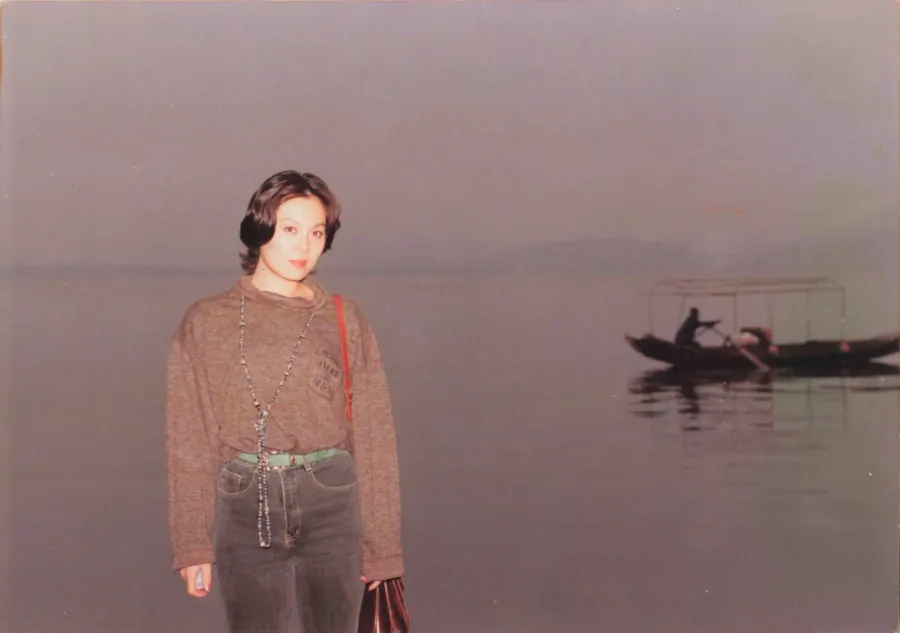
She grew up in Wuhan in a family of performers and Chinese medicine practitioners. Her father gave her the name 弘 (Hong), a rare name usually given to a boy. Only much later did she learn that it means the same as Tiferes, the Hebrew name she would one day choose.
Words came early. She published her first poems in a newspaper as a child and was the top student of her district when she finished elementary school. She entered nursing school at fifteen and graduated at nineteen, then ran the radio station of a medical university in Wuhan.
A voice on television
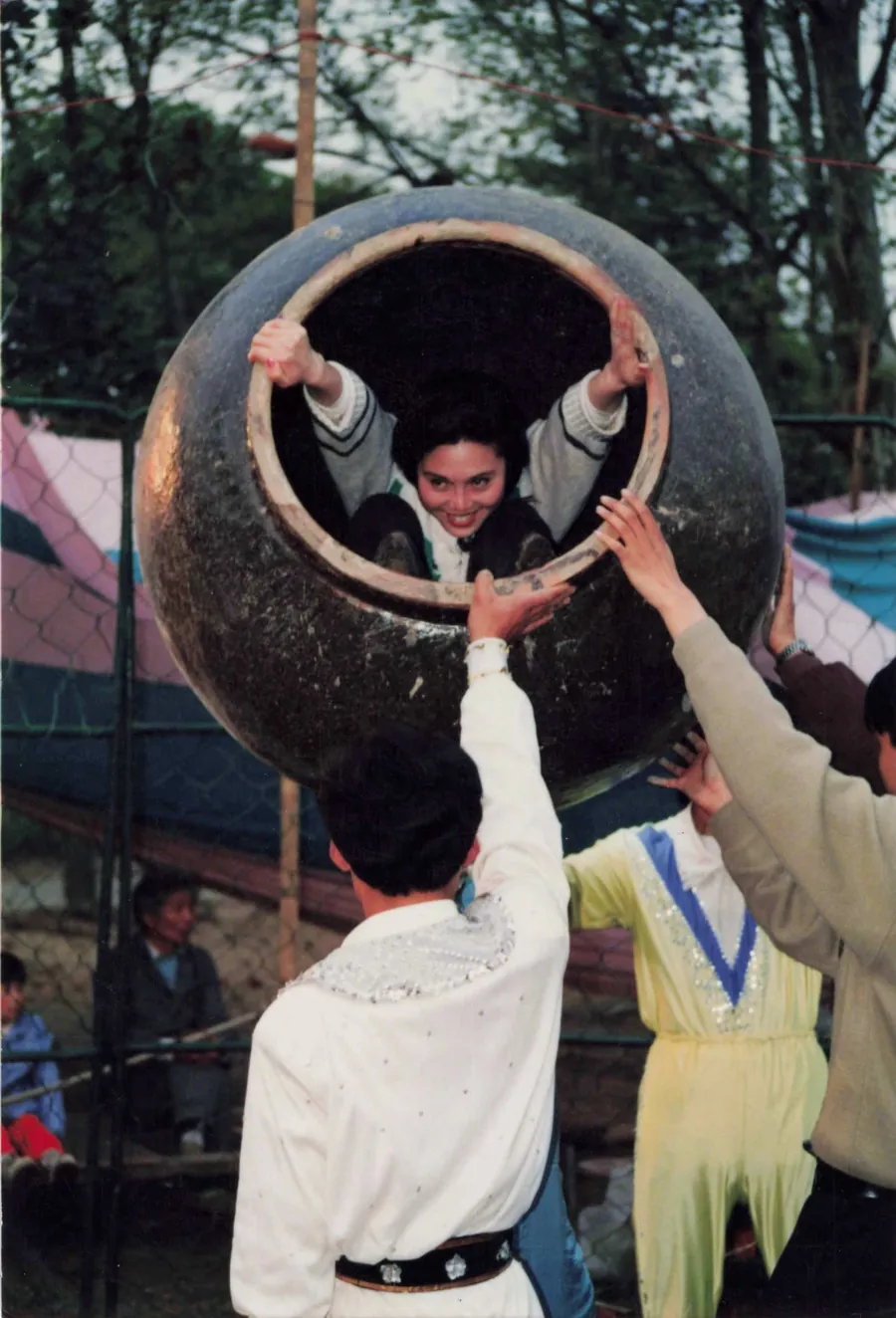
While working at the university, she entered a live contest for television hosts. It was “voted by the audience,” she says, and she won first prize. Part-time hosting became a full-time career: daily news, investigative reporting, shows she created, and finally production for three departments of her station.
“I put people in jail through my show,” she remembers of her investigative work. She was recognized on the street, and yet: “However, I felt lonely.” In her late twenties she turned to Buddhism, “because I was looking for God.”
America, 2000
In March 2000 she came to the United States to represent Chinese journalism at an international conference on freedom of the press at Duke University. She landed, as she recalls it, on Ta’anis Esther, the Fast of Esther. The plan was a short stay. But her visa allowed only a related program, so a study of freedom of the press became a study of freedom of religion.
Questions that led to Torah
Through a friend she met a minister, a respected scholar, who urged her to adopt his faith and offered generous support. She turned it down: religion, she said, “is a serious matter and should not be taken lightly.” She kept asking questions. Her reasoning led her to the oldest teaching, the one the others build on, and to the people who keep it: the Jewish people.
Once, asked for “one absolute proof that God exists,” she argued it through out loud and found that “the logical thinking, I convinced myself more.”
Becoming Jewish
Before she ever met a rabbi, she tested herself: she gave up foods she loved and kept her own Shabbos, alone. At a Shabbos service she found herself crying and could not stop. With her reporter’s tape recorder she found her way to a rabbi, and then to the rabbi who led Orthodox conversion in Queens.
The months of study were hard. She lost her job twice because she would not work on Shabbos, and learned Hebrew in about three months. When she was asked to choose a name of one of the Matriarchs, she declined: “those names are too heavy for me.” She chose Esther, and kept Tiferes.
She completed her conversion on Yud-Tes Kislev, the day she counts as her Jewish birthday. Her rabbi had picked the date without knowing it was the Chassidic New Year. The very next Shabbos, a job found her: a religious woman with a jewelry business was looking for an Asian Jewish woman to work as a jeweler.
Marriage and a Jewish home
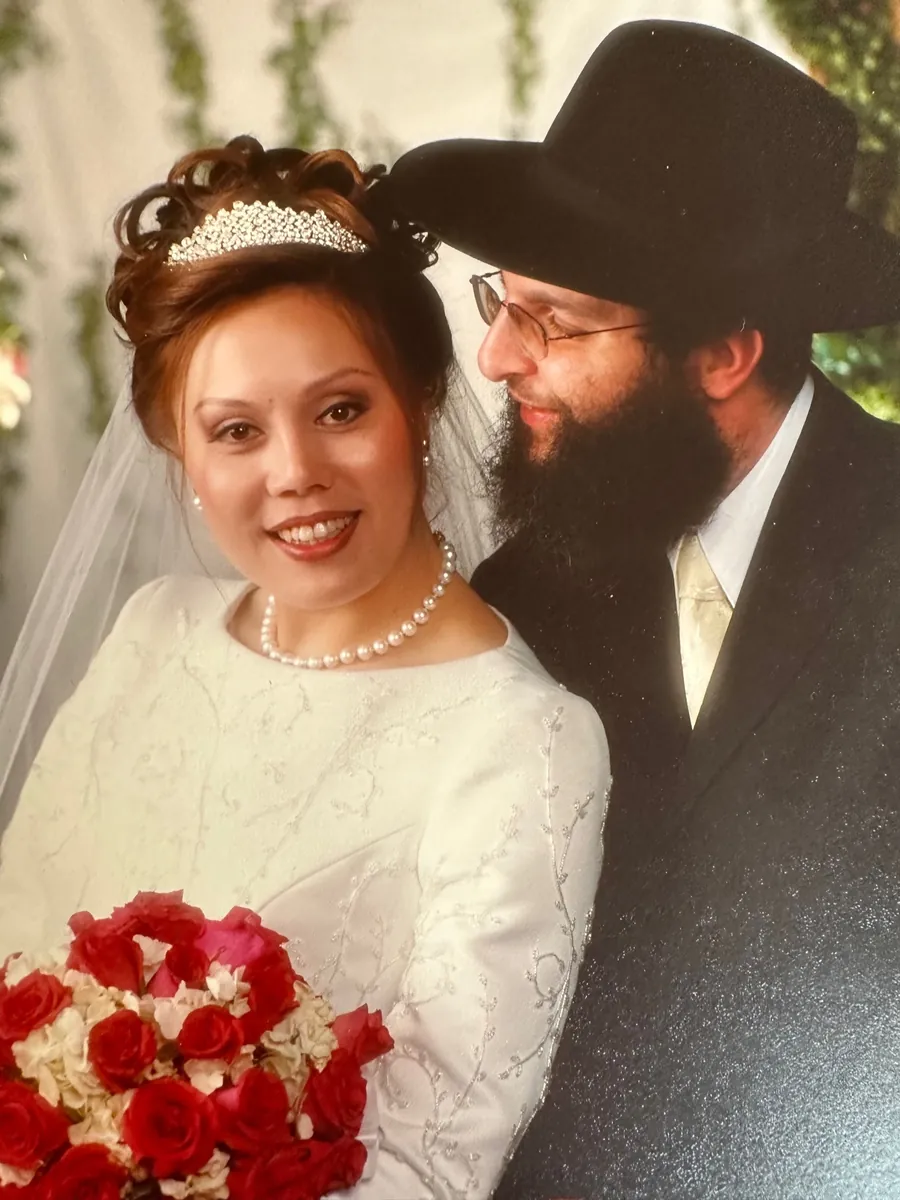
She and Haim met on Frumster, a dating site for observant Jews. Her profile photo, she laughs, was so blurry that it could have shown almost anyone. They married about three months later and built a home of Torah and mitzvos.
Healing, as her father taught her
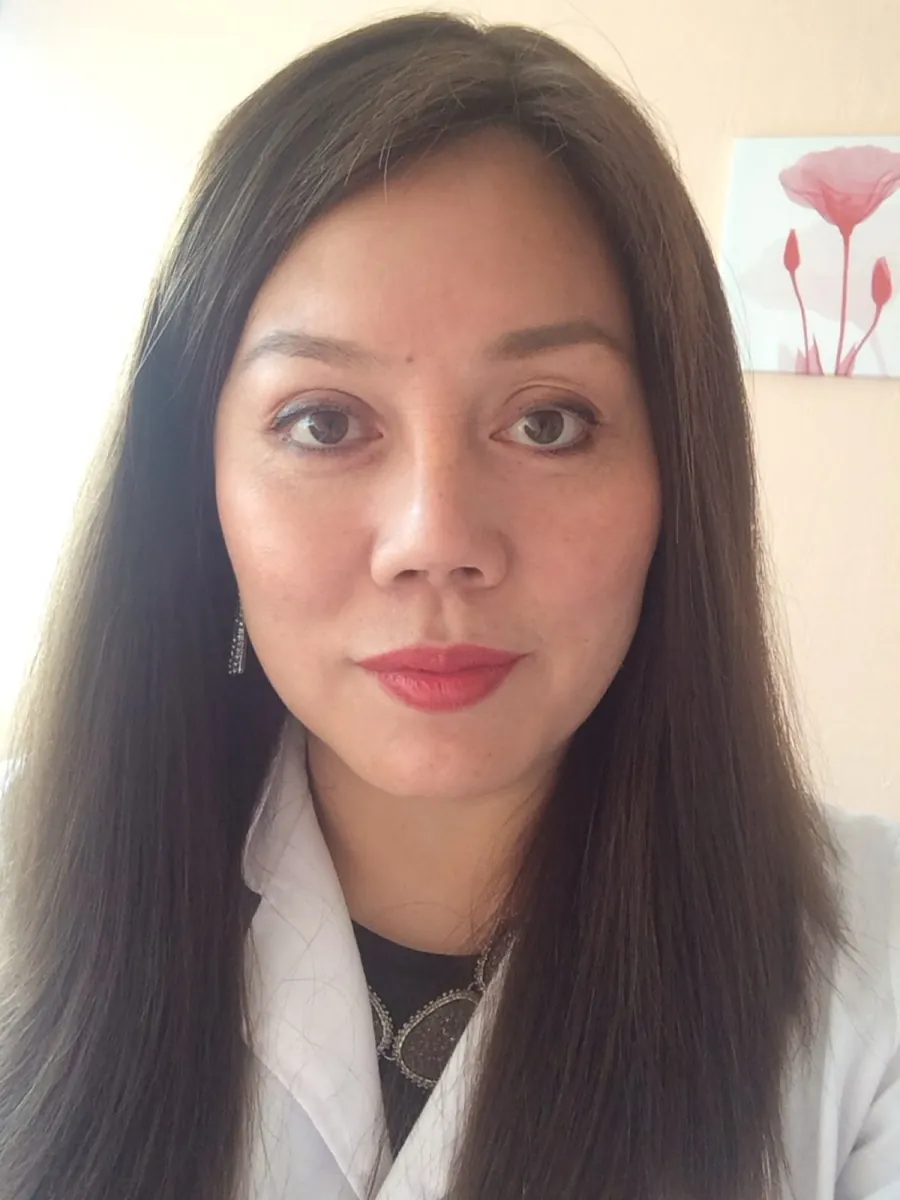
Her father, a Chinese medicine practitioner for more than fifty years, first taught her. In America she studied Chinese medicine and acupuncture formally; from the day she enrolled to the day she sat for her board exam was, she notes, “exactly 13 years.” She practiced in Palo Alto for many years and was top-rated there. Since the family moved to Las Vegas, she practices there, again top-rated. Patients often tell her that, through Chinese medicine, they received their best Jewish education.
2020: Wuhan, and a discovery
In January 2020 a family visit to Wuhan turned into the lockdown. “I felt we might die there,” she later said. She and one of her children were evacuated on a flight out of Wuhan and spent fourteen days in federal quarantine.
That same year brought a discovery: Esther learned of Jewish roots in her family.
Four tellings
Each recording tells the same life from a different moment:
- Los Angeles talk: told soon after her conversion and marriage, as a search for the truth.
- 2020 interview: just back from Wuhan, she adds her family, her childhood and her years on television.
- 2022 lecture: the most detailed telling, step by step through conversion, marriage, Chinese medicine and 2020.
- 2025 conversation: a story of signs: her name, Ta’anis Esther, and the number thirteen.
Drawn from recordings of Esther’s talks and interviews. Quotes are her spoken words, lightly trimmed. Titles of outside recordings are as their publishers listed them.